傲慢与偏见万字长文解读:达西的回避型依恋人格

有一个场景,你大概不陌生。你爱上了一个人。你靠近,他后退。你发去一条消息,沉默像裂口一样张开——几个小时,有时几天。你终于攒足勇气,打下那四个字:我想你了。 而那边的回复,如果有的话,只有一个音节:嗯。 你们刚刚共度了一个完美的夜晚——那种肌肤相亲、尚有余温的夜晚。四十八小时后,他蒸发了。没有电话,没有解释。只剩一片空白。
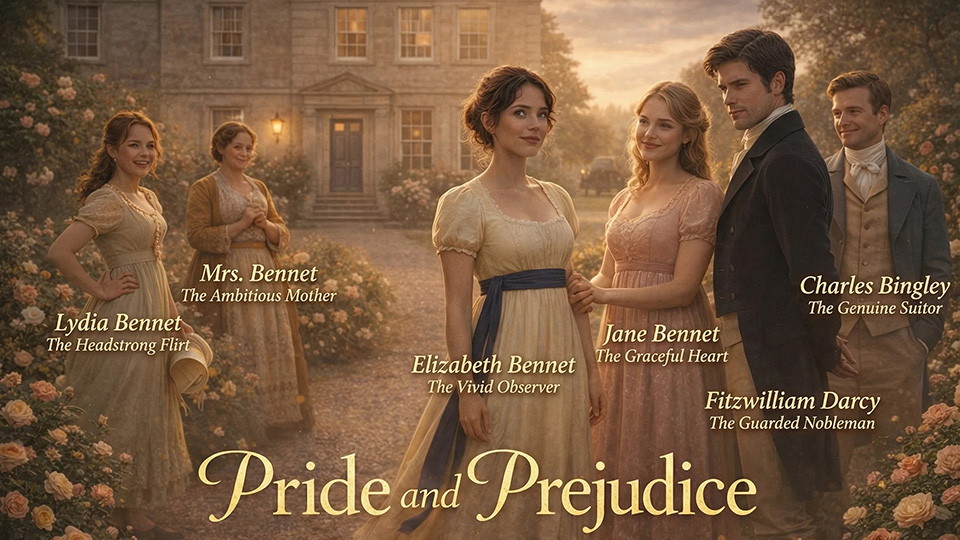
傲慢与偏见深度解读

然后你做了任何人都会做的事。你把刀锋转向自己。我做错了什么?我到底哪里不好?为什么我就是不够?

但如果——你从一开始就问错了问题呢?如果那个逃走的人,其实比留下的人更深地爱着你呢?

这不是一出现代约会悲剧。或者说,它确实是。但它的底稿,早在两百年前,就已经在汉普郡一间小屋里,由一个终身未婚的女人画好了。

简·奥斯汀。达西先生。《傲慢与偏见》。

两个世纪以来,我们对达西的诊断众口一词:傲慢、自大。一个有钱人,看不起一屋子乡巴佬,连一支舞都懒得施舍。铁案如山。只是——这不是真相。

如果你把达西做过的每一件事——不是他了什么,而是他了什么——拿出来,像呈堂证供一样摆在陪审团面前,一幅完全不同的画像就会浮现出来。他的骄傲,不是他的性格,是他的盔甲。而盔甲,不是心里踏实的人会穿的东西。盔甲,是怕到了极点的人才穿的。

所以达西在怕什么?而伊丽莎白·班纳特——不曾追他,不曾求他,不曾花过一秒钟来证明自己的价值——又是怎样,把那副盔甲一片一片卸下来的?

更要命的是:今晚让你辗转难眠的那段关系,跟1811年写下的一本小说,有没有关系?

这不是一份读书报告,也不是披着文学外衣的恋爱攻略。这是一场挖掘——挖的是,为什么有些人一旦动了真感情,第一反应是逃;为什么我们那么多人,耗尽自己去追。

第一章:舞会即战场

故事从一开始就藏在明面上——藏在达西说的第一句话里。

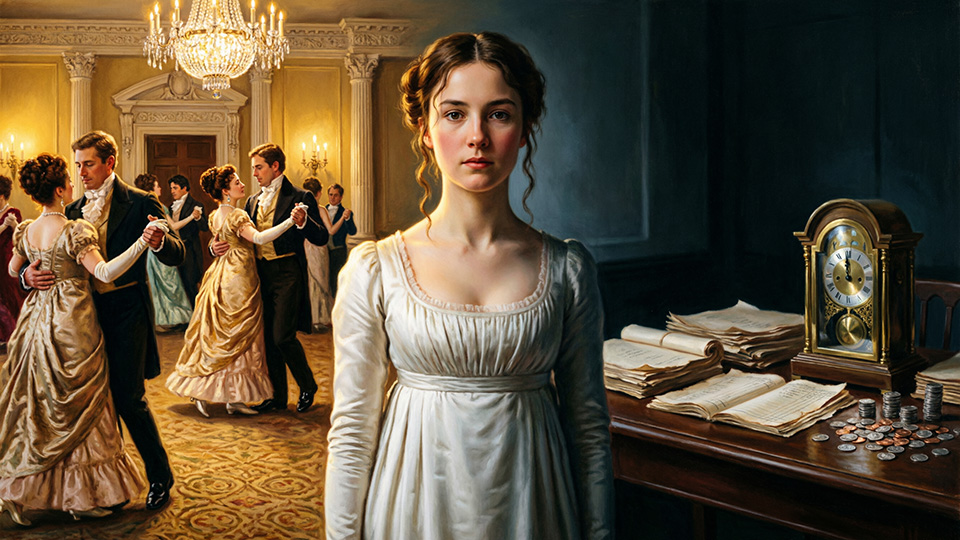
1811年秋。赫特福德郡梅里顿镇的一场乡村舞会。烛光灌满大厅,在地板上淌成一地碎金。提琴声穿过人群,编织着笑声和新浆洗过的细棉布裙摆的窸窣声。穿白裙子的女孩们在舞池里旋转,她们的母亲像哨兵一样沿墙而立,交换着关于尼日斐庄园新租户的情报。情报归结为一句话:一个有钱的单身汉——年收入五千英镑——来了。他叫彬格莱。

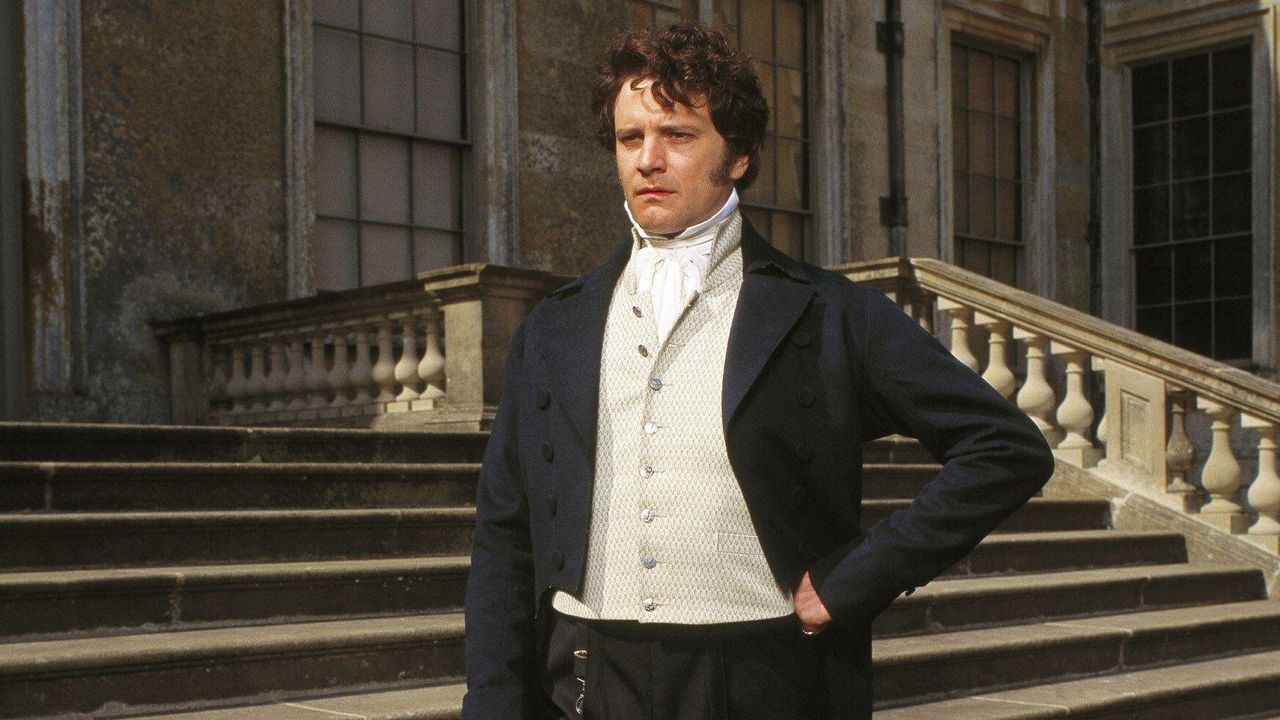
但彬格莱不是一个人来的。他带了一个朋友。更高。更英俊。衣着考究到让屋里其他每一个男人都显得像是半成品。而有一个细节像刀子一样划破了音乐:他的收入是彬格莱的两倍。一万英镑一年。在1811年的英格兰,换算成现代购买力,这差不多是每年百万英镑的量级。这不是富有。这是另一个国度。

他叫费茨威廉·达西。

消息比小提琴传得还快。所有人都在看。但不到一个钟头,所有人都注意到了另一件事——他不看任何人。

整个晚上,达西把自己安顿在大厅角落里——不跳舞,不社交,不微笑。音乐升腾。笑声起伏。裙摆旋转。他站在那里,像一块嵌进墙壁的石头。彬格莱,温暖又坐不住,终于走过来拽他。”来啊,达西,”他劝道,”那位是伊丽莎白·班纳特小姐——她很迷人。去跟她跳一支舞吧。”

达西扫了一眼房间那头,然后说出了英语文学中最著名的一句判词:她还过得去,但还没漂亮到能打动我。然后,仿佛嫌伤口还不够深,他又补了一句:我今晚可没兴致去抬举那些被别的男人冷落的年轻小姐。

伊丽莎白听到了。满堂灯火通明,琴声恰到好处,而全场最有钱的那个男人刚刚用一种漫不经心的精确——像碾死一只虫子——否定了她的美貌。伊丽莎白没有脸红,没有垂下眼睛。她接过他的话,折成一个笑话,像一件她用不着的小玩意儿一样递给了朋友。

他们两个谁也不知道的是:他刚才说的每一个字,都不是真的。

第二章:撒谎的嘴,追看的眼

几天后,卢卡斯家的聚会上,达西又来了。他根本没必要来。他讨厌这种乡下的聚会。但他人还是来了。而伊丽莎白也在——这一次,他的目光收不回来了。

奥斯汀用外科手术般的精确写下了这个过程。她说,达西起初几乎不承认她是漂亮的;在舞会上看她时没有一丝欣赏;他甚至当着朋友的面批评过她的五官。但随后,在把一切不利证据全部铺陈完毕之后,他发现了一件事:她那双黑眼睛里蕴含的非凡聪慧,让他的面容变得异常生动。这个顺序精妙绝伦:先否定,再发现。先砌一堵”不能要她”的理由之墙,然后,一道接一道,那些理由全部坍塌。

彬格莱小姐注意到达西走了神。她问他在想什么。他答:”我在思考一双漂亮眼睛能够给一个人带来多大的愉悦。”彬格莱小姐追问是哪位小姐激起了这样的感想。达西说出了她的名字:”伊丽莎白·班纳特小姐。”

三天前,舞会上:不够漂亮。三天后,聚会上:能赐予愉悦的眼睛。哪一个才是真的?也许两个都是。这就是谜题所在。在达西的内心世界里,这两句话并不矛盾。它们是同一套系统的两张面孔——一张拼命推开,一张拼命靠近。嘴在推,心在拉。他不是在撒谎。他在打仗。跟自己。

第三章:回避的建筑学

你也许以为这只是小说。但上世纪中叶,英国精神分析师约翰·鲍比奠定了依恋理论的基础。他的美国同行玛丽·安斯沃斯,通过一系列今天已成传奇的实验,绘制出了人类彼此联结的方式——以及他们彼此松绑的方式。达西身上体现的这种模式,这种越是心动越要逃的模式,有一个名字:回避型依恋。这个星球上大约每四个人里,就有一个人携带着这样的内在建筑。

他们不是不会爱。他们只是接线接反了。大多数人心动时向前倾,他们心动时向后仰。大多数人被触动时会说出来,他们会先给自己罗列一百条”对方不值得”的理由。这不是冷血。这是恐惧披上了冷漠的外衣。在他们生命最早的房间里,靠近与被拒绝被熔接在了一起——两条线路短路,迸出同样的疼痛。于是大脑,那台警觉的生存机器,下达了一条指令:不要靠近,就不会被推开。不要承认渴望,就不会因失去而粉碎。这条指令变成了终身监禁。

梅里顿舞会上的达西不是看不起伊丽莎白。他是捕捉到了一丝心动的信号——然后,像受惊的动物一样,本能地启动了防御。贬低对象,消除威胁。她还算过得去——翻译过来就是:她很危险,我需要距离。

作为对照,来看看彬格莱小姐。她像一只飞蛾绕着达西打转,那团火却从不肯给她一点温度。她夸他的字,夸他的品味,夸他的庄园。他越冷淡,她的殷勤越滚烫。奥斯汀从不直接评论彬格莱小姐的恋爱策略,但她把每个细节都像展柜里的证物一样摆在你面前。达西从不回应。彬格莱小姐从不撤退。她的问题不在于不够好。她的问题在于,她的方式恰恰是让达西这种人跑得更快的那种方式。你追,他就逃。你需要,他就窒息。不是因为你做错了什么——而是因为在他的心理语法里,被需要等于被束缚被束缚等于不安全

这是现代爱情中最残忍的困惑:我给了他一切——他为什么消失了?答案不在你的给予里。答案在他的接线里。

第四章:那个推不走的人

而这是那个反直觉的真相:不追,不等于不爱。不追,也许是唯一奏效的方法。

伊丽莎白就是证据。从第一天起,她就没追过他。她不表演,不面试,不把自己策展成一个更讨人喜欢的版本。她觉得他令人厌恶,于是把他的傲慢编成了段子。他在客厅那头盯着她看,她不回看。这不是策略,不是欲擒故纵。这是一个自我价值不需要外部认证的女人,发自内心的毫不在意。

而正是这种毫不在意——这种沉静的、无可撼动的自我拥有——最终击垮了达西的防御系统。他贬低她,她不退缩。他疏远她,她不追逐。他使出的每一种推开策略,都打在空处。

对回避型的人来说,一个推不走的人是地球上最陌生的生物——因而也是最能瓦解他的人。他内心的操作系统只认得两种脚本:要么对方追过来,触发逃跑;要么对方走掉,证明”敞开心扉果然是个错误”。但伊丽莎白两样都没做。她不追,也不走。她只是留在原地——做完整的自己,在场,不慌。系统找不到匹配的程序。于是,达西做了回避型几乎从不做的事:他主动靠近了。

不是因为她最美。不是因为她用了什么手段。而是因为她存在的方式,就这么绕过了他的每一道防线。

第五章:灾难般的求婚

然而,当达西终于靠近时,他做得像一栋正在坍塌的楼。他的求婚——英语文学中最著名的求婚之一——也是最令人窒息的一场告白。他同时说我爱你你配不上我

让我们回到几个月前。伊丽莎白在肯特郡探望朋友夏洛特。达西不断出现在她面前——在牧师家门口,在花园里,在她最爱的那条散步小路上。一次是偶遇,两次是巧合。五次——那就是有人已经把你的路线刻进了脑子里。夏洛特一向目光如炬,她对伊丽莎白说了实话:他一定爱上你了。伊丽莎白笑了。不可能。

然后那个夜晚来了。小说第34章。伊丽莎白一个人待在牧师家客厅里,头疼让她躲过了凯瑟琳夫人的晚宴。门开了。达西进来了。他在屋里踱来踱去,坐下,又站起来。他的焦躁先于他的言辞填满了整个房间。然后他开口了:我徒劳地挣扎了很久。没有用。我的感情再也压制不住了。请允许我告诉你,我是多么热烈地仰慕你、爱你。

如果他在这里停住,这将成为有史以来最动人的告白之一。他没有停。接下来几分钟不是一首爱的咏叹,而是一份缺陷清单。他逐条列举伊丽莎白的不利条件:她的家庭地位低下,她母亲的粗俗不堪,她妹妹们的不成体统,她舅舅住在奇普赛德——在达西的词库里,这是”玷污”的同义词。他说爱她是违背了他的意志、他的理智、他的人格。他花在解释”为什么不该爱你”上的时间,远比他花在说”我爱你”上的时间要多得多。

奥斯汀只用一句话就给了我们进入整场戏的钥匙:他说话的语气不像一个心怀柔情的人,更像一个在与自己的骄傲搏斗的人。再读一遍。这不是一场求婚。这是一个在跟自己打仗的人。他走进那间客厅时,内心已经打了几个月的仗。理智说不可以。身份说不可以。他从小学到的每一种价值观都说不可以。然而他的心还是冲出来了——只是到了最后一刻,旧日的防御又全部复辟。他越恐惧,就越要死死抓住那些关于”障碍”的语言,因为那些障碍是他最后的铠甲。如果他不逐条列出她的”欠缺”,他就不得不在她面前彻底赤裸。而对达西这样的人来说,赤裸与毁灭,别无二致。

第六章:画线的女人

换作1812年的大多数女性,面对这样的”求婚”,大约会有三种反应。有人会感动——你看,他为我克服了多少障碍才开口爱我。有人会哭着愤怒——你怎么能一边求婚一边羞辱我的家人?还有人会咽下自尊,点头答应。一万英镑一年,彭伯利庄园,在那个女性连自己都不拥有的年代,这是一张永恒的通行证。

伊丽莎白·班纳特不是这几种女人中的任何一种。她回应的姿态近乎可怕地冷静。她逐条回击了对他的指控——他对简和彬格莱的干涉,他对韦翰做的事——然后她直抵核心:你用这种违背你意志、违背你理智、甚至违背你人格的方式告诉我你喜欢我,你觉得这能让我接受吗?

然后是致命一击:我认识你还不到一个月,就觉得你是全世界我最不可能嫁的男人。

房间静了下来。达西的脸色变了。他用一种必定付出了全部才维持住的克制说道:我完全理解你的感受。请原谅我耽误了你这么多时间。祝你健康幸福。然后他走了。

门关上以后,伊丽莎白坐下来哭了半个小时。她不是没有被打动。奥斯汀写得清楚,伊丽莎白的心在疼。但她的疼没有征服她的判断。她拒绝用尊严换取安全感,拒绝让爱变成施舍的载体。她不是在闹脾气,她是在画一条线。这条线的意思是:你可以爱我,但你必须用对的方式来爱我。

而改变一切的细节就在这里——她没有说”我不爱你”,她说的是”你的方式错了”。她的攻击不是针对这个男人,而是针对他的方法。你为什么要用违背你意志的方式告诉我你喜欢我?翻译过来是:你本来可以好好说的。你本来可以不穿盔甲来的。这不是一扇摔死的门,这是一扇虚掩的门——一次再试一次、但换一种方式的邀请。达西这辈子从没被人这样对待过。别人要么讨好他,像彬格莱小姐;要么躲开他,像梅里顿的闲话圈子。从来没有人直视他的眼睛,点出他的错误,然后等着他自己去改。

那一夜,他没睡。然后他做了一件他这种男人几乎从不做的事:他写了一封信。

第七章:信,即投降

为什么是信?为什么不是第二天早上回来当面说?因为当面说需要实时读取对方的表情,需要承受厌恶或怜悯的可能性,需要一种没有任何准备能够支撑的赤裸。而文字是安全的。在纸上,他可以组织思路,可以修改,可以把一切说完而不被打断,不用看到他的话在对方脸上掀起的波澜。

信有两页。他解释了韦翰——那笔遗产,那笔勒索,那个企图诱拐他十五岁妹妹私奔的阴谋。他承认了自己对彬格莱和简的拆散。但比内容更重要的是语气。这封信里没有骄傲,没有”低人一等的亲戚”,没有”违背意志”。这是达西第一次脱下盔甲,用文字让另一个人看到真实的自己。他把事实摆在她面前,然后用一句极端脆弱的话作为结尾:如果你对我的厌恶使你觉得我说的这些毫无价值,那就当我没有写过这封信。

他把全部信息交给了她,然后把裁决权完全拱手让出。没有操控,没有纠缠,没有索取。这是堡垒上的第一道裂缝。

伊丽莎白第一遍读信时是愤怒的。第二遍时慢了下来。第三遍。每读一遍,她原本深信不疑的东西就碎掉一块。韦翰——那么迷人,那么会倾诉,那么天衣无缝地扮演一个受伤的人。她现在想起来,他们初次见面不到几分钟,他就向萍水相逢的她倾吐了达西如何亏待他的全部故事。这是真实的创伤应有的行为吗?还是表演?而达西——那个她恨了这么久的男人——从来没有公开为自己辩解过一次。没有。哪怕全镇都信了韦翰的谎话,哪怕她当面把那些谎话掷到他脸上,他也一个字没有反驳。他等,他写,他托付。

然后来了那一句——对我来说,这才是整部小说安静的高潮。第36章里伊丽莎白内心的自白:我的行为是多么可鄙!直到这一刻,我才认识了自己。没有嚎啕,没有戏剧性的道歉场面,没有冲出去乞求达西原谅。只是一个女人独自站在乡间小路上,忽然意识到自己以为最清楚的那面镜子,其实是最大的扭曲。她替自己的偏见命了名。而在那一刻,他的傲慢开始了它漫长的瓦解。

第八章:四种爱,四种输法

在继续追踪达西之前,让我们把镜头拉宽。《傲慢与偏见》并不只提供一种爱情模式。它提供了四种——而它们的结局判若云泥。

有柯林斯先生。他来到浪博恩不是为了找一个妻子,而是为了挑一个——像从肉贩柜台上挑一块肉。他向伊丽莎白求婚时,先列举了三条结婚理由,条条都与”我喜欢你”无关。她拒绝,他听不见。他只听得见一个剧本——年轻小姐第一次被求婚时照例是要拒绝的。他的世界没有容纳”不”字的槽位。被伊丽莎白拒绝以后,他花了三天就向她最好的朋友夏洛特求婚。三天。不是因为他的感情转移了——而是因为他的心自始至终没有参与过这件事。他需要的是一个”妻子的形状”,任何一个都行。

夏洛特说”好”。二十七岁,在摄政时代婚姻市场的残酷算法里,她已经是老姑娘。没有美貌,没有嫁妆,没有任何前景,只有依附兄弟带来的缓慢损耗。她结婚不是因为爱,而是为了一种”保全”——奥斯汀自己用的词,也是她用过的最冷的词之一。婚姻是防止赤贫的保险。后来伊丽莎白去看她,发现夏洛特把自己的起居室安置在离丈夫书房尽可能远的地方,并且她对园艺的鼓励不是出于对植物的热爱,而是因为他在花园的时间越长,她独处的时间就越多。奥斯汀用一种摧枯拉朽的平静给出了判词:夏洛特很聪明地选择了聋。这不是幸福,也不完全是悲剧。这是一种生存的建筑学——一份两百多年后仍然支配着我们中太多婚姻的蓝图。

还有韦翰——达西的底片。韦翰披着一身魅力出场:英俊,健谈,那种光是听他倾听就能让你觉得自己闪闪发光的人。但他的魅力是空心的,他表演真诚,他把讨人喜欢武器化。当他带着十六岁的莉迪亚·班纳特私奔时,他毁掉的不只是她——他危及了整个家族。在摄政时代的英格兰,一个失足的女儿会让所有姐妹受到牵连。韦翰不是一个浪荡子。他是一场资产暴雷。而救他的人——秘密地,沉默地,不期待任何感谢地——正是那个他用了好几年时间在全镇败坏其名字的男人。

这把我们带回到达西。

第九章:暗夜中的救援

达西是从伊丽莎白本人那里得知莉迪亚失踪的消息的——从她声音的颤抖里,从她几乎收不住的痛苦里。他什么都没说,就走了。伊丽莎白确定一切都完了。他本来就嫌弃我的家庭,现在我最小的妹妹跟他最大的仇人跑了。他再也不会看我一眼了。

她错了。

达西去了伦敦。他找到了韦翰——在那座城市的迷宫里,这并不是一件容易的事。他替韦翰付清了每一笔赌债,谈判了婚姻协议,安排了婚礼。总而言之,他做了班纳特先生理应去做却什么都没做的一切。然后他从所有知情人那里逼出了一个沉默的许诺。为什么?不是为了谦逊,不是为了谨慎。是因为他无法忍受伊丽莎白感到亏欠他。他不要她的感激。他要她的爱——自由给予的,不是用恩情买来的。

有些人的爱在嘴上。他们说”我爱你”,他们发公开声明,他们在观众面前表演深情。但当真需要付出代价的那一刻来临时——那种需要钱、需要时间、需要牺牲、需要把手弄脏的时刻——他们就蒸发了。

有些人的爱在手上。他们什么都不说,不发出任何信号。他们甚至可能因为恐惧而说出了最伤你的话。但灾难降临,你转身一看,才发现他们已经把所有事情做完了——安安静静地,彻彻底底地,一个目击者都没有。

达西是第二种。他的嘴在撒谎。他的行动在说实话。

第十章:拒绝被管理的女人

大结局之前,还有一个人必须出场:凯瑟琳·德·包尔夫人。她像一团雷云降临浪博恩,勒令伊丽莎白放弃对达西的任何念想。她是结构性权力的化身——阶层,财富,人脉,世袭等级制度无声的暴力。她的话,剥掉摄政时代的礼貌外衣,翻译过来就是:你配不上我外甥,给我看清楚你的位置。

伊丽莎白没有吼,没有发抖。她的回答有一种两百年都没有磨损的清晰:他是绅士,我是绅士的女儿。在这一点上,我们是平等的。当凯瑟琳夫人逼她承诺永不嫁给达西时,她给出了终极拒绝:我决心只按我认为能让自己幸福的方式行事,完全不需征得你的同意,也不需征得任何与我毫无关系的人的同意。你管不了我,我不是你来排布的。

凯瑟琳夫人气冲冲地走了——然后,一个绝妙的讽刺是,她把伊丽莎白的每句话原封不动地转述给了达西,本意是揭露这个姑娘的”放肆”。可达西听到的是完全不同的东西:伊丽莎白拒绝承诺不嫁他。那个曾称他为”全世界我最不可能嫁的男人”的女人,把门留了一道缝。这就够了。他最后一次来到她面前。

而这一次,奥斯汀做了一个大多数读者都未曾察觉的极其精妙的选择。第一次求婚,她逐字逐句交给我们——每一个伤人的词都保存给后世。第二次求婚,她用一句话就带过了:他的表达,正像一个深陷热恋中的男人所能表达的那样,充满感情和真诚。没有记录,没有表演。同一颗心,方式彻底改变。他没有提她的家庭,她的阶层,他的挣扎。他只是简简单单地告诉她,不穿盔甲,不附加条件:我的感情没有变。

伊丽莎白,头一回,无法流利作答。她犹豫了一下,然后告诉他,她的心意跟上次在肯特郡时已经截然相反了。就这些。没有”我爱你”,没有配乐升起。两个最骄傲的人,用了最少的话,完成了英语文学中最隽永的爱情故事。

后来他告诉她,是什么改变了他。是她在那间肯特郡客厅里的话——你为什么要用违背你意志的方式告诉我你喜欢我?他说,这句话折磨了他好几个月。然后他说了一句真正需要勇气才能说出口的话:我这一辈子,在行为上都是一个自私的人,虽然出发点不坏。是你让我学会了真正的谦卑。第一次求婚:我爱你,尽管你配不上我。第二次求婚:我爱你,而我配不上你给我的那个教训。同一个人,同一份感情。中间隔着:一封信,一次拒绝,一场暗中的救援,和无数个独自清算的夜晚。

第十一章:那个写下一切的女人

在结束之前,我们必须说一说那个让整个故事成为可能的女人——因为她的生命是藏在每一页之下的隐文本。

1796年,简·奥斯汀二十岁。在汉普郡的一场圣诞舞会上,她遇见了一个在伦敦学法律的爱尔兰年轻人。他叫汤姆·勒弗罗伊。他们跳舞,他们聊天,他借给她一本小说——《汤姆·琼斯》,一本不太可能出现在牧师家书架上的书。她在给姐姐卡桑德拉的信里写下了一种至今仍在纸页上微微发颤的雀跃:你在信里那样骂我,我几乎不敢告诉你我和我的爱尔兰朋友是怎样表现的。几周后,勒弗罗伊的家人把他送走了。原因残酷而简单:他们两个都没有钱。他有事业要建,她一无所有——她的父亲是乡村牧师,一年两百英镑。在她写给卡桑德拉的最后一封提到勒弗罗伊的信中,她写道:今天是我最后一次跟汤姆·勒弗罗伊调情的日子了。写下这些文字时,泪水在流。现存的所有信件里,她此后再没提过他。

同年,1796年10月,她开始动笔写一本小说,名叫《第一印象》。这本小说后来改名为《傲慢与偏见》。

1802年,二十六岁,她收到了一个富裕年轻人的求婚。他叫哈里斯·比格威瑟,是一千五百英亩庄园的继承人。她答应了。然后,第二天早上,她撤回了。她和卡桑德拉哭着逃出了那栋房子,求兄弟立刻把她们带回家。没有人确切知道那一夜她经历了什么。她的侄女后来称之为”一时的自我欺骗”。比格威瑟笨拙、结巴、举止僵硬。奥斯汀不爱他。但嫁给他,可以让她的母亲和姐姐从此不再仰人鼻息。她选择了不嫁。他后来娶了别人,生了十个孩子。奥斯汀终身未婚。六部小说,终身版税总收入大约六百三十一英镑。《傲慢与偏见》的版权被出版商一次性买断,售价一百一十英镑。

在一封给侄女范妮的信中,她写下了那句回响了两百年的话:宁可承受任何事,也不要在没有感情的情况下结婚。这不是漂亮话。这是一份证词——来自一个知道贫穷是什么滋味的女人,一个清楚自己放弃一千五百英亩意味着什么的女人,一个在餐桌上写小说、一张小桌挤在小屋里、又一次选择了自己的灵魂而非安全的女人。

勒弗罗伊是否在达西的身影里若隐若现?你知道答案是肯定的。一段被家族和金钱截断的爱情,一个太骄傲——或被束缚得太紧——而没能回头的男人。一个女人,把失去锻造成了文学,在这么做的时候,给了世界一份模版:尊严如何比欲望更长久。

第十二章:这个故事要我们做什么

现在你已经看到了整个建筑的结构。达西从她还过得去走到我的感情和愿望一如从前,走了一整年——一年里的信、沉默、隐秘的救援、以及缓慢而痛苦的自我挖掘。伊丽莎白也走了同样长的一年——从偏见,到我从未认识过自己的粉碎性认识,到终于有能力去接受一份已经学会不用武器说话的爱。

如果你的人生里也有一个达西——一个你一靠近他就后退的人,一个嘴上说着不在乎而行动出卖了他的人,一个无论怎么读都读不懂的人——这个两百年前的故事给出了三条指引。

第一:不要去追。你的追逐不会让他安心,只会让他恐惧。就像彬格莱小姐,你给得越多,他能接住的越少。不是你不够好,而是他的线路把”被追”等同于”被困”。你能做的最有力的事,就是留在原地,做你自己。

第二:不要消失。不追,不等于离开。伊丽莎白从来没有主动追过达西。但她也从来没有因为他的冷漠而从他的世界里蒸发。她始终在那里——不表演,不策展,不面试他的好感。而那种恒稳,那种”既不黏腻也不缺席”的定力,才是让他终于感到安全的东西。他不需要你变得更好,他需要知道——你不会在看清他真实面目之后转身就走。

第三:看他的手,别听他的嘴。达西说她还不够漂亮的时候,他的眼睛已经在房间那头追踪她了。他说爱你是违背我的意志时,他已经鼓起了全部的勇气站到了她面前。他沉默不语的时候,正在伦敦替她的家族还清一个无赖的赌债。如果你爱上了一个不会说”我爱你”的人,去看他的手。他的嘴会骗你,他的行动会招供。

但这一切之下还压着一层更深的基座——奥斯汀两百年前已经铺好了的,只是大多数读者跳了过去。伊丽莎白能改变达西,不是因为掌握了什么技巧,而是因为她自己已经是完整的了。她的价值感不依赖他的回应。她在舞会上被羞辱,可以把羞辱做成段子。她被用最伤人的方式求婚,可以哭了半小时,然后站起来画线。她被全书最有权力的人威胁,可以平静地说:你管不了我。她不是在治愈达西。她只是在做自己。而一个完整的人,仅仅通过存在本身,就变成了另一个人能找到的最安全的港湾。

这才是《傲慢与偏见》按压在我们身上的那个更深的追问:不是怎么让一个冷漠的男人爱上你,而是如何变成一个如此完整的人,以至于你不需要他的爱来确认自己的价值。奥斯汀自己就是答案。她拒绝了一千五百英亩,选择了贫穷、默默无闻和自己灵魂的完整。然后她坐下来,写下了英语文学中最伟大的爱情故事——不是因为她得到了一个属于自己的达西,而是因为她已经在骨头的骨髓里学会了:一个不曾被打折的自我,比任何爱情能提供的安全感都更值钱。

终章:悬而未决的问题

让我们回到最初。那个你越靠近就越后退的人,那个完美夜晚后消失三天的人,那句”我想你”换回的”嗯”。你用了无数个钟头审判自己:我到底做错了什么?为什么我不够好?

但也许,你问错了问题。也许真正的问题——达西用了整整一部小说来回答的那个问题——是:留下的和逃开的,哪一个爱得更深?

达西的嘴说她还不值得我注意。他的手去了伦敦,找到了韦翰,付清了赌债,安排了婚事,把这个秘密封死在沉默的承诺里。他逃了好几个月。然后,一块一块地,他脱下了盔甲,走了回来——静静地,完整地,只带着他自己。

简·奥斯汀用她的一生回答了问题的另一半。她拒绝了一千五百英亩,选择了做一个完整的、贫穷的、不可逆的她自己。她没有等来她的达西。但她从没有为了让等待好过一点而打折过自己灵魂的价值。

说起来很简单。可是,当那是在凌晨三点,你打了一段话又全部删掉,放下手机又拿起来,在黑暗里翻了一百次身——这时候你才会明白,”懂得不去追”和”真正没有追”之间,隔着一条太长的路。

我不知道你该靠近还是该留在原地。我不知道怎么辨别铠甲底下那个人到底会不会为你脱下它。两百年前,汉普郡小屋里那个女人也不知道。但她没有因为不知道答案,就不敢把问题写下来。

所以,如果你的人生里有一个达西——或者你自己就是——请在评论区告诉我:你选择了靠近,还是留在原地?


Here’s a scene you might recognize.

You fall for someone. You lean in. They lean back. You send a text, and silence yawns open for hours—sometimes days. You finally gather every scrap of courage and type, I miss you, and the reply, when it comes, is a single syllableMm. You just shared a perfect night—the kind that leaves a warmth on your skin. Forty-eight hours later, they’ve evaporated. No call. No explanation. Just absence.

And you do what anyone would do. You turn the knife inwardWhat did I do? What’s wrong with me? Why am I not enough?

But what if you’re asking the wrong question entirely? What if the one who flees actually loves you more than the one who stays?

This is not a modern dating tragedy. Or rather—it is. But the blueprint for it was drawn up two hundred years ago in a Hampshire cottage by a woman who never married.

Jane Austen. Mr. Darcy. Pride and Prejudice.

For two centuries, we’ve all agreed on Darcy’s diagnosis: pride. Arrogance. A rich man who looked down on a roomful of country nobodies and couldn’t be bothered to dance. Case closed. Except it’s not.

If you take everything Darcy does—not what he says, but what he does—and lay it out like evidence before a jury, a completely different picture emerges. His pride isn’t his character. It’s his armor. And armor isn’t worn by people who feel safe. Armor is worn by people who are terrified.

So what is Darcy so afraid of? And how does Elizabeth Bennet—without chasing him, without begging him, without once trying to prove her worth—manage to strip that armor away?

More importantly: does the relationship that’s keeping you up at night have anything to do with a story written in 1811?

This is not a book report. This is not dating advice dressed up as literary criticism. This is an excavation—into why certain people run the moment they feel something real, and why so many of us exhaust ourselves trying to catch them.

I. The Ballroom as Battlefield

The story hides in plain sight—in the very first words Darcy speaks.

Autumn, 1811. A country assembly in Meryton, Hertfordshire. Candlelight floods the hall, pooling gold across the floor. Fiddle music threads through the crowd, weaving between the laughter and the rustle of freshly pressed muslin. Girls in white dresses spin across the dance floor while their mothers, stationed like sentinels along the walls, trade intelligence about the new tenant of Netherfield Park. The intelligence reduces to a single line: a single man of large fortune—five thousand a year—has arrived. His name is Bingley.

But Bingley does not arrive alone. He brings a friend. Taller. Handsomer. Dressed with a fastidiousness that makes every other man in the room look unfinished. And here is the detail that cuts through the music like a blade: his income is twice Bingley’s. Ten thousand a year. In the England of 1811, translated into the muscle of modern purchasing power, this is something close to a million pounds annually. This is not wealth. This is another country.

His name is Fitzwilliam Darcy.

The news travels faster than the violins. Everyone looks. But within the hour, everyone notices something else: he does not look back.

All evening, Darcy stations himself in the corner of the room—no dancing, no socializing, no smile. Music swells. Laughter rises. Dresses whirl. He stands there like a stone embedded in the wall. Bingley, warm and restless, finally approaches him. “Come, Darcy,” he urges, “there is a Miss Elizabeth Bennet—she is charming. Dance with her.”

Darcy glances across the room. And then he delivers the most famous verdict in English literature: She is tolerable, but not handsome enough to tempt me. Then, as if the wound required salt, he adds: I am in no humor at present to give consequence to young ladies who are slighted by other men.

Elizabeth hears him. The room blazes with light, the music is perfect, and the wealthiest man present has just dismissed her beauty with the casual precision of someone crushing an insect. Elizabeth does not blush. She does not drop her eyes. She takes his words, folds them into a joke, and hands them to her friends like a trinket she has no use for.

What neither of them knows is this: not a single syllable he just spoke was true.


II. The Mouth That Lies, the Eye That Follows

Days later, at the Lucases’ gathering, Darcy appears again. He had no reason to come. He detests these provincial assemblies. And yet, there he is. And there, again, is Elizabeth—and this time, he cannot stop looking.

Austen writes with surgical clarity. Darcy, she tells us, had at first scarcely allowed her to be pretty; he had looked at her without admiration at the ball; he had even criticized her features in front of friends. But then, having assembled every possible piece of evidence against her, he made a discovery: the very great intelligence of her dark eyes rendered her face uncommonly intelligent. The sequence is exquisite: first the negation, then the revelation. First he builds a wall of reasons not to want her, and then, one by one, those reasons crumble.

Miss Bingley notices Darcy’s distraction. She asks what occupies his thoughts. He replies: “I have been meditating on the very great pleasure which a pair of fine eyes in the face of a pretty woman can bestow.” Miss Bingley demands to know which lady has inspired such reflection. Darcy names her: “Miss Elizabeth Bennet.”

Three days earlier, at the ball: not handsome enough. Three days later, at the gathering: eyes that bestow pleasure. Which is the truth? Perhaps both. That is the riddle. In Darcy’s internal universe, these two statements are not contradictory. They are the twin faces of a single system—one pushing away, the other straining toward. The mouth pushes. The heart pulls. He is not lying. He is at war. With himself.


III. The Architecture of Avoidance

You may think this is merely fiction. But in the middle of the last century, the British psychoanalyst John Bowlby laid the foundation of attachment theory. His American colleague Mary Ainsworth, through a series of now-legendary experiments, mapped the ways human beings bind themselves to one another—and the ways they unbind. The pattern Darcy exhibits, the pattern of the more I feel, the more I flee, has a name: avoidant attachment. Roughly one in four people on this planet carries this architecture within them.

They are not incapable of love. They are wired in reverse. Where most people, stirred by attraction, lean in, they lean back. Where most people, moved by affection, speak it aloud, they first recite a hundred reasons why the object of their feeling is unworthy. This is not coldness. It is terror dressed in indifference. In the earliest chambers of their lives, approaching and being rejected became fused—two wires crossed, sparking the same pain. So the brain, that vigilant survival machine, issued a directiveDo not approach, and you will not be pushed away. Do not admit desire, and you will not be shattered by its loss. This directive becomes a life sentence.

The Darcy of the Meryton ball was not looking down on Elizabeth Bennet. He was registering a pulse of attraction—and then, with the reflex of a startled animal, activating his defenses. Devalue the object. Neutralize the threat. She is tolerable—translation: She is dangerous. I need distance.

Consider, as counterpoint, Miss Bingley. She orbits Darcy with the desperation of a moth around a flame that will not warm her. She praises his handwriting, his taste, his estate. The colder he grows, the more feverish her attention becomes. Austen never moralizes about Miss Bingley’s romantic strategy, but she places every detail before you like evidence in a glass case. Darcy never reciprocates. Miss Bingley never retreats. Her problem is not inadequacy. Her problem is that her method is precisely the method guaranteed to make a man like Darcy run faster. Pursue, and he bolts. Need, and he suffocates. Not because you did something wrong—but because, in his internal grammar, being needed translates to being trapped, and being trapped translates to being unsafe.

This is the cruelest confusion in modern love: I gave him everything—why did he disappear? The answer does not live in your giving. It lives in his wiring.


IV. The One Who Cannot Be Pushed Away

Here is the counterintuitive truth: not chasing does not mean not loving. Not chasing may, in fact, be the only approach that works.

Elizabeth is the proof. From day one, she never pursues him. She does not perform. She does not audition. She does not curate herself into a more pleasing arrangement. She thinks he is insufferable, and she treats his arrogance as material for comedy. When he stares at her across drawing rooms, she does not return the gaze. This is not a tactic. This is not playing hard to get. This is the genuine indifference of a woman whose sense of worth requires no external validation.

And that indifference—that calm, unshakeable self-possession—is what finally crashes Darcy’s defense system. He devalues her; she does not flinch. He withdraws; she does not follow. Every strategy of repulsion he deploys lands on empty air.

To the avoidant, a person who cannot be pushed away is the most unfamiliar creature on earth—and therefore the most destabilizing. His internal operating system recognizes only two scripts: either the other person chases, triggering flight, or the other person leaves, confirming that vulnerability was a mistake. But Elizabeth does neither. She does not chase. She does not leave. She simply remains—fully herself, fully present, fully unthreatened. The system cannot locate a matching protocol. And so, for the first time in his life, Darcy does what avoidants almost never do: he leans in.

Not because Elizabeth was the most beautiful. Not because she deployed some dark art of seduction. But because her way of existing in the world simply bypassed every last one of his fortifications.


V. The Proposal as Catastrophe

And yet, when Darcy finally leans in, he does so with the grace of a collapsing building. His proposal—one of the most famous in English letters—is also one of the most suffocating. He says I love you and you are beneath me in the same breath.

Let us rewind. Elizabeth is visiting her friend Charlotte in Kent. Darcy keeps appearing—at the parsonage, in the park, on her favorite walking path. Once is coincidence. Twice is accident. Five times is someone who has memorized your route. Charlotte, clear-eyed as always, tells Elizabeth the truth: He must be in love with you. Elizabeth laughs. Impossible.

Then comes the night. Chapter 34 of the novel. Elizabeth is alone in the parsonage drawing room, a headache having excused her from Lady Catherine’s dinner. The door opens. Darcy enters. He paces. He sits. He stands again. His agitation fills the room before his words do. And then he speaks: In vain have I struggled. It will not do. My feelings will not be repressed. You must allow me to tell you how ardently I admire and love you.

Had he stopped there, this would rank among the most beautiful confessions ever written. He does not stop. The next several minutes are not an aria of devotion; they are a catalogue of disqualification. He enumerates Elizabeth’s liabilities: her family’s inferior standing, her mother’s vulgarity, her younger sisters’ impropriety, her uncle’s residence in Cheapside—in Darcy’s lexicon, a synonym for contamination. He speaks of loving her as a violation of his will, his reason, his very character. He spends far more time explaining why he should not love her than why he does.

Austen gives us the key to the entire scene in a single sentence: He spoke not as a man of tender feeling, but as one who was struggling with his pride. Read that again. This is not a proposal. This is a man in combat with himself. He entered that drawing room having already fought this war for months. Reason said no. Rank said no. Every value he had been raised to uphold said no. And still, his heart broke through—only for his old defenses to reassert themselves at the last moment. The more terrified he grew, the more he clung to the language of obstacle, because those obstacles were the last armor he had. If he did not enumerate her deficiencies, he would have to stand before her completely naked. And nakedness, to a man like Darcy, is indistinguishable from annihilation.


VI. The Woman Who Drew a Line

Most women, confronted with such a proposal in 1812, would have responded in one of three ways. Some would be moved: Look at all he overcame to love me. Some would weep with fury: How dare you insult my family while proposing marriage? And some would swallow their pride and accept—ten thousand a year, Pemberley, a permanent escape from the precarity of womanhood in an age when women owned nothing, not even themselves.

Elizabeth Bennet is none of these women. She responds with a composure that is almost terrifying. She addresses each charge against him—his interference with Jane and Bingley, his treatment of Wickham—and then she arrives at the coreYou have told me you like me against your will, against your reason, and even against your character. Do you think this could make me accept you?

And then, the death blow: I had not known you a month before I felt that you were the last man in the world whom I could ever be prevailed on to marry.

The room goes silent. Darcy’s face changes. He says, with a restraint that must have cost him everything: I perfectly comprehend your feelings. Forgive me for having taken up so much of your time. I wish you health and happiness. And he leaves.

When the door closes, Elizabeth sits down and weeps for half an hour. She is not unmoved. Austen makes it clear that Elizabeth’s heart aches. But her ache does not conquer her judgment. She refuses to trade dignity for security. She refuses to let love become a vehicle for condescension. She is not throwing a tantrum. She is drawing a boundary. The boundary says: You may love me, but you must love me the right way.

And here is the detail that changes everything: she does not say I don’t love you. She says your manner is wrong. Her attack is not on the man. It is on the method. Why did you choose to tell me you liked me against your will? Translation: You could have said this differently. You could have come without armor. This is not a door slammed shut. It is a door left ajar—an invitation to try again, but differently. Darcy has never in his life been addressed this way. People either flatter him, like Miss Bingley, or avoid him, like the gossips of Meryton. No one has ever looked him in the eye, named his flaw, and waited for him to fix it.

That night, he does not sleep. And then he does what men like him almost never do: he writes a letter.


VII. The Letter as Surrender

Why a letter? Why not return the next morning and speak face to face? Because face to face requires reading the other’s expression in real time. It requires absorbing the possibility of disgust or pity. It requires a nakedness for which no preparation exists. But words on paper are safe. On paper, he can organize his thoughts. He can revise. He can say everything without interruption, without having to witness the impact of his words on her face.

The letter is two pages. He explains Wickham—the legacy, the extortion, the attempted seduction of his fifteen-year-old sister. He acknowledges his role in separating Bingley and Jane. But what matters more than the content is the register. There is no pride in this letter. No talk of inferior connections. No mention of violated will. This is Darcy, for the first time, with the armor off. He places the facts before her and ends with a sentence of radical vulnerability: If your abhorrence of me should make my assertions valueless, you may as well consider it as if I had never written.

He gives her all the information and then surrenders the verdict entirely to her. No manipulation. No pursuit. No demand. This is the first crack in the fortress.

Elizabeth reads it once—furiously. She reads it again—more slowly. A third time. Each reading dismantles another pillar of her certainty. Wickham, so charming, so confiding, so artlessly wounded—she now remembers that he volunteered his tale of victimhood to her, a stranger, within minutes of their introduction. Is that the behavior of genuine injury? Or of performance? And Darcy—the man she has hated—has never once defended himself publicly. Not when the entire town believed Wickham’s lies. Not even when she hurled those lies in his face. He waited. He wrote. He entrusted.

Then comes the line that is, for me, the quiet climax of the entire novel—Elizabeth’s inward confession in Chapter 36: How despicably have I acted! Till this moment, I never knew myself. No weeping. No dramatic scene. No running to Darcy to beg forgiveness. Just a woman standing alone on a country path, suddenly aware that the clearest lens she thought she possessed was, in fact, the deepest distortion. She named her prejudice. And in that naming, his pride began its long dissolution.


VIII. Four Ways to Love, Four Ways to Lose

Before we follow Darcy further, let us widen the lens. Pride and Prejudice does not offer a single model of love. It offers four—and their outcomes could not be more different.

There is Mr. Collins, who arrives at Longbourn not to find a wife but to select one, like choosing a cut of meat from a butcher’s counter. He proposes to Elizabeth by enumerating three reasons for marriage—none of which include affection. When she refuses, he does not hear her. He hears only a script that says young ladies refuse the first time as a matter of form. He cannot register “no” because his world has no slot for it. Rejected by Elizabeth, he proposes to her best friend Charlotte three days later. Not because his heart transferred—but because his heart was never involved to begin with. He needed a wife-shaped object. Any would do.

And Charlotte says yes. At twenty-seven, in the brutal arithmetic of Regency marriageability, she is already a spinster. No beauty. No fortune. No prospects beyond the slow erosion of dependence on her brothers. She marries not for love but for a preservative—Austen’s word, and one of the coldest she ever deployed. Marriage as insurance against destitution. When Elizabeth visits her later, she observes that Charlotte has arranged her sitting room at the farthest possible remove from her husband’s study, and that she encourages his gardening not out of admiration for horticulture but because it maximizes his absence. Austen delivers the verdict with devastating calm: Charlotte wisely chose to be deaf. This is not happiness. It is not quite tragedy. It is the architecture of survival—a blueprint that, two centuries later, still governs more marriages than we care to admit.

And then there is Wickham—Darcy’s negative image. Wickham enters the story bathed in charm: handsome, conversational, the kind of man who makes you feel fascinating by simply listening. But his charm is a hollow instrument. He performs sincerity. He weaponizes likability. And when he elopes with sixteen-year-old Lydia Bennet, he does not merely ruin her—he imperils the entire family. In Regency England, one fallen daughter contaminates all her sisters by association. Wickham is not a rogue. He is an asset implosion. And he is saved—secretly, silently, without expectation of gratitude—by the very man whose name he spent years dragging through the mud.

Which brings us back to Darcy.


IX. The Rescue in the Dark

Darcy hears of Lydia’s disappearance from Elizabeth herself—from the tremor in her voice, the anguish barely contained. He says nothing. He leaves. Elizabeth is certain this is the end. He already thought my family beneath him. Now my youngest sister has run off with his worst enemy. He will never look at me again.

She is wrong.

Darcy goes to London. He finds Wickham—no small feat in the labyrinth of the city. He pays every debt Wickham has accumulated. He negotiates the marriage settlement. He arranges the wedding. In short, he does everything that Mr. Bennet should have done and did not. And then he extracts from everyone involved a promise of silence. Why? Not modesty. Not discretion. But because he cannot bear the thought of Elizabeth feeling indebted to him. He does not want her gratitude. He wants her love—freely given, not purchased by obligation.

Some people love with their mouths. They say I love you. They post declarations. They perform devotion for an audience. But when the moment of true cost arrives—the moment that demands money, time, sacrifice, getting your hands dirty—they vanish.

Some people love with their hands. They say nothing. They send no signals. They may even, in their terror, utter the very words that wound you most. But when catastrophe strikes and you turn around, you find that they have already done everything—quietly, completely, without a single witness.

Darcy is the second kind. His mouth lies. His actions tell the truth.


X. The Woman Who Refused to Be Managed

Before the resolution, one more figure must appear: Lady Catherine de Bourgh. She descends upon Longbourn like a thundercloud, demanding that Elizabeth renounce any claim on Darcy. She is the embodiment of structural power—rank, wealth, connection, the unspoken violence of inherited hierarchy. Her words, stripped of Regency politesse, translate to: You are beneath my nephew. Know your place.

Elizabeth does not shout. She does not tremble. She answers with a clarity that two hundred years have not dulled: He is a gentleman. I am a gentleman’s daughter. So far, we are equal. And when Lady Catherine demands a promise never to marry Darcy, Elizabeth delivers the definitive refusal: I am only resolved to act in that manner which will, in my own opinion, constitute my happiness, without reference to you, or to any person so wholly unconnected with me. You cannot govern me. I am not yours to arrange.

Lady Catherine storms off—and, in a twist of exquisite irony, reports every word back to Darcy, intending to expose Elizabeth’s insolence. But Darcy hears something entirely different: Elizabeth refused to promise not to marry him. The woman who once declared him the last man in the world has left the door ajar. That is enough. He comes to her one final time.

And here, Austen makes a choice so subtle that most readers miss it. The first proposal, she gives us verbatim—every bruising word preserved for posterity. The second proposal, she summarizes in a single sentence: He expressed himself as sensibly and as warmly as a man violently in love can be supposed to do. No transcript. No performance. The same heart, entirely transformed. He does not mention her family, her station, his struggle. He simply tells her, without armor, without condition, that his feelings have not changed.

Elizabeth, for once, cannot speak fluently. She hesitates. And then she tells him that her sentiments are now the opposite of what they were in Kent. That is all. No “I love you.” No swelling music. Two proud people, using the minimum possible words, complete the most enduring love story in the English language.

He tells her, later, what changed him. It was her words in that Kent drawing room. Why did you choose to tell me you liked me against your will? Those words, he says, tormented him for months. And then he says something that takes real courage: I have been a selfish being all my life, in practice, though not in principle. By you I was properly humbled. The first proposal: I love you, though you are beneath me. The second: I love you, and I was beneath the lesson you gave me. Same man. Same love. Between them: one letter, one refusal, one hidden rescue, and many nights of solitary reckoning.


XI. The Woman Who Wrote It All

Before we close, we must speak of the woman who made this story possible—because her life is the hidden subtext beneath every page.

In 1796, Jane Austen was twenty years old. At a Christmas ball in Hampshire, she met a young Irishman studying law in London. His name was Tom Lefroy. They danced. They talked. He lent her a novel—Tom Jones, a book unlikely to appear in a parson’s library. She wrote to her sister Cassandra with a giddiness that still trembles on the page: You scold me so much that I am almost afraid to tell you how my Irish friend and I behaved. Weeks later, Lefroy’s family sent him away. The reason was brutally simple: both of them were poor. He had a career to build. She had nothing—her father a country clergyman, his income two hundred pounds a year. In her last letter to Cassandra about Lefroy, she wrote: The day of my last flirtation with Tom Lefroy is come. When I write these words, tears flow. She never mentioned him again in any surviving letter.

That same year, October 1796, she began writing a novel she called First Impressions. It would later be renamed Pride and Prejudice.

In 1802, at twenty-six, she received a proposal from a wealthy young man named Harris Bigg-Wither. He was heir to fifteen hundred acres. She accepted. And then, the next morning, she withdrew her consent. She and Cassandra fled the house in tears, begging their brother to take them home. No one knows exactly what passed through her that night. Her niece later called it a moment of self-deception. Bigg-Wither was awkward, stammering, physically ungraceful. Austen did not love him. But marrying him would have secured her mother and sister against want forever. She chose not to. He married someone else and fathered ten children. Austen never married. She earned approximately six hundred and thirty-one pounds from her six novels across her entire lifetime. The publisher bought the copyright of Pride and Prejudice outright for one hundred and ten pounds.

In a letter to her niece Fanny, she wrote the line that has echoed for two centuries: Anything is to be preferred or endured rather than marrying without affection. This is not a platitude. This is the testimony of a woman who knew what poverty felt like, who knew what she was surrendering when she walked away from fifteen hundred acres, who wrote her novels in a cottage on a tiny table, and who chose, again and again, her own soul over security.

Did Tom Lefroy haunt the figure of Darcy? You know he did. A love cut short by family and finance. A man too proud—or too constrained—to return. A woman who turned loss into literature, and in doing so, gave the world a template for how dignity might outlast desire.


XII. What the Story Asks of Us

Now you know the whole architecture. Darcy walked a full year from she is tolerable to my affections and wishes are unchanged—a year of letters, silences, secret interventions, and slow, painful self-excavation. Elizabeth walked the same year—from prejudice, to the shattering recognition of I never knew myself, to the earned capacity to receive a love that had learned to speak without weapons.

If there is a Darcy in your life—someone who retreats the moment you draw close, whose mouth says one thing while their hands say another, whom you cannot decipher no matter how carefully you read them—this two-hundred-year-old story offers three instructions.

First: do not chase. Your pursuit will not soothe him. It will terrify him. Like Miss Bingley, the more you offer, the less he can receive. It is not your insufficiency. It is the wiring that equates pursuit with entrapment. The most powerful thing you can do is remain exactly where you are and be exactly who you are.

Second: do not disappear. Not chasing does not mean leaving. Elizabeth never once pursued Darcy. But she never once vanished in response to his coldness. She stayed—not performing, not curating, not auditioning for his approval. And that steadiness, that refusal to be either clingy or absent, was what finally made him feel safe. He did not need her to be better. He needed to know that she would not flee at the sight of his real face.

Third: watch what he does, not what he says. When Darcy said she is not handsome enough, his eyes were already tracking her across the room. When he said loving you is against my will, he had already summoned every ounce of courage he possessed to stand before her. When he said nothing at all, he was in London, paying a scoundrel’s debts to save her family. If you love someone who cannot say the words, look at their hands. Their mouth will deceive you. Their actions will confess.

But all of this rests on a deeper foundation—one that Austen laid down two hundred years ago, though many readers skip past it. Elizabeth did not change Darcy because she mastered some technique. She changed him because she was already whole. Her sense of worth did not depend on his response. She could be insulted at a ball and convert the insult into comedy. She could be proposed to in the most wounding manner and weep for half an hour, then stand up and draw her line. She could be threatened by the most powerful woman in the book and answer, without raising her voice: You do not govern me. She was not healing Darcy. She was simply being herself. And a whole person, simply by existing, becomes the safest harbor another person can find.

This is the deeper inquiry Pride and Prejudice presses upon us: not how to make a cold man love you, but how to become a person so complete that you do not need his love to confirm your worth. Austen herself is the proof. She refused fifteen hundred acres and chose poverty, obscurity, and the integrity of her own soul. Then she sat down and wrote the greatest love story in the English language—not because she was rewarded with a Darcy of her own, but because she had learned, in the marrow of her bones, that a self undiminished is worth more than any security love can offer.


Coda: The Question That Remains

Let us return to where we began. The person who retreats the closer you come. The perfect evening followed by three days of silence. The I miss you met with Mm. You have spent countless hours indicting yourself: What did I do? Why am I not enough?

But perhaps that is the wrong question. Perhaps the real question—the one Darcy spent an entire novel answering—is this: between the one who stays and the one who flees, which loves more deeply?

Darcy’s mouth said she is beneath my notice. His hands went to London, found Wickham, paid the debts, arranged the marriage, and sealed the secret with a command of silence. He fled for months. And then, piece by piece, he shed the armor and walked back—quietly, completely, offering only himself.

Jane Austen answered the other half of the question with her life. She refused the fifteen hundred acres. She chose to be whole, and poor, and irrevocably herself. She never got her Darcy. But she never once discounted the value of her own soul to make the waiting more bearable.

It sounds simple enough. But when it is three in the morning, and you have typed out a paragraph and deleted it, and put down your phone only to pick it up again, and turned over in the dark a hundred times—then you know the distance between understanding do not chase and actually not chasing. It is a very long road.

I do not know whether you should lean in or stay put. I do not know how to tell whether the person behind the armor is someone who will eventually take it off for you. Two hundred years ago, the woman in the Hampshire cottage did not know either. But not knowing the answer did not stop her from writing down the question.

So if you have a Darcy in your life—or if you are one yourself—tell me in the comments: did you choose to lean in, or to remain where you stood?

发表回复

您的邮箱地址不会被公开。 必填项已用 * 标注

本站所有资源版权均属于原作者所有,这里所提供资源均只能用于参考学习用,请勿直接商用。若由于商用引起版权纠纷,一切责任均由使用者承担。更多说明请参考 VIP介绍。

最常见的情况是下载不完整: 可对比下载完压缩包的与网盘上的容量,若小于网盘提示的容量则是这个原因。这是浏览器下载的bug,建议用百度网盘软件或迅雷下载。 若排除这种情况,可在对应资源底部留言,或联络我们。

对于会员专享、私藏软件、高频短语、句型结构、修辞应用等类型的素材,文章内用于介绍的图片通常并不包含在对应可供下载素材包内。这些相关商业图片需另外购买,且本站不负责(也没有办法)找到出处。 同样地一些字体文件也是这种情况,但部分素材会在素材包内有一份字体下载链接清单。

如果您已经成功付款但是网站没有弹出成功提示,请联系站长提供付款信息为您处理

源码素材属于虚拟商品,具有可复制性,可传播性,一旦授予,不接受任何形式的退款、换货要求。请您在购买获取之前确认好 是您所需要的资源