
看美剧《绝望的主妇》结尾语学英语

背景介绍:《绝望的主妇》S07E02结尾旁白延续了本剧一贯关注的人性主题:身体的创伤与心灵的创伤之间的区别。当旁白将镜头从具体剧情提升到更广阔的人生层面时,它讨论的已不再是某一个角色的遭遇,而是一个普遍的人类经验:许多痛苦可以被缓解、转移甚至暂时抚平,但有一种痛苦却格外顽固——它并非来自已经发生的事情,而是来自我们知道即将发生的事情。
这段独白最动人的地方,在于它从“人类拥有自愈能力”的希望出发,最终抵达“未来本身也可能成为伤口”的宿命感。它既赞美了人的韧性,也揭示了韧性的极限。从根本上说,这段独白区分了两类不同的痛苦。第一类是回顾性的痛苦(retrospective pain),即孤独、愧疚、遗憾、渴望、失落等源于过去的情感创伤。第二类则是预期性的痛苦(anticipatory pain),即因为预见未来的损失而产生的折磨。独白认为,人类已经发展出无数种应对过去伤痛的方法,却很难应对一个明知无法阻止的未来。
Narrator: There are certain kinds of pain 有些痛苦
——>> that can’t be treated in a hospital, 是医院无法医治的,
开篇那句“有些痛苦是医院无法治疗的”,立刻扩大了“疾病”的定义。这里讨论的并不是骨折、感染或疾病,而是心理与存在层面的创伤。医院象征现代社会解决问题的能力边界。医学可以治疗身体,却无法缝合孤独、愧疚、思念、背叛与悲伤。许多最深刻的伤口无法在影像检查中被发现,却往往比身体疾病更深刻地塑造一个人的命运。
The opening observation—“There are certain kinds of pain that can’t be treated in a hospital”—immediately expands the definition of illness. The narrator is not speaking about broken bones, infections, or diseases. Instead, the focus shifts to psychological and existential wounds. The hospital becomes a metaphor for the limits of institutional solutions. Modern society possesses sophisticated methods for treating physical injuries, yet many of life’s deepest injuries remain outside the reach of medicine. Loneliness, guilt, longing, grief, betrayal, and anxiety do not appear on an X-ray, yet they often shape a person’s life far more profoundly than physical ailments.
——>> so those who are suffering do what they can 因此,承受痛苦的人们会尽其所能
——>> to heal themselves. 来治愈自己。
随后出现的三个例子,展现了人类自发寻找“情感药方”的过程。孤独的人通过结交新朋友缓解痛苦,因为友情不仅提供陪伴,更提供一种存在被确认的感觉。它告诉我们:自己依然被世界看见,依然属于某个群体。愧疚则呈现出另一种机制。旁白说,有些人通过金钱来缓解愧疚。这反映了一种普遍心理:试图把道德亏欠转化为物质补偿。捐赠、资助、馈赠,往往不仅是帮助别人,也是为了修复自己。然而旁白用的是“soothe(抚慰)”而不是“erase(消除)”。这意味着金钱能够减轻愧疚,却无法真正抹去愧疚。而对于欲望,旁白采用了“burning desire(燃烧般的渴望)”这一表达。欲望并不仅仅是快乐,它也意味着缺失与煎熬。令人深思的是,独白提出的药方竟然是“小小的善举”。善意并不会直接满足欲望,但它能够将注意力从“我缺少什么”转向“我能给予什么”。在心理学意义上,这是一种从索取到创造意义的转变。
The examples that follow illustrate humanity’s instinctive search for self-administered remedies. Loneliness is treated through connection. The lonely person seeks friendship because friendship provides evidence that one still belongs somewhere in the world. The emotional logic is not merely social; it is existential. Friendship reassures individuals that they remain visible and significant to others.
Guilt, however, operates differently. The monologue notes that some soothe their guilt “with an infusion of cash.” This observation reflects a familiar psychological phenomenon: the desire to convert moral debt into material compensation. Charitable donations, financial support, gifts, or acts of generosity can become attempts to restore internal equilibrium. Money functions symbolically as a substitute for absolution. Yet the phrasing is important. The guilt is “soothed,” not erased. The monologue implicitly acknowledges that some emotional injuries can be managed but not fully healed.
The discussion of desire introduces another dimension of suffering. Desire is often portrayed as pleasurable, yet the narrator describes it as “burning.” The metaphor evokes both passion and pain. Human beings frequently experience longing as a form of discomfort generated by absence. The suggested remedy—small acts of kindness—is especially revealing. Kindness redirects attention away from unmet personal wants toward the needs of others. In psychological terms, it transforms passive yearning into active meaning-making. Rather than eliminating desire, kindness gives that emotional energy a productive outlet.
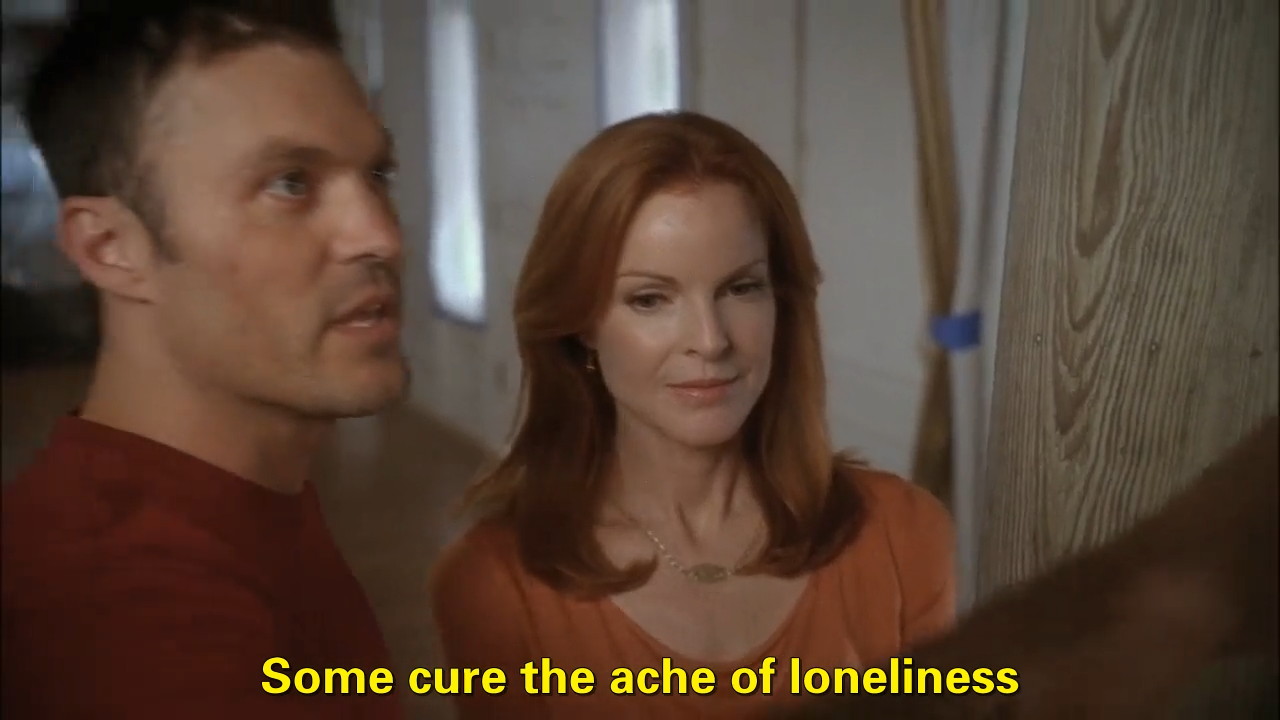
——>> Some cure the ache of loneliness 有些人疗愈孤独的隐隐作痛,
——>> by making new friends. 通过结交新的朋友。
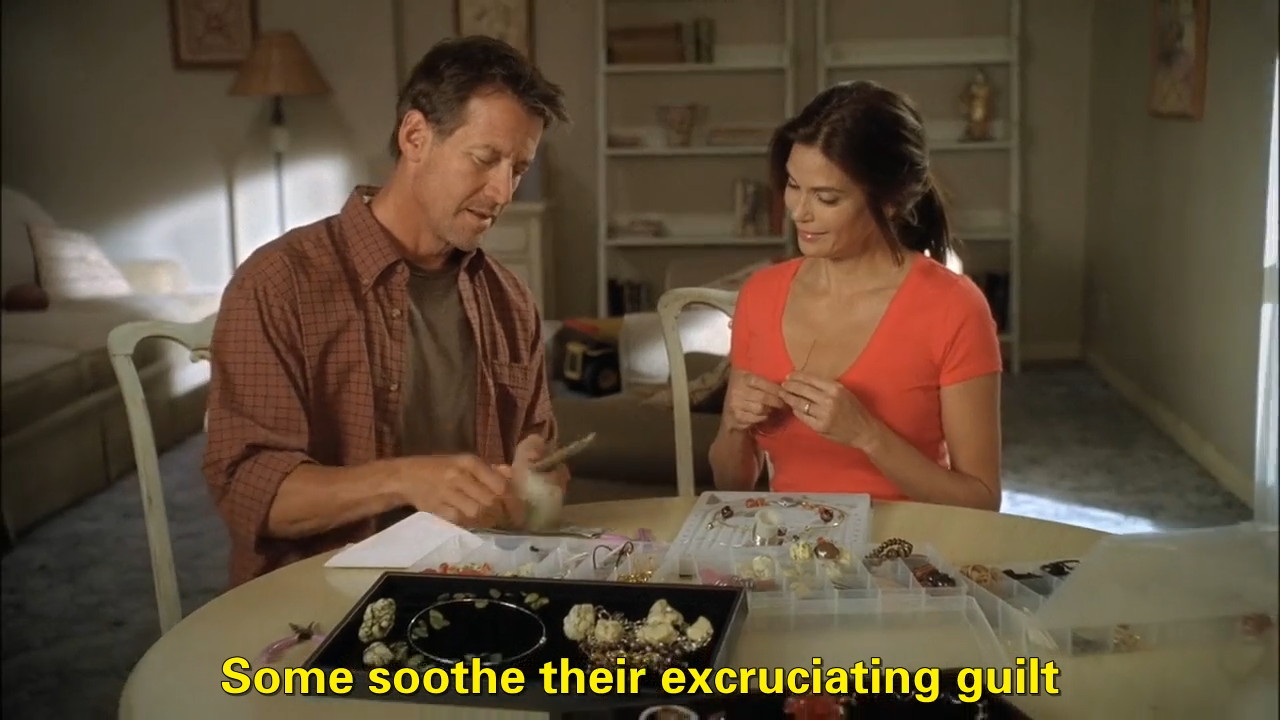
——>> Some soothe their excruciating guilt 有些人抚慰自己刻骨铭心的愧疚,
——>> with an infusion of cash. 通过投入大笔金钱。
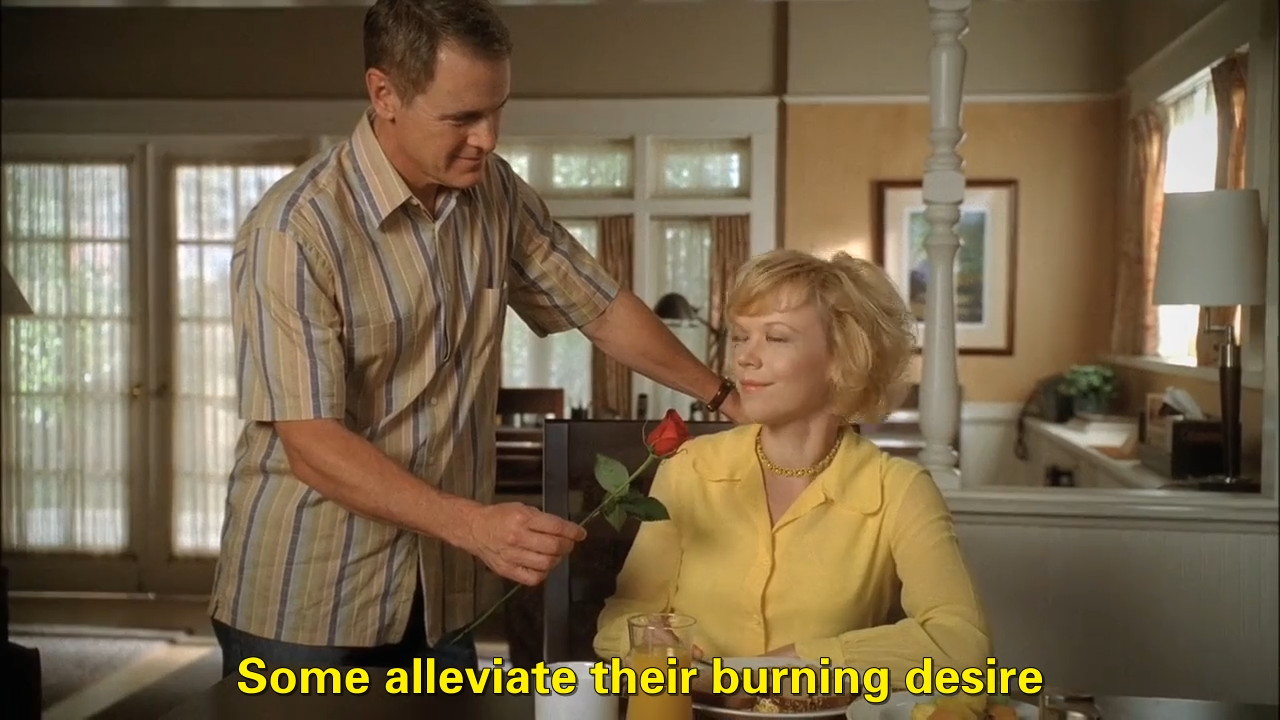
——>> Some alleviate their burning desire 有些人缓解内心炽烈的渴望,
——>> with small acts of kindness. 通过一个个微小的善举。
这三个例子有一个共同特点:它们都建立在行动仍然可能的前提之上。孤独的人可以交朋友,愧疚的人可以给予,渴望的人可以行善。虽然人们无法改变最初的伤口,却仍能影响伤口对自己的影响。
然而独白最后突然转向更深沉的层次:“总会有一些人甚至无法开始疗愈,因为他们知道还有更多痛苦尚未到来。”这里出现的是一种完全不同的精神状态。问题不再是已经存在的伤口,而是未来伤口的确定性。疗愈通常需要一个前提:痛苦已经属于过去。但当一个人知道疾病正在恶化、关系即将结束、真相即将揭晓、失去即将来临时,疗愈的基础便被动摇了。因为未来不断侵入现在。
这正是“预期性悲伤(anticipatory grief)”之所以比悲伤本身更折磨人的原因。当灾难已经发生时,人可以逐渐学会接受现实;而当灾难尚未发生却不可避免时,人便被困在现在与未来之间。他无法真正哀悼,因为失去还没有发生;也无法真正平静,因为失去已经开始逼近。
因此,这段独白实际上揭示了人类韧性的一个悖论:面对已经发生的痛苦,人类往往异常坚强;面对尚未发生却注定到来的痛苦,人类却容易陷入无力。想象力原本是文明的基础,却在此刻变成了折磨自己的工具——它让我们提前经历未来的悲伤。
What unites these examples is the assumption that action remains possible. The lonely can seek friendship. The guilty can give. The longing can serve. Each strategy rests on a belief that suffering can be modified through agency. The individual may not control the original wound, but can still influence its consequences.
The monologue becomes darker with its final turn. “There will always be those who can’t begin to heal because they realize there is more pain yet to come.” This sentence introduces a radically different emotional condition. The problem is no longer the presence of pain but the certainty of future pain. Healing generally requires a belief that suffering belongs to the past. Recovery presupposes closure. Yet when someone knows that loss, heartbreak, illness, betrayal, or death still lies ahead, the psychological foundations of healing begin to collapse.
This is why anticipatory grief is often more destabilizing than grief itself. When a tragedy has already occurred, the mind can gradually reorganize around reality. But when tragedy is expected and unavoidable, individuals become trapped between present and future. They cannot fully inhabit either. They are unable to mourn because the loss has not yet happened, yet unable to feel peace because they know it will.
The monologue therefore identifies a paradox of human resilience. Human beings are remarkably adaptable when confronting pain that has already arrived. They create friendships, charities, routines, distractions, narratives, and acts of kindness to endure suffering. Yet resilience weakens when facing pain that exists only as a certainty on the horizon. The imagination becomes an instrument of torment, repeatedly forcing the individual to experience tomorrow’s grief in advance.
——>> But sadly, 但遗憾的是,
——>> there will always be those who can’t begin to heal… 总会有一些人甚至无法开始疗愈……
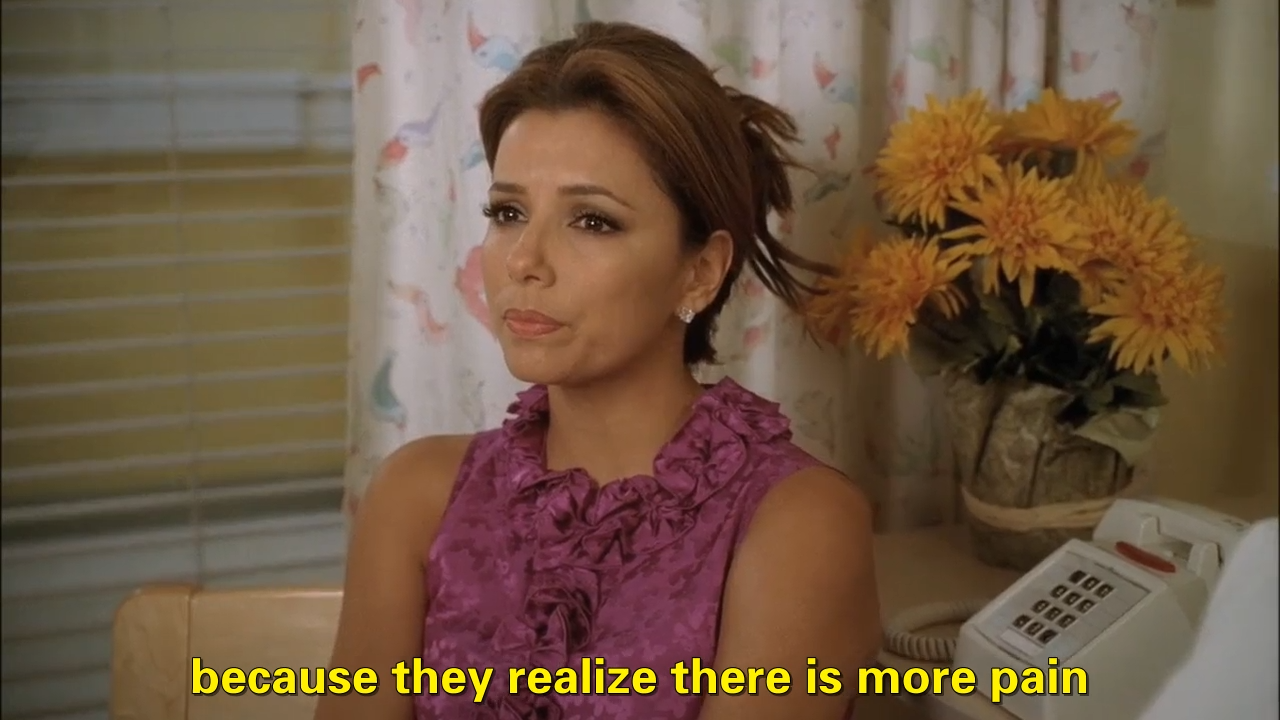
——>> because they realize there is more pain 因为他们意识到,还有更多痛苦
——>> yet to come. 正在前方等待着他们。
这段独白之所以令人难忘,是因为它揭示了一条极其普遍却很少被说破的人生真相:很多时候,人们害怕的并不是痛苦本身,而是等待痛苦到来的过程。
孤独的人还能去寻找朋友,愧疚的人还能争取救赎,失败的人还能重新开始。这些都意味着主动权仍然存在。但当一个人知道至亲将离世、婚姻将破裂、某个决定迟早要面对时,他所承受的是另一种重量——未来像一片正在逼近的阴影。
因此,最后一句并不是在批评这些人不够坚强。恰恰相反,它是在承认一种极其沉重的人类处境:有时候最大的悲剧,不是今天的伤口,而是明天的伤口已经能够被看见。
从更深层看,这段旁白讨论的并不仅仅是痛苦,而是时间。它告诉我们,人类最深的苦难往往不来自记忆,而来自预见;不来自已经失去的东西,而来自那些我们知道终将失去的东西。
One reason this monologue resonates so deeply is that it captures a universal but rarely articulated truth: people are often more frightened by anticipated suffering than by suffering itself.
A lonely person can make a friend. A guilty person can seek redemption. A disappointed person can begin again. These responses preserve a sense of agency. But the knowledge that a loved one is dying, that a relationship is ending, that a devastating decision must soon be made, or that a painful truth can no longer be avoided places a person in a fundamentally different psychological state. The future becomes an approaching shadow.
The final line does not suggest that these individuals are weak. On the contrary, it acknowledges the immense burden of carrying tomorrow’s pain today. The tragedy is not that they refuse to heal. The tragedy is that healing usually requires hope, and hope becomes difficult when the next wound is already visible.
In that sense, the monologue is not merely about pain. It is about time. It argues that some of the deepest suffering in human life comes not from memory, but from anticipation—not from what we have lost, but from what we know we are about to lose.
欧文点评:短短几句话,却像一枚安静落下的石子,没有激起惊涛骇浪,却在心湖最深处荡开了一圈又一圈涟漪。旁白说:“有些痛苦,是医院治不好的。”第一次听到这句话的时候,我愣了一下。因为我们从小接受的教育告诉我们,哪里坏了,就去修哪里;哪里疼了,就去治哪里。发烧了,有药;骨折了,有医生;机器坏了,有工程师。这个世界似乎总有一套对应的解决方案。然而长大以后我们才发现,人生里最疼的东西,往往恰恰没有对应的科室。孤独挂不了号,遗憾做不了手术,愧疚拍不出CT,思念也照不出X光。很多时候,你甚至无法准确告诉别人,自己究竟哪里疼。
于是,那些承受着情感创伤的人,只能开始一场漫长而笨拙的自救。有人拼命交朋友。不是因为热爱热闹,而是因为孤独最可怕的地方,从来不在于身边没人,而在于你开始怀疑自己是否还被世界需要。朋友未必能够解决问题,但他们像深夜里远处亮着的一扇窗。你知道那束光未必属于你,却会因此相信,这个世界还有人在醒着,还有人与自己共同生活在这片黑暗里。有人选择捐钱、帮助别人、投身公益。旁白说,这是为了缓解愧疚。这句话真实得近乎残忍。因为很多时候,我们给出去的,不只是金钱,而是一种补偿,一种与过去和解的尝试。仿佛是在对命运低声说:“如果我无法改变曾经发生过的事,那么至少让我为这个世界再做一点什么。”还有一些人,把满腔无处安放的欲望,变成一个个微不足道却温暖的善意。一句鼓励,一次帮助,一个拥抱,一个顺手扶住即将关闭的电梯门。人生很多时候就是这样,我们无法直接消灭痛苦,却能把痛苦转化成别的东西。就像河流遇见巨石,不一定非要撞碎它,也可以绕过去,然后继续向前流淌。
然而,这段旁白真正厉害的地方,其实在最后一句。它说:“总会有一些人甚至无法开始疗愈,因为他们知道,还有更多痛苦尚未到来。”听到这里,整段话忽然从“治愈”变成了“命运”。因为最难承受的,往往不是已经发生的事情,而是即将发生的事情。失业并不可怕,可怕的是等待裁员通知的那几个月;分别并不可怕,可怕的是明知终将分别,却还要一起吃饭、聊天、微笑;死亡并不可怕,可怕的是医生看着你说:“做好准备吧。”从那一刻开始,未来提前闯进了今天,人被困在一个奇怪的夹缝里。坏事还没有发生,但快乐已经提前退场。
心理学里有一个词,叫作“预期性悲伤”(Anticipatory Grief)。简单来说,就是人会提前为未来的失去而痛苦。我们的大脑有一种非常神奇、同时也非常残忍的能力。它不仅能够回忆昨天,还能够预演明天。于是很多人并不是活在现实里,而是活在尚未发生的剧情里。身体坐在今天,灵魂却已经跑去了明天的废墟,然后提前哭泣,提前恐惧,提前绝望。有人说,人类是唯一会为两年后的事情失眠的动物。我不知道这句话是否准确,但它确实说出了一个令人无奈的事实:很多时候,真正折磨我们的并不是现实,而是想象;不是伤口本身,而是等待伤口到来的过程。人生很多痛苦,不是现实造成的,而是预告片造成的。电影还没有开场,心却已经散场了。
可如果故事到这里结束,那未免太悲观了。换个角度想,人类最伟大的地方,恰恰也在这里。因为即便知道未来会受伤,我们还是会去爱;即便知道关系终有结束的一天,我们还是会投入真心;即便知道生命最终会带走一切,我们依然愿意认真生活。这其实是一种近乎悲壮的勇气。候鸟知道冬天会来,可它依然会飞;花知道自己终将凋谢,可它依然会开。人也是一样。成长不是学会不害怕,而是在害怕的时候依然向前;成熟也不是看透一切,而是明知道人生有缺憾,依然愿意热爱它。
所以,当我再次回想旁白最后那句话时,我总想为它补上一句:未来的痛苦或许正在路上,但未来的惊喜,也在同一条路上。我们总喜欢提前透支悲伤,却很少提前预支希望。事实上,明天从来不是单向度的。它可能带来告别,也可能带来重逢;可能带来风暴,也可能带来晴天。人生最奇妙的地方就在于,你永远无法准确预测,下一页究竟写着什么。因此,不要把今天全部借给明天,不要为了尚未发生的风雨,熄灭此刻手里的灯。
很多年以后,当我们终于走到那个曾经害怕得彻夜难眠的时刻,也许会突然发现:原来真正压垮我们的,从来不是命运挥下来的那一拳,而是在等待那一拳的时候,我们曾在心里演练了无数遍倒下的样子。人生最大的消耗,不是经历痛苦,而是反复预习痛苦;生命真正的勇敢,也不是相信未来没有风暴,而是明知道风暴会来,仍然愿意扬帆。因为活着这件事,从来不是为了逃避失去,而是在明知终将失去的前提下,依然选择热烈地拥有。