
这一场发生在 Taylor Mason Capital 的内部会议中,核心议题是薪酬结构调整。作为创始人兼核心策略制定者,Taylor 离开艾克斯资本自立门户后,提出一种延迟支付薪酬(deferred compensation)机制,即员工的一部分收入不会立即发放,而是延后兑现。

这一提议立刻引发强烈反对,尤其是 Ben Kim 和其他员工,他们认为这一方案在财务上效率低下,在心理层面具有操控性,在结构上也不公平。原本关于“如何支付薪酬”的技术讨论,很快升级为关于信任、领导合法性与组织伦理的深层冲突。
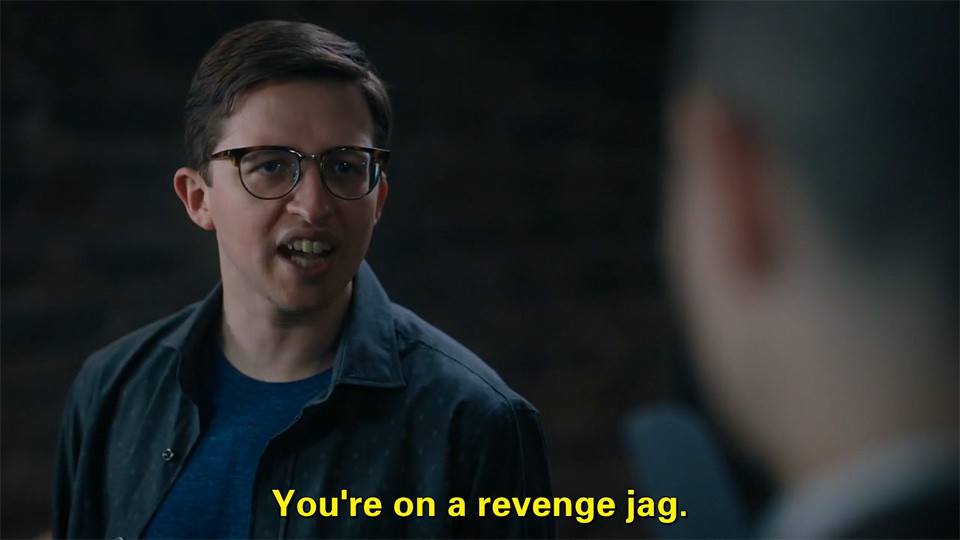
Billions.S04-Be.on.a.revenge.jag

Taylor: This is about comp? 我们在谈薪酬问题吗?

Female Staff: About what to say to you about comp. 关于要怎么跟你谈薪酬这件事。

Taylor: What’s the issue? 什么问题?

Ben Kim: I think it sucks. 我觉得这方案很糟。

——>> You’re using hedge fund social pressure 你在利用对冲基金圈子的社交压力

——>> to dissuade us from insisting on up-front payment 来劝阻/劝退我们坚持要求一次性预付薪酬

——>> when, if given that money today, I could generate more with it. 而如果今天拿到那笔钱,我可以创造更多收益

——>> Plus, the entire choice you’ve foisted on us, is a false one. 另外,你强加给我们的选择本身就是伪命题

——>> If you can’t afford full payment, 如果你付不起全额

——>> you could just pay your most valuable people– 你可以先支付最有价值的人

——>> the mois of the world– first. ——比如世界上最核心的那批人先拿钱

在英语俚语中,它还可以是一个缩写,源自 “moi”(法语“我”),而 “les mois” 有时被用来指代 “most important people” 或 “top-tier elite——特别是法语中”les grands mois”的缩略用法,指“最杰出的那一批人”。本·金在用这个词强调:如果资金确实紧张,泰勒完全可以优先支付最核心的少数人,而不是用“一视同仁地延期支付”来掩盖问题。这个词的选择带有一种傲慢的幽默感——他把自己和那些核心人才归为“不可替代的少数派”。

Taylor: Are you finished? 说完了吗?

Ben Kim: Not really. I think you started this whole place 并没有。我觉得你创立这里的初衷

——>> because Axe took you for granted 是因为Axe一直没有给予你应有的重视,而是把你视为理所当然

——>> and now you’re doing the same thing to us. 而现在你正在用同样方式对待我们

——>> It’s not like you’re short because you’re waiting for 这不是因为资金短缺,等什么

——>> a ship to come in with beaucoup [‘bəʊkuː] doubloons [dʌ’bluːn]. 天降巨款这种幻想式的补救

  • “Beaucoup doubloons” = 法语来源俚语,意为“许多金币”,一种夸张的说法,指“巨额财富”。

——>> You’re on a revenge jag. 你是在进行一场复仇式经营

——>> And that’s a journey that requires you to dig two graves– 而这种道路往往会埋葬两方

——>> and neither needs to be mine. 但我不想成为其中之一

Billions-Comp.negotiation

Male Staff: Fuck you, math man. 去你的,数学怪才

——>> If you’re such a genius, why can’t you count to loyalty? 如果你这么聪明,为什么“忠诚”?

——>> We’ve all fucked up. 我们都搞砸过/犯过错

——>> Maybe not Lauren. But the rest of us. 也许Lauren没有,但我们其他人都有

Lauren Turner 是 Taylor Mason Capital 团队中的一名核心成员,属于“系统内最可靠节点”——极少犯错、执行极其稳定、组织忠诚度高

——>> And each time, Taylor’s had our back. 但每次Taylor都支持我们

——>> They’ve earned our faith. 他们配得上我们的信任

——>> But if that concept doesn’t compute, 如果你连这个都无法理解

——>> then yeah– remember what happened 那就想想当初

——>> when Taylor was on this side and didn’t like it? Taylor站在另一边时的反应

——>> They were willing to walk away and prove they could do better. 他们愿意离开去证明自己更强

——>> Are you willing to do that? No. 你们敢吗?不敢

——>> Because you’re not a leader. You’re a grumbler [‘ɡrʌmblə(r)] . 因为你不是领导,你只是抱怨者

——>> Well, it’s not grumble time. It’s comp time. 现在不是抱怨时间,是薪酬时间

——>> Make your choice. I made mine– 做出选择吧,我已经选了

——>> defer and trust in Taylor– You do you. 延迟支付并信任Taylor——你们自己看着办

Ben Kim: Defer… And trust. 延迟……并信任

Taylor: Thanks for letting me know. 谢谢你让我知道你的立场
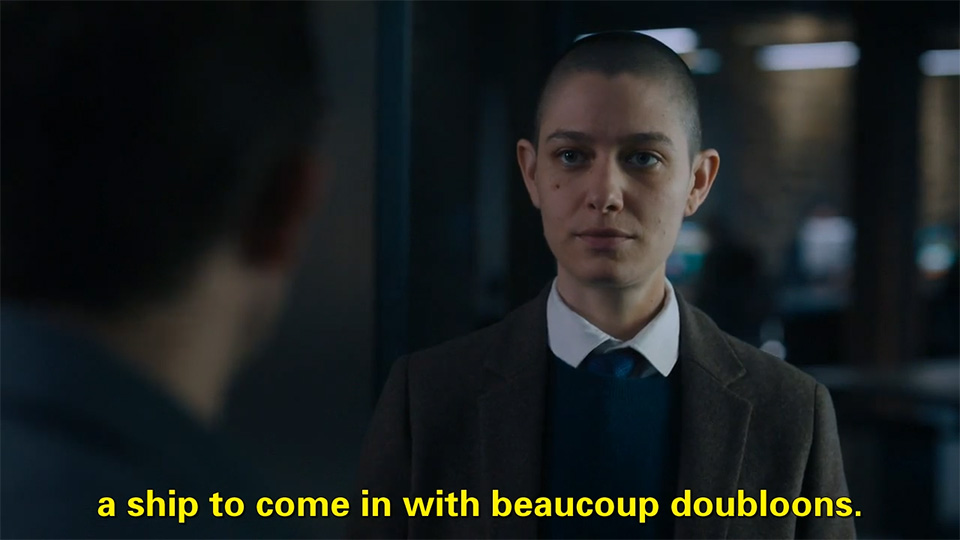
Billions.S04E11-Taylor

Detailed Analysis (深入分析):

1. 领导力考验:泰勒是否变成了他们曾经厌恶的样子?

这场戏的核心讽刺在于,泰勒被指控重蹈了他们离开艾克斯资本时的覆辙。泰勒离开是因为艾克斯不把他们当回事、武断决策、将自我凌驾于人才之上。而现在,本·金直接指出了这一类比:

“我觉得你创立这里的初衷,是因为Axe曾经不把你当回事,而现在你正在用同样的方式对待我们。”

这之所以致命,是因为它呼应了一个经典的道德模式:受害者变成了加害者。曾经坚持原则的泰勒,如今被指控滥用权力,未经真正协商就向自己人强加条件。延期支付方案被包装成战略选择,却越来越像是自上而下的强加——正是泰勒当年反抗的那种威权式决策。


2. 伪命题与智力操控

本·金最尖锐的批评直接指向了提案本身的结构:

“你强加给我们的选择本身就是个伪命题。”

他指出泰勒设置了一个二元陷阱:要么现在接受延期支付,要么危及公司稳定。但本·金认为这在智力上是不诚实的。泰勒可以优先支付最有价值的团队成员,或寻找替代资金来源。通过将决策框定为“要么接受这个,要么伤害公司”,泰勒是在使用逻辑胁迫——一种掩盖真实问题的策略:优先级的取舍

这揭示了一个微妙但重要的伦理漏洞:当领导者用有限的选项来强制服从时,他们就是在操纵同意。这种技巧常被那些不信任团队会自愿接受艰难决定的人所使用。


3. 核心问题:复仇还是刚需

本·金最具爆炸性的指控是这场戏的情感核心:

“这不是因为资金短缺,等着什么天降巨款这种幻想式的补救。你是在进行一场复仇式经营。”

关键词汇解析:

  • “Beaucoup doubloons” = 法语来源俚语,意为“许多金币”,一种夸张的说法,指“巨额财富”。

  • “Revenge jag” = 由复仇欲望驱动的沉溺或执念,往往是非理性的、自我毁灭的。

本·金的意思是:这不是现金流问题,而是心理问题。 泰勒不缺钱——他们是情感驱动,要不惜一切代价赢过艾克斯。“等船归来”的比喻暗示泰勒可能是在押注,用未来的意外之财来为当前的紧缩政策提供正当理由。但本·金认为这只是幻想。真正的驱动力是证明自己更优越的执念——而这一冲动现在正由员工们的忠诚和耐心来买单。

这是一个深刻的洞察:复仇是一种昂贵的奢侈品,往往需要由盟友的善意来买单。 泰勒对艾克斯的复仇追求已成为一个自我延续的叙事,为其可疑的财务决策提供了正当理由。本·金拒绝成为那场战争的牺牲品。


4. 忠诚、文化与脆弱的联盟

这场戏也引发了一场关于组织忠诚的辩论:

  • 男员工认为泰勒通过过去的支持赢得了信任,而这种信任应当以延期薪酬的方式来回报。他将忠诚视为双向街道,并警告本·金的反抗呼应了泰勒自己当年离开艾克斯资本的方式。

  • 本·金则反驳说,没有问责制的忠诚是盲目的。他尊重泰勒的才华,但拒绝将职业尊重与盲从混为一谈。

这种张力揭示了泰勒新公司的脆弱性:它建立在共同对艾克斯的不满之上,但共同的敌人并不能保证共同的价值观。当外部对手(艾克斯)不在场时,内部矛盾就会浮现。


5. “抱怨者”与”领导者”的对位

男员工的嘲讽——“你不是领导者,你只是个抱怨者”——是故意挑衅。它迫使本·金要么接受这个标签,要么通过做出果断选择来证明自己的领导力。本·金的最终回应——“延迟……并信任”——是一种经过计算的、勉强的让步。

这一刻之所以重要,是因为它表明,即使持不同意见者,在压力下也往往会顺从,以避免被视为破坏者。但信任的质量已经受损。本·金留下了,但他的信念不再纯粹。这是泰勒做法的隐性成本:赢了争论并不等于赢得了关系。


基于本·金评论的评论

本·金的台词是整场戏的诊断手术刀。它将一场财务辩论重新定义为一次心理剖析。

“这不是因为资金短缺,等着什么天降巨款这种幻想式的补救。”

这是对企业委婉语的嘲讽。泰勒可能将延期支付包装为”战略性流动性管理”,但本·金看清了它的本质:一个自我服务的故事。他剥离了术语,揭示了底层的原始驱动力。

“你是在进行一场复仇式经营。”

这句指控之所以伤人,是因为它听起来很真实。泰勒离开艾克斯后的整个职业生涯都围绕着证明自己能超越前导师。能源领域投资、竞争性招聘、公开对抗——这些都指向一场个人远征。本·金的意思是:“你的战争是与艾克斯的战争,而不是与市场的战争。而我不打算入伍。”

我的评论:

本·金的评论是一次毁灭性的道德干预。在金融这个高风险世界里,权力常被伪装成理性,他做了一次既罕见又危险的智力诚实之举。他拒绝被企业公关话术所忽悠。他指名道姓地揭露了房间里的情感幽灵。

更深层的悲剧在于,泰勒甚至可能意识不到自己的动机。创伤往往在意识之下运作。本·金举起了一面镜子——不是为了羞辱,而是为了警告。他在说:“你的复仇正在吞噬你,也在吞噬我们。”

这使他成为这场戏的良知。泰勒是否听从这个警告,决定了他们最终会成为真正的领导者,还是变成他们曾经怨恨的那种人。


English Introduction & Thorough Analysis

Context & Scene Introduction:

This scene from Billions Season 4, Episode 11 captures a pivotal moment of internal confrontation at Taylor Mason Capital. Taylor, who broke away from Axe Capital to found their own fund, is now facing a rebellion from their own team—specifically from Ben Kim, a quantitative analyst who was once their most loyal ally.

The conflict centers on compensation structure. Taylor has proposed a deferred payment plan, asking employees to accept delayed compensation rather than upfront cash. On the surface, this seems like a practical liquidity management decision. But Ben Kim sees through the financial justification and exposes what he believes is the true emotional motivation: revenge against Bobby Axelrod.

The scene is a masterclass in workplace dynamics, psychological warfare, and the collision between rational business logic and human emotion. It tests Taylor’s leadership, reveals fractures in their team, and forces everyone to confront the question: What happens when a leader’s personal trauma drives institutional decisions?


Thorough Analysis:

1. Leadership Test: Has Taylor Become What They Hated?

The core irony of this scene is that Taylor is accused of repeating the very behavior that drove them away from Axe Capital. Taylor left because Axe took them for granted, made unilateral decisions, and prioritized his own ego over talent. Yet now, Ben Kim directly draws the parallel:

“I think you started this whole place because Axe took you for granted, and now you’re doing the same thing to us.”

This is devastating because it echoes a classic moral pattern: the victim becomes the perpetrator. Taylor, who once stood on principle, is now accused of using their power to impose terms on their own people without genuine consultation. The deferred compensation plan, framed as a strategic choice, looks increasingly like a top-down imposition—the exact kind of authoritarian decision-making Taylor once rebelled against.


2. The False Choice & Intellectual Manipulation

Ben Kim’s sharpest critique is directed at the structure of the offer itself:

“The entire choice you’ve foisted on us is a false one.”

He identifies that Taylor has presented a binary trap: defer compensation now or risk the firm’s stability. But Ben Kim argues this is intellectually dishonest. Taylor could prioritize paying the most valuable team members first, or find alternative funding sources. By framing the decision as “either accept this or harm the firm,” Taylor is using logical coercion—a tactic that masks the real issue: priorities.

This exposes a subtle yet important ethical breach: when leaders present limited options to force compliance, they’re manipulating consent. It’s a technique often used by those who don’t trust their team to voluntarily agree with a difficult decision.


3. The Heart of the Matter: Revenge vs. Necessity

Ben Kim’s most explosive accusation is the emotional core of the scene:

“It’s not like you’re short because you’re waiting for a ship to come in with beaucoup doubloons. You’re on a revenge jag.”

Key vocabulary breakdown:

  • “Beaucoup doubloons” = French-derived slang for “lots of gold coins,” a colorful, exaggerated way of saying “vast wealth.”

  • “Revenge jag” = a binge or obsession fueled by a desire for retaliation, often irrational and self-destructive.

Ben Kim is saying: this isn’t a cash flow problem; it’s a psychological problem. Taylor isn’t short of money—they’re emotionally driven to win at all costs against Axe. The “ship coming in” metaphor suggests Taylor may be gambling on a future windfall to justify present austerity. But Ben Kim dismisses this as fantasy. The real driver is a compulsion to prove superiority—and that compulsion is now being funded by the loyalty and patience of their own employees.

This is a profound insight: revenge is an expensive luxury, and it’s often paid for with the goodwill of allies. Taylor’s pursuit of vengeance against Axe has become a self-sustaining narrative that justifies questionable financial decisions. Ben Kim refuses to be a casualty of that war.


4. Loyalty, Culture, and the Fragile Alliance

The scene also dramatizes a debate about organizational loyalty:

  • The male staff member argues that Taylor has earned faith through past support, and that trust should be reciprocated with deferred compensation. He frames loyalty as a two-way street and warns that Ben Kim’s rebellion echoes Taylor’s own departure from Axe Capital.

  • Ben Kim counters that loyalty without accountability is blind. He respects Taylor’s brilliance but refuses to confuse professional respect with unquestioning obedience.

This tension reveals the fragility of Taylor’s new firm: it was built on a shared grievance against Axe, but shared enemies do not guarantee shared values. When the external adversary (Axe) isn’t present, internal contradictions surface.


5. The Role of “Grumbler vs. Leader”

The male staff member’s taunt“You’re not a leader. You’re a grumbler”—is deliberately provocative. It forces Ben Kim to either accept the label or prove his leadership by making a decisive choice. Ben Kim’s final response—“Defer… And trust.”—is a calculated, grudging concession.

This moment is significant because it shows that even dissenters, when pressured, will often conform to avoid being seen as obstructive. But the quality of trust is compromised. Ben Kim stays, but his faith is no longer whole. This is the hidden cost of Taylor’s approachwinning the argument doesn’t mean winning the relationship.


Comment Based on Ben Kim’s Remark

Ben Kim’s line is the diagnostic scalpel of the entire scene. It reframes a financial debate as a psychological autopsy.

“It’s not like you’re short because you’re waiting for a ship to come in with beaucoup doubloons.”

This is a mockery of corporate euphemism. Taylor might have dressed up the deferred compensation as “strategic liquidity management,” but Ben Kim sees it for what it is: a self-serving story. He strips away the jargon and reveals the primal drive underneath.

“You’re on a revenge jag.”

This is the accusation that stings because it rings true. Taylor’s entire post-Axe career has been defined by proving they can outperform their former mentor. The energy sector investments, the competitive hiring, the public confrontations—they all point to a personal crusade. Ben Kim is saying: “Your war is with Axe, not the market. And I’m not enlisting.”

My comment:

Ben Kim’s remark is a devastating ethical intervention. In the high-stakes world of finance, where power is often disguised as rationality, he performs an act of intellectual honesty that is both rare and dangerous. He refuses to be gaslit by corporate PR. He names the emotional ghost in the room.

The deeper tragedy is that Taylor may not even recognize their own motivation. Trauma often operates beneath conscious awareness. Ben Kim is holding up a mirror—not to humiliate, but to warn. He is saying, “Your revenge is consuming you, and it’s consuming us too.”

This makes him the conscience of the scene. Whether Taylor heeds this warning determines whether they become a true leader or just another version of the person they once resented.

发表回复

您的邮箱地址不会被公开。 必填项已用 * 标注