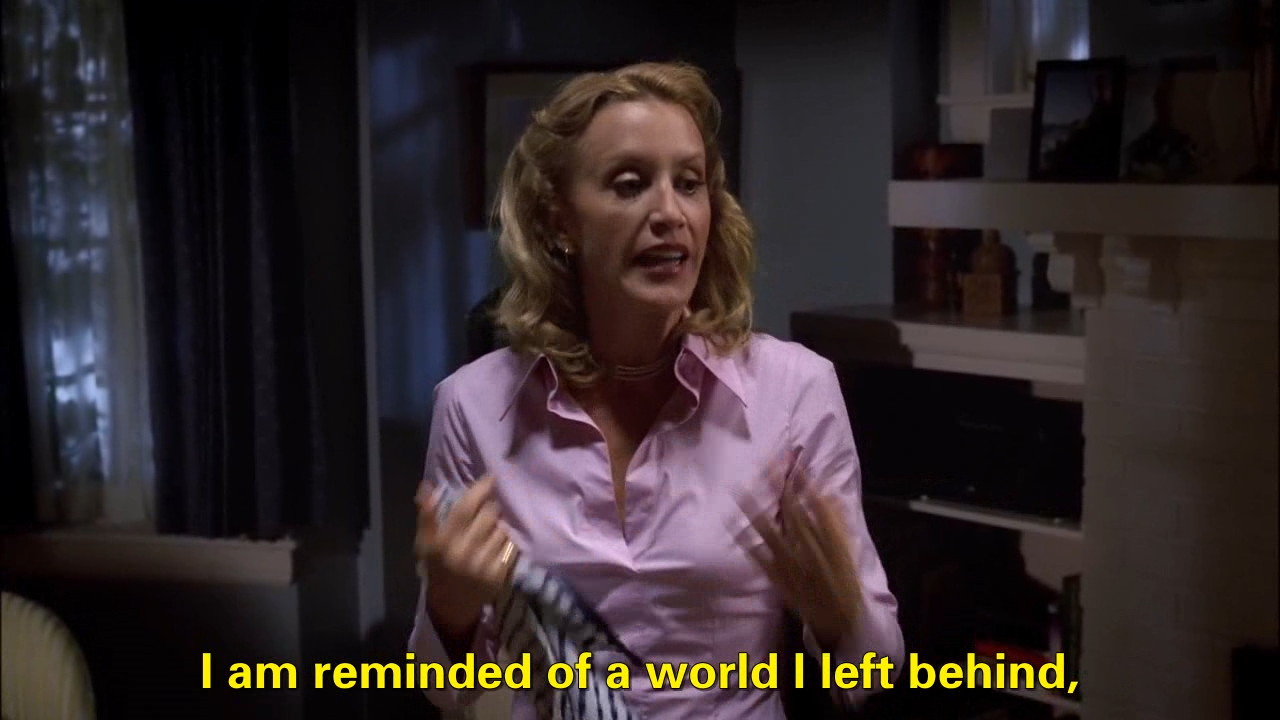

背景介绍: 美剧Halt and catch fire《电脑狂人》是一部描述20世纪末期美国IT精英创业融资、创新发展的电视剧。该剧有不少关于商务演讲、公司法务、股权融资、广告营销、商务谈判、收购合并的情景对话,美剧《电脑狂人》用语专业、简炼,非常适合用来作为商务英语学习的素材。
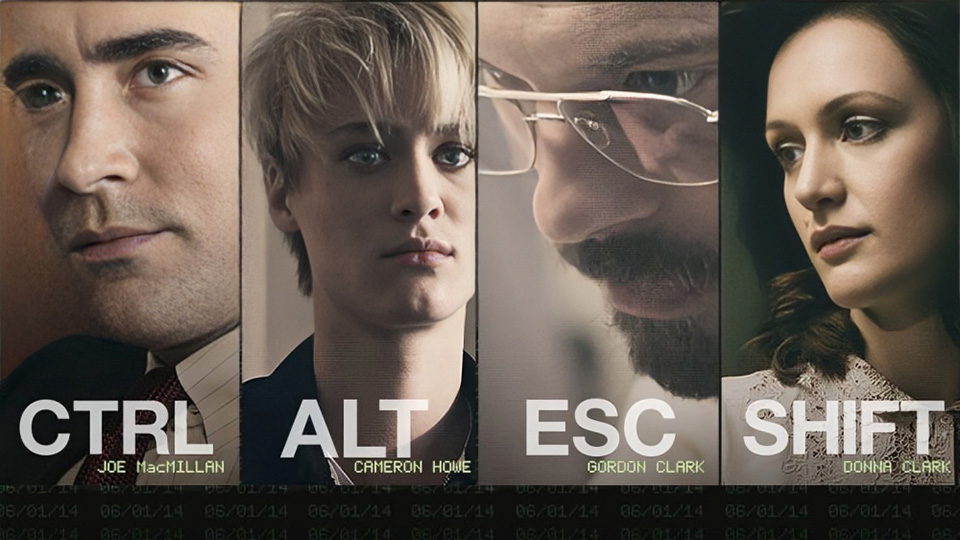
本剪辑选自《电脑狂人》第3季第7集——穆特尼公司的创始人Cameron以及资深合伙人Donna、Gorden、Bos和Diane召开股东会议,Cameron与Donna针对穆特尼公司是否应该上市引发了激烈的争论,两人水火不容、互相揭短,最终Cameron被众股东联合否决、黯然出局。以下图片为相关背景介绍:
| 成员 | 持股比例 | 职位 | 角色 |
|---|---|---|---|
| Cameron(卡梅伦) | 40% | 穆特尼公司创始人 | 公司系统架构师及首席程序员 |
| Donna(唐娜) | 25% | 资深合伙人(管家婆) | 主管公司运营 |
| Gorden(高登) | 10% | 合伙人(硬件天才) | 投资并维护公司硬件设施 |
| Bos(博斯) | 约5% | 合伙人(谈判高手) | 主管公司销售业务 |
| Diane(黛安) | 约8% | 出资股东(深谙资本运作) | 公司投资人(独立董事) |
“穆特尼”的根基在于网络游戏,后鉴于用户的交流需求,发展了互动社区。随着用户数的不断增长,交换及购买商品的需求不断凸现,由于彼时电子商务还处于萌芽阶段,用户基数不大、而且利模式并不明朗,做电子商务的IT公司基本上是赔本赚吆喝。“穆特尼”通过黛安的资金注入加上博斯的巧妙周旋,以非常低廉的价格收购了当时专注于“在线物品交换”、且拥有较大知名度的“跳蚤市场”,开始在电子商务领域崭露头角、|并受到了资本市场的高度关注。
黛安与唐娜一拍即合,打算趁风生水起,尽快将穆特尼融资上市,卡梅伦则希望不断发展社区、通过创新提高用户活跃度、将平台打造完美后再进行IPO,在会议召开之前,两人就因意见不合而产生了较大的摩擦,在股东|会议召开之前时逢卡梅伦婚礼晚宴,唐娜丈夫高登出于好意,向卡梅伦摊牌唐娜决意进军IPO,而他自己尽管并不太赞成唐娜的提议,但出于夫妻关系,只能附和,希望卡梅伦找其颇为敬重的博斯商谈,能够妥善处理此事,不曾想卡梅伦义愤填膺,尽管找了博斯,博斯也建议她要顾全大局,凡事有商有里。卡梅伦提议招开股东会议,与唐娜针锋相对,于是便有了下面的精彩对白:
该场景涉及到一些比较专业的商务表达和实用短语及词汇(已在脚本处用蓝色做了标记),希望对大家的商务英语学习有所帮助:
Cameron:I’ve had some concerns about Mutiny’s direction, 我对穆特尼的走向, 有些担忧
——>> concerns I haven’t effectively expressed. 而我没能好好表达这些担忧
——>> That’s on me. 这怪我
——>> Things are moving fast, faster than I ever imagined they would. 现在我们发展得很快, 比我预期的快得多
——>> It’s an exciting time. 这很令人激动
——>> But we are at a crossroads 但我们走到了十字路口
——>> and we have a decision to make… together. 我们需要做决定 一起决定
——>> I know you all want to move forward on the IPO. 我知道你们都想上市
——>> I do, too. 我也想
——>> But I don’t think rushing into it is in our best interests. 但我认为急着上市 对我们并不是最好的
Donna:Can I say a quick word? 我能说一句吗
——>> The company is valued for what it is and does right now. 公司的价值在于它现在的状况
——>> The market likes Mutiny, but in a year or two, 市场现在喜欢穆特尼 但再过一两年
——>> or however long it takes to implement 或者等我们实施完毕
——>> the changes you have in mind, who knows? 你所构想的改变 谁知道呢
——>> We can’t count on tomorrow’s landscape looking like today’s. 我们不能指望未来的情势还跟如今一样
Cameron: Mutiny isn’t sustainable as it exists now. 穆特尼现在的样子是维持不下去的
——>> Our whole user base is tied to the Commodore 64. 我们整个用户群都是康懋达64用户
——>> We need to diversify to other platforms in order to grow. 我们想要发展就得开发其他平台
——>> And isn’t that what Wall Street likes? Growth? 这不就是华尔街喜欢的吗 发展
——>> The kind of investment that I’m talking about 我所构想的投资
——>> in time and money will pay off 日后终会有收获
——>> and smart investors will see that. 聪明的投资者会明白的
Donna:Your ideas are good, Cameron, 你的点子很棒 卡梅伦
——>> and some of them are even great. 有些非常好
——>> And I want to explore them with you, all of them. 我也想跟你一起探索你的每个点子
——>> But why can’t we do that after we’ve gone public? 但为什么不能在上市之后做呢?
——>> We don’t have to wait to try and make something perfect. 我们不用等着把它做到完美
——>> Perfect is the enemy of good, 完美是好的敌人
——>> and Mutiny is very, very good right now as it is. 穆特尼现在就很好了
Cameron:Donna, have you been on SwapMeet lately? 唐娜 你最近上过跳蚤市场吗
——>> It’s like an 8-bit mall. 就像个8位的商场
——>> It’s lost what made it a community. 它失去了其社区的本质
——>> We need to make it feel alive again or people are going to leave 我们得重新给它注入活力,否则大家会离开的
——>> and we’ll just be hosting a bunch of tacky businesses selling junk to nobody. 只剩下我们给一群三流小店开商场叫卖破烂 没人买
Donna:But–但是
Cameron:Please. 求你
——>> We can’t afford to be naive here. 我们不能太天真
——>> If we put off these changes, 如果我们推迟改变
——>> we won’t be able to make them the right way. 就不能好好施行它们了
Donna:You mean your way. 是按你的方式吧
Cameron:I mean, we’ll be so focused on PE ratios and shareholder value 我们将会太过在意市盈率和股东价值
——>> that we won’t be able to innovate and respond quickly. 而不能迅速创新、反应
——>> Mutiny won’t be Mutiny anymore. 穆特尼就不再是穆特尼了
——>> We’ll lose the company’s soul. 我们会失去公司的灵魂
Donna:Say we do it your way. 如果按你的办法来
——>> What happens if your ideas, good as they are, 万一你的点子 虽然它们很棒
——>> don’t work or backfire? 但行不通或适得其反了呢
——>> We risk losing our current valuation. 那我们就可能丧失现在的价值
——>> Going public doesn’t mean we stop innovating. 上市不代表就要停止创新
——>> We can continue to experiment and improve as we go, 我们可以同时继续实验 改进
——>> especially with someone as brilliant as you leading the way. 尤其有你这样聪明的人给我们带路
Cameron:Don’t patronize me. 别哄我
Donna:I’m not patronizing you. 我没那个意思
Cameron:You’re handling me like you always do, and I’m sick of it. 你又像以往一样在对付我 我受够了
Cameron:Listen, I’m trying to explain some very real risks 我在向公司股东解释
——>> that you’re not willing to acknowledge to actual stakeholders in the company. 真实存在,而你不肯承认的风险
——>> We can’t afford to be impulsive here. 我们不能太冲动
Donna:You’re calling me impulsive? 你还说我冲动
Cameron:What’s that supposed to mean? 这话什么意思?
Donna:I think people are out there celebrating what that means. 我觉得外面的人就在庆祝你的冲动
Cameron:Oh, you mean that bullshit little party you threw 你是指你为了不让我发现
——>> to distract me from getting stabbed in the back? 你背后捅刀行为而开的破派对吗
Crowd:Okay. – Okay, ladies, -好啊 -行了 女士们
Diane:We are getting off track here. 我们偏离主题了
Cameron:Diane, it’s mostly your thoughts coming out of her mouth, 黛安 她说的大多是你的想法
——>> so I can’t imagine what you have to add to the discussion. 所以我不知你还能提出什么新意见
Donna:Jesus! I don’t know who should be more insulted. 天呐 真不知我们谁该更觉得受冒犯
——>> Trust me, if I’m expressing an opinion, it’s because I believe it. 相信我 如果我说什么,那肯定是我的想法
Cameron:I should trust you. Yes, of course!–I mean, unless you’re lying now, 我是该相信你,除非你又在撒谎
——>> like you lied about Doug and Craig. 就像之前你在道格和克雷格的事上撒了谎
——>> Did you know about that? 你知道吗
——>> That when you told her it was fine if I fired them, 你告诉她可以解雇他们
——>> she told me that I had to keep them on? 结果她却告诉我必须留下他们
——>> Is that the sort of person that you wanna trust with this business going forward? 你就想跟这种人继续做生意吗?
Donna:You mean the kind of person who actually tries to make things work 你是指一个努力想维持下去
——>> instead of fighting with anybody who threatens her “savior complex“? 而不是跟每个威胁了她”救世主情节”的人打架的人吗?
Cameron:I get along fine with people. 我跟人相处得很好
Donna:You alienate everybody. 你疏远每一个人
Cameron:Says the woman that will take any excuse not to go home to her husband. 你一个想尽一切理由不回家见丈夫的女人也好意思说
Donna:Why don’t we see if your marriage lasts the year before you start dolg out relationship advice? 先看看你的婚姻能不能坚持到明年你再提出感情建议吧
Bos:Donna? – Enough. Enough! 唐娜 -够了
——>> Hey, this meeting is over, all right? 这次会议结束了
——>> My God! You two go to your corners, 天呐 你俩去各自的角落
——>> wipe the blood off your mouths, 把嘴上的血都擦干净
——>> and we will revisit– -我们稍后再…
Cameron:This gets decided tonight. I want a vote, and I want it clean. 这事今晚就定下来,我要大家投票 清楚明白
——>> If you all decide with Donna, 如果你们都同意唐娜
——>> then you can go ahead and do the IPO without me. I quit. 那就自己去上市吧-我辞职
Gorden:Cameron, come on. 卡梅伦 别这样
Cameron:No! I’m sick of this! Go! Take a hard look at this company 不 我受够了 去吧 好好看看这家公司
——>> and ask yourself who made it what it is 问问自己 是谁塑造了它
——>> and who’s just been along for the ride! 又是谁只是搭了顺风车
Bos:Cameron, please don’t do this. 卡梅伦 别这样
Donna:You want it? You got it. 你想投票 好啊
——>> But I will not sit by and watch this company die 但我不会坐视这家公司
——>> because it’s being held hostage by a petulant child. 因为被个任性的孩子挟持而死去
——>> If we don’t move forward with the IPO, 如果我们不上市
——>> then you can steer this ship into the rocks yourself, because I am outta here. 你就自己驾船去撞礁石吧,我不干了
Diane:Okay, Bos is right. Let’s take a beat, cool off 博斯说得对 我们休息下 冷静下来
Donna:Show of hands. Who’s in favor of doing the IPO now with all that that entails? 举手表决 谁赞成现在上市? 不管一切后果
Bos:You’re breaking my goddamn heart. 你真让我心碎

在这一场景中,Cameron之所以遭到孤立并最终出局,源于她战略上的误判、人际关系的破裂,以及《电脑狂人》第三季中公司权力格局的根本性转变。
1. 理想主义与实用主义的战略僵局
到了第三季,Mutiny已从草创的社区驱动型创业公司,发展为即将 IPO 的成熟业务。Cameron 仍是不妥协的创造者,把产品的“灵魂”看得高于一切。她认为 SwapMeet 的商业化腐蚀了社区精神,坚持推迟上市,重新设计平台架构,摆脱对 Commodore 64 的依赖。而 Donna 已成长为务实的运营官,深谙市场时机、投资者预期和错过窗口期的风险。Cameron 主张把产品打磨完美再上市,在其他投入多年的股东听来,是一种可能令估值崩盘的情绪化豪赌。大家认为 Donna 的路径是可控风险,而 Cameron 的方案则是一意孤行。
2. Cameron 粗暴的领导风格与盟友的疏远
Cameron 处事风格一贯对抗性强。第三季中,她多次自毁长城:冲动解雇员工、与 SwapMeet 社区发生冲突、把异见视同背叛。在这个场景里,她把 Donna 合理的战略关切扭曲为“居高临下的说教”,随后又公开揭露 Donna 在 Doug 和 Craig 去留问题上的欺瞒,但手法显得格局狭小而非大义凛然。最致命的是,她当着众人的面攻击 Donna 的婚姻。这早已不是愿景之争,而是一场极度私人化、毫无专业性的崩盘。她落到人身攻击的地步,让 Bos、Gordon 和 Diane 认定她情绪不稳,无法领导上市公司。她迫使众人陷入“要么挺我,要么对立”的局面,使得其他人轻松达成一致——联手孤立她。
3. 权力重心的转移与 Cameron 底牌的流失
剧集初期,Cameron 是独一无二的创意天才,没有她就没Mutiny。但到了第三季中期,公司的存续已不再完全系于她一人。Donna 已成为不可或缺的运营支柱,负责与投资者谈判和商业管理。风投人 Diane 天然支持 Donna 的 IPO 之路,因为那才是她投资所追求的退出策略。Bos 作为公司的道德重心,目睹 Cameron 一次次自毁,并一再警告她不要推开身边的人。Gordon 虽与 Cameron 私交不错,但他是 Donna 分居的丈夫,也是务实的工程师,明白 Donna 的计划能保障大家的未来。当 Cameron 发出最后通牒——“要么按我的方式,要么我走人”——她彻底高估了自己的分量。投票结果揭示了一个残酷现实:公司没有她仍可存活,但不能没有 IPO 和 Donna 所凝聚的共识。
4. “救世主情结”与拒绝成长
Cameron 最根本的错误在于,她认定自己是 Mutiny 灵魂的唯一捍卫者,唯有她的愿景才能拯救公司。这种 Donna 所称的“救世主情结”,让她看不到创新与股东价值可以并存。她拒不让步,恰印证了 Donna 那句指责——她是个挟持公司的“任性小孩”。最终,Cameron 被孤立,并非因为她的想法一无是处,而是因为她让自己变得无法共事。其他股东选择了稳定、增长,以及一个无论有多少缺点却能凝聚共识而非摧毁共识的领导者——Donna。Cameron 黯然离开,不是作为创意的殉道者,而是作为一个迫使同伴在她与公司生存之间做出选择的人。
Cameron’s isolation and eventual ousting in this scene stem from a combination of strategic misjudgment, deteriorating interpersonal relationships, and a fundamental shift in the company’s power dynamics throughout Season 3 of Halt and Catch Fire.
1. The Visionary vs. The Pragmatist – A Strategic Impasse
By Season 3, Mutiny has evolved from a scrappy, community-driven startup into a viable business on the verge of an IPO. Cameron remains the uncompromising creator who values the “soul” of the product above all else. She sees the commercialization of SwapMeet as a corruption of the community she built and insists on delaying the IPO to re-architect the platform and diversify away from the Commodore 64. Donna, on the other hand, has matured into a pragmatic COO who understands market timing, investor expectations, and the dangers of missing a window of opportunity. Cameron’s argument—that they must perfect the product before going public—sounds like a perilous delay to the other stakeholders who have poured years into making the company profitable. The room sees Donna’s path as a calculated risk, while Cameron’s is an emotional gamble that could tank their valuation.2. Cameron’s Abrasive Leadership and Alienation of Allies
Cameron’s interpersonal style has consistently been confrontational. Throughout Season 3, she burns bridges: she fires employees impulsively, clashes with the SwapMeet community, and treats dissent as betrayal. In this scene, she frames Donna’s legitimate strategic concerns as personal manipulation (“Don’t patronize me”). She then exposes Donna’s past duplicity over the Doug and Craig firing, but does so in a way that makes her look petty rather than principled. Most damningly, she attacks Donna’s marriage in front of the group. This isn’t a battle over vision anymore; it’s a deeply personal, unprofessional meltdown. By stooping to personal attacks, Cameron alienates Bos, Gordon, and Diane, who see her as volatile and unfit to lead a public company. She forces a “me vs. them” dynamic that leaves no room for collaboration, making it easy for the others to unite—against her.3. The Shifting Power Base and Cameron’s Diminishing Leverage
Early in the series, Cameron was the singular creative genius without whom Mutiny would not exist. By mid-Season 3, however, the company’s survival no longer hinges solely on her. Donna has become indispensable as the operational backbone, negotiating with investors and managing the business side. Diane, the venture capitalist, naturally aligns with Donna’s IPO push because it’s the exit strategy she invested for. Bos, the company’s moral center, has watched Cameron self-destruct and repeatedly warned her about pushing people away. Gordon, though personally close to Cameron, is Donna’s estranged husband and a practical engineer; he sees that Donna’s plan secures their future. When Cameron issues her ultimatum—”let me steer the company my way or I quit”—she miscalculates her value. The vote reveals a harsh truth: the company can survive without her, but not without the IPO and the cohesion Donna represents.4. The “Savior Complex” and Failure to Adapt
Cameron’s core mistake is believing she is the sole guardian of Mutiny’s soul, and that only her vision can save it. This savior complex, as Donna calls it, blinds her to the possibility that innovation and shareholder value can coexist. Her refusal to compromise validates Donna’s accusation that she is a “petulant child” holding the company hostage. In the end, Cameron is isolated not because her ideas are bad, but because she has made herself impossible to work with. The other shareholders choose stability, growth, and a leader—Donna—who, whatever her faults, can build consensus rather than destroy it. Cameron exits not as a martyr for creativity, but as someone who forced her partners to choose between her and the company’s survival.
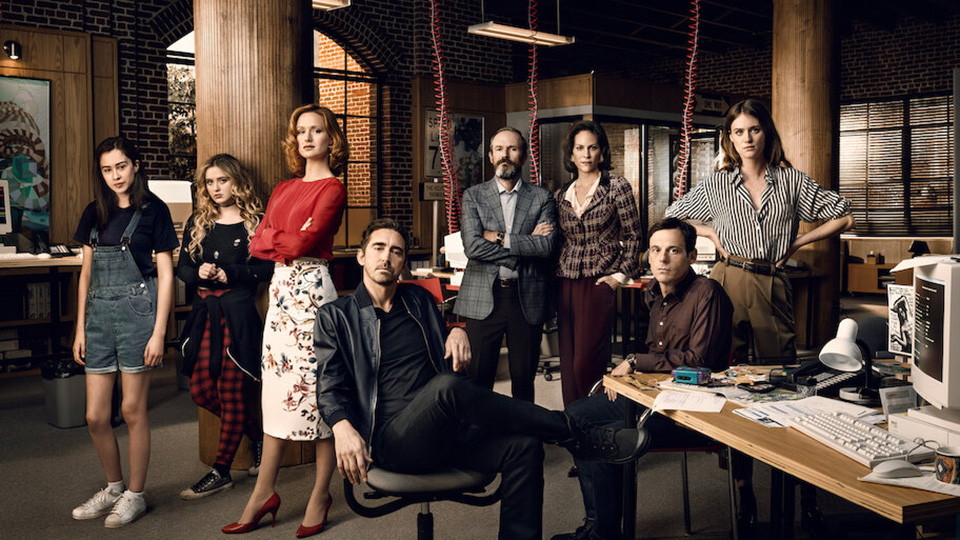
Cameron 值得同情之处
1. 她是 Mutiny 真正的创意灵魂。
Cameron 凭空构建了 SwapMeet——一个疯狂的构想,变成一个生机勃勃的线上社区。她看到它沦为“八位购物中心”时的痛苦并非傲慢,而是目睹自己最初的愿景被商业掏空后的悲凉。她不是在为自尊而战,而是在为她亲手赋予生命的东西而战。
2. 她的担忧并非没有道理。
依赖单一平台(Commodore 64)确实是真实且致命的威胁。Cameron 坚持在上市前实现多元化、进行再投资,是一项长远的生存策略。市场不会等人,但技术的淘汰同样不会。她试图拯救公司于她已清晰预见的未来之中。
3. 她确实遭到了Donna的背叛。
在解雇 Doug 和 Craig 的事上,Donna 两面三刀——对 Cameron 表示可以解雇,暗中又设法留住他们——这是对信任的严重践踏。Cameron 在会上的控诉并非疑心病。在一家靠搭档关系建立起来的公司里,这种口是心非伤人至深,她感到“被背后捅刀”是有事实依据的。
4. 她在一屋子曾经的盟友中被彻底孤立。
她的导师 Bos 恳求中立,却默许了投票的进行。曾与她创意并肩的 Gordon 站到了她的对面。Diane 是 Donna 的同路人。而 Donna 本人,曾是她最亲密的合作者,如今已成了她的对手。Cameron 孤立无援。她的最后通牒既是策略,更是痛苦的呐喊。
5. 她个人的脆弱被当众揭开,用作武器。
Donna 在职业场合讽刺 Cameron 的婚姻撑不过一年,是极重的伤害。早些时候 Cameron 攻击 Donna 的婚姻同样丑陋,但这也暴露出她内心有多深的受伤与孤独。在嘶吼之下,是一个害怕失去所爱一切的女人——她的公司、她的友谊、她的自我认同。
6. 她被一个极其不公的标签打发。
被 Donna 称作“任性的孩子”,并在投票中事实上被当成孩子对待,对于创造了整个公司赖以存在的产品的人来说,是莫大的羞辱。这抹杀了她多年的牺牲、她的才华以及她合理的关切。整个房间选择站在“成熟”叙事一边,抛弃“难搞的艺术家”,是对她整个存在方式的痛苦否定。
7. 她的离开是被迫的,而非自由的选择。
Cameron 并非简单地辞职,而是被逼到了墙角。她是在情绪极度受压、败局已定的那一刻说出“我退出”的。她本质上是被排挤出局的,而其他人默许了这一切,为了公司牺牲了创始人。
1. She is the genuine creative soul of Mutiny.
Cameron built SwapMeet from nothing—a wild idea that became a vibrant online community. Her distress over it turning into “an 8-bit mall” isn’t arrogance; it’s the grief of watching her original vision be hollowed out by commerce. She isn’t fighting for ego; she’s fighting for the thing she gave birth to.2. Her fears are not irrational.
Dependence on a single platform (the Commodore 64) was a real, existential threat. Cameron’s insistence on diversification and reinvestment before an IPO was a long-term survival strategy. The market would not wait, but neither would technical obsolescence. She was trying to save the company from a future she could already see.3. She was genuinely betrayed by Donna.
Donna’s two-faced handling of the Doug and Craig firings—telling Cameron it was fine to fire them while secretly working to keep them—was a profound breach of trust. Cameron’s accusation in the meeting is not paranoia. In a company built on partnership, that kind of duplicity cuts deep, and Cameron’s sense of being “stabbed in the back” is grounded in fact.4. She is isolated in a room full of people who used to be her allies.
Bos, her mentor, pleads neutrality but ultimately allows the vote to happen. Gordon, once her creative brother-in-arms, sides against her. Diane is Donna’s ally. And Donna herself, once her closest collaborator, has become her adversary. Cameron has no one. Her ultimatum is as much a cry of pain as it is a tactic.5. Her personal vulnerabilities are exposed and weaponized.
Donna’s jab about Cameron’s marriage lasting a year is a low blow in a professional setting. Earlier, Cameron’s own attack on Donna’s marriage was equally ugly, but it reveals how deeply hurt and alone she feels. Underneath the screaming, there is a woman terrified of losing everything she loves—her company, her friendships, her sense of identity.6. She is dismissed with a deeply unfair label.
Being called “a petulant child” by Donna, and effectively treated as one by the vote, is humiliating for the person who created the entire product the company is built on. It erases her years of sacrifice, her genius, and her legitimate concerns. The room’s willingness to side with the “adult” narrative over the “difficult artist” is a painful rejection of her whole way of being.7. Her exit is a forced, not a free, choice.
Cameron didn’t simply resign; she was cornered. Her “I quit” was issued in a moment of maximum emotional pressure, after it had become clear the vote would go against her. She was essentially pushed out, and the others let it happen, sacrificing the founder to save the company.