伊丽莎白与宾格利小姐的与犀利与毒舌

伊丽莎白·班纳特和卡罗琳·宾利之间的共同点,比《傲慢与偏见》里任何人愿意承认的都要多。两人都敏锐,两人都迅捷,两人都能用一句恰到好处的话把人击得粉碎。差别不在武器本身——而在她们拿它来对付什么。而赋予她们同一件利器的奥斯汀,正在做出一个极其精确的论断:机智到底是什么,它又如何把一个人最深处的底色暴露无遗。
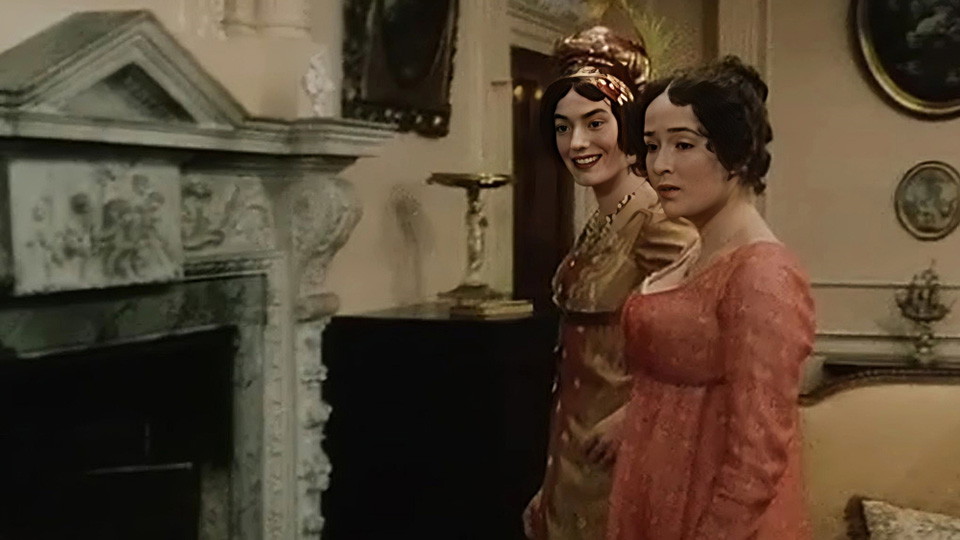
“你不加入我们吗,达西先生?”
“那反倒遂了我的心愿。”
“不是吗——你们走动起来身姿才最为动人,而我恰好可以在我此刻的位置,尽情欣赏。”
“我们该怎么罚他呢,伊丽莎白小姐?”
“这还不简单。逗他,笑他。”
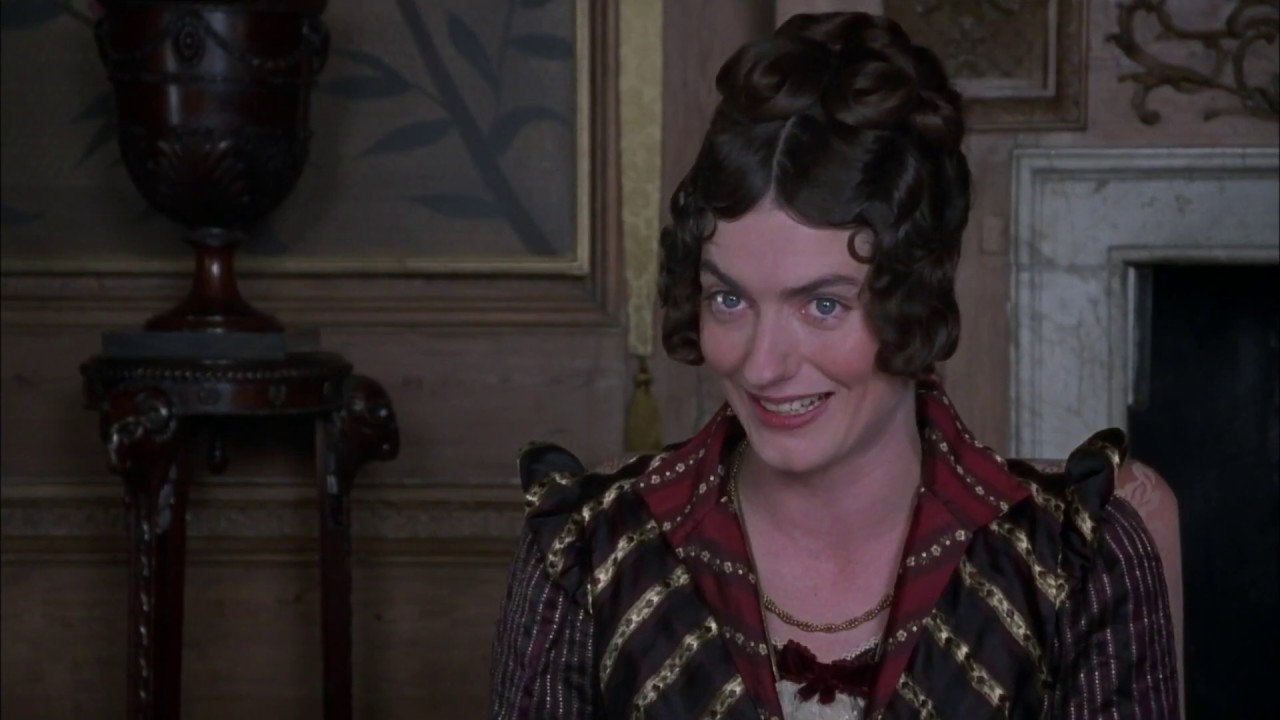
我们来看看,当伊丽莎白踩着泥泞步行三英里去探望生病的姐姐时,卡罗琳·宾利究竟说了些什么。她给出的是这样一番裁断:
“步行三英里、四英里、五英里,管它多少英里,裙摆上溅满泥浆,独自一人,孤零零一个!她这么做究竟安的什么心?依我看,这暴露出一种叫人难以容忍的、自以为是的独立,一种最粗鄙不堪的乡下式的对礼数的漠视。”
“想必你总得承认,她确实是个健步如飞的好手。可她今早那副模样——简直像野人一般。”
“我实在绷不住。她姐姐不过是着了凉,她就在乡间这样乱跑一气,究竟算什么?哈!她的头发,路易莎!还有她那衬裙。”
那不是什么随口闲聊——那是一记精密的打击。她取来一个行为,把它框定为品格的缺陷,再用一副仿佛出自社会关怀的口吻,施施然递了出来,内里却纯粹是进攻。
当达西提起伊丽莎白那双好看的眼睛时,卡罗琳立刻回应,条分缕析地拆解起伊丽莎白的整张脸:
“她的鼻子毫无性格——轮廓平平,毫无可取之处。牙齿还算过得去,但绝不出众。至于她的眼睛,虽有时被人夸作好看,我却从来不曾看出有何非凡之处——那双眼睛透着一股尖利、刻薄。”
“那么我得坦白,我从来就不曾在她身上看见过丝毫美貌。她的脸太瘦,肤色毫无光彩,她的五官……罢了,根本称不上漂亮。”
“您的咖啡在那头。”
逐项点评,从容而毁灭。待到伊丽莎白一离开房间,卡罗琳便转向达西,抛出这样一段话:
“伊丽莎·班纳特正是那样一类年轻小姐——靠着贬低自己的同性,来博取异性的青睐。在许多男人面前,我敢说,这招确实管用。但在我看来,这不过是种卑劣的伎俩,一种极其下作的手腕。”
她正指控伊丽莎白做着她自己眼下正在做的事——用社交表演来吸引达西——而她说得面不改色,滴水不漏。
卡罗琳·宾利绝不愚钝。她机智得令人望而生畏。奥斯汀对此毫不含糊。
“达西先生,晚上好。你这些亲戚可真有意思,伊丽莎白小姐!我相信我们有一位共同的熟人……”
现在,来看伊丽莎白。当达西和卡罗琳一起为“才女”的标准砌起一道高得荒谬的门槛——音乐、语言、绘画、舞蹈、仪态——伊丽莎白静静等着,然后开口:
“你知道六位才女便算多了?我倒奇怪,你居然还知道一位。”
“才女这个词,被滥用在多少不过是描描桌子、裱糊屏风的女人身上。”
“我确实只认识六位真正有才学的年轻小姐。”
“你知道六位才女,达西先生,我已不觉得稀奇了。我倒奇怪,你居然还认识一个。”
一句话,整座高台轰然崩塌。
当达西说她还不值得自己屈尊去邀舞,她大笑。她把这件事当作故事,全拿他取笑。她把账记在心里,日后再拿出来,不差分毫。
而当凯瑟琳夫人亲自驾临浪博恩,威胁她放弃达西时,伊丽莎白说:
“我已下定决心,只按能让自己幸福的方式去行事,完全无需征得您的同意——也无需征得任何与我毫无干系之人的同意。”
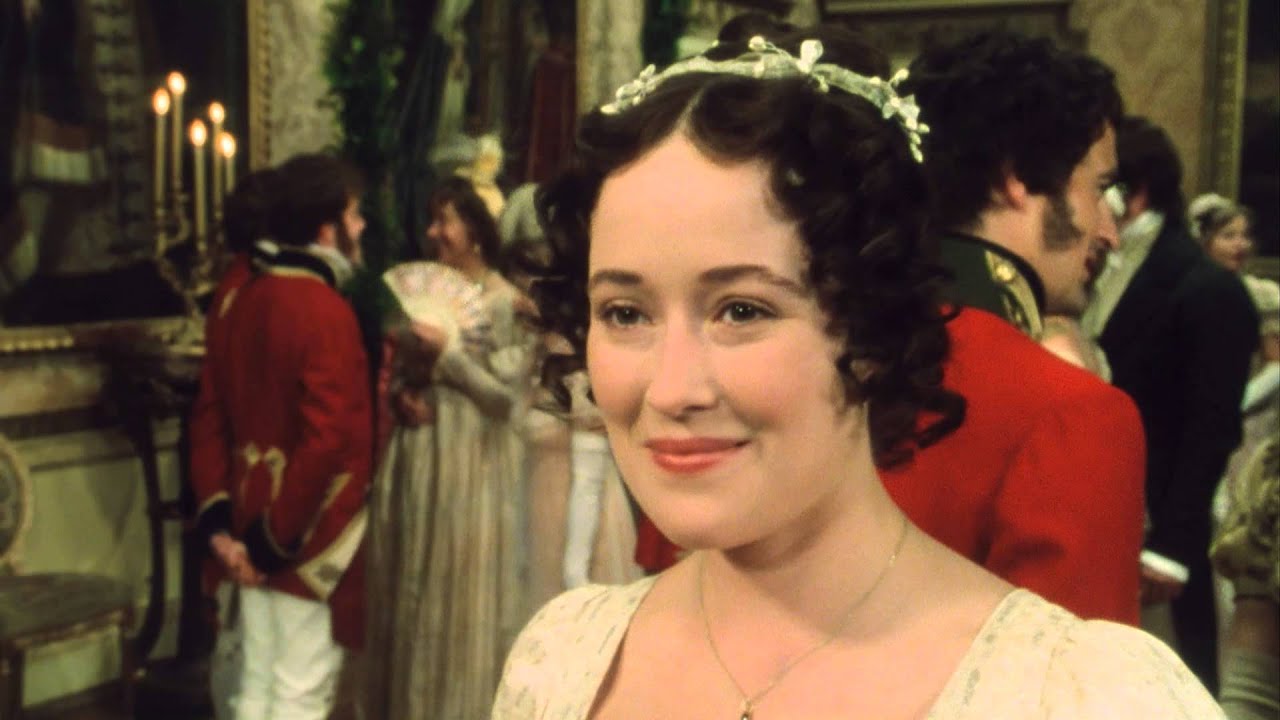
她面对的,是一个动动手指就能在社交上毁掉她的女人。她没有一丝退缩。
这便是奥斯汀真正在展示给我们的东西:卡罗琳与伊丽莎白,拿着同一样天赋——敏捷的头脑,锋利的舌头,读懂场面并比所有人都更快回应的能力。但请看,她们各自把锋芒对准了什么方向。
卡罗琳向下瞄准——对准那些她断定地位不及自己的人,对准没有财产的伊丽莎白,对准那些没能掌握她所精通的那套规则的班纳特一家人。卡罗琳的锋利毫无风险,她只向那些几乎无力还手的靶子开火。
伊丽莎白向上瞄准。她挑战达西——英格兰最富有的男人之一。她挑战凯瑟琳夫人。她挑战那一整座金字塔般的社会等级,这座等级告诉她:你应该为餐桌上掉下的任何一点面包渣而感恩戴德。
关键的区别就在这里:卡罗琳的机智,服务于排斥。她每一句尖刻的话,都是为了将某个人推开,同时将自己拉高。伊丽莎白的机智,服务于真相——即使这样会让她付出代价。
奥斯汀还给了我们一个极具破坏力的细节。当达西最终对卡罗琳那些攻击伊丽莎白的言论做出回应:
“在我相识的人当中,我早已将她视作最漂亮的女性之一。”
卡罗琳再没有剩下什么了。她用整部小说时间打磨的武器,到头来,指向了自己。
“今晚伊丽莎·班纳特看上去真是憔悴极了。我生平从未见过谁像她这样,打冬天以来整个变了个人,你说是吧,亲爱的。达西先生,您怎么说?”
“我没看出什么大的不同。”
一切于此落地。达西身边,尽是属于卡罗琳的那种机智。他已经习惯了智力被当作一种表演,谨慎调用,瞄准妥当的目标,绝不威胁任何握有实权的人物。伊丽莎白是第一个把机智直接使在他身上而毫不道歉的人,而这令他彻底失了方寸——不是因为他接不住锋利,他当然接得住——而是因为伊丽莎白的锋利,是诚实的。他无法把它当成一种社交姿态而打发掉。她不是为了取悦他,也不是为了排斥谁,她只是在告诉他真话。这便是他爱上的东西——不是机智本身,而是那种对他一无所求的机智。
奥斯汀给了伊丽莎白和卡罗琳同一样天赋,然后向我们展示,品性会对天赋做些什么。在卡罗琳手中,机智变成了一道墙——将某些人挡在外面,让自己稳稳地居高临下。在伊丽莎白手中,它变成了一扇门——逼开了那些所有人早已默契地假装不曾存在的话题。一模一样的武器,截然相反的指向。
Elizabeth Bennet and Caroline Bingley have more in common than anyone in Pride and Prejudice would like to admit. Both are sharp. Both are quick. Both can dismantle someone with a single, well-placed sentence. The difference isn’t the weapon — it’s what they use it for. And Austen, who gave them both the same tool, was making a very specific argument about what wit actually is, and what it reveals about the person wielding it.
“Will you not join us, Mr. Darcy?”
“That would defeat the object.”
“Why, that your figures appear to best advantage when walking, and that I might best admire them from my present position.”
“How shall we punish him, Miss Elizabeth?”
“Nothing so easy. Tease him, laugh at him.”Let’s look at what Caroline Bingley actually says when Elizabeth walks three miles through mud to see her sick sister. Caroline delivers this verdict:
“To walk three miles, or four miles, or five miles, or whatever it is, above her ankles in dirt, and alone, quite alone! What could she mean by it? It seems to me to show an abominable sort of conceited independence, a most country-town indifference to decorum.”
“You must allow her to be an excellent walker, I suppose. But her appearance this morning — she really looked almost wild.”
“I could hardly keep my countenance. What does she mean by scampering about the country because her sister has a cold? Ha, ha! Her hair, Louisa! Or her petticoat.”
That’s not a casual remark — that’s a precision strike. She takes one action, frames it as a character flaw, and delivers it in a register that sounds like social concern but is pure attack.
When Darcy mentions Elizabeth’s fine eyes, Caroline responds immediately, methodically dismantling Elizabeth’s entire face:
“Her nose wants character — there is nothing marked in its lines. Her teeth are tolerable, but not out of the common way. And as for her eyes, which have sometimes been called so fine, I could never see anything extraordinary in them — they have a sharp, shrewish look.”
“Then I confess I never did see any beauty in her. Her face is too thin; her complexion has no brilliancy; her features are… well, they’re not at all handsome.”
“Your coffee’s over there.”
Feature by feature. Controlled. Devastating. And when Elizabeth leaves the room, Caroline turns to Darcy and delivers this:
“Eliza Bennet is one of those young ladies who seek to recommend themselves to the other sex by undervaluing their own; and with many men, I dare say it succeeds. But in my opinion it is a paltry device, a very mean art.”
She is accusing Elizabeth of doing exactly what she herself is doing — using social performance to attract Darcy — and she does it with perfect composure.
Caroline Bingley is not unwitty. She is formidably witty. Austen makes that clear.
“Mr. Darcy, good evening. What interesting relatives you have, Miss Elizabeth! I believe I have a mutual acquaintance…”
Now, look at Elizabeth. When Darcy and Caroline establish an impossibly high bar for what counts as an accomplished woman — music, languages, drawing, dancing, deportment — Elizabeth waits, and then:
“I am no longer surprised at your knowing only six accomplished women. I rather wonder at your knowing any.”
“The word is applied to many women who deserve it only for painting tables or covering screens.”
“I only know half a dozen young ladies who are truly accomplished.”
“I’m no longer surprised at you knowing only six accomplished women, Mr. Darcy. I rather wonder you’re knowing any.”
One sentence, the entire argument collapses.
When Darcy tells her she’s not worth dancing with, she laughs. She tells the story at his expense. She files it away and uses it later with precision.
And when Lady Catherine arrives at Longbourn to intimidate her into giving up Darcy, Elizabeth says:
“I am only resolved to act in that manner, which will in my own opinion constitute my happiness without reference to you — or to any person so wholly unconnected with me.”
To a woman who could destroy her socially — without flinching.
Here’s what Austen is actually showing us: Caroline and Elizabeth both have the same gift. Quick minds, sharp tongues, the ability to read a room and respond faster than anyone else. But look at the direction each of them fires.
Caroline aims down — at people she’s decided are beneath her, at Elizabeth who has no fortune, at the Bennet family who don’t follow the rules she’s mastered. There is no risk in Caroline’s sharpness; she only fires at targets that can’t easily fire back.
Elizabeth aims up. She challenges Darcy, one of the wealthiest men in England. She challenges Lady Catherine. She challenges the entire social hierarchy that says she should be grateful for whatever crumbs fall from the table.
And here’s the crucial difference: Caroline’s wit serves exclusion. Every sharp remark she makes is designed to push someone out and pull herself up. Elizabeth’s wit serves truth — even when it costs her something.
Austen gives us one more devastating detail. When Darcy finally responds to Caroline’s attacks on Elizabeth:
“I have considered her as one of the handsomest women of my acquaintance.”
Caroline has nothing left. The weapon she spent the entire novel sharpening turned out to be pointing at herself.
“How very ill Eliza Bennet looks this evening. I’ve never in my life seen anyone so much altered as she is since the winter, quite so, my dear. What do you say, Mr. Darcy?”
“I noticed no great difference.”And this is where it lands. Darcy is surrounded by Caroline’s kind of wit. He’s used to intelligence being performed, deployed carefully, aimed at the right targets, never threatening anyone with real power. Elizabeth is the first person who uses wit on him directly, without apology, and it unsettles him completely — not because he can’t handle sharpness, he can — but because Elizabeth’s sharpness is honest. He can’t dismiss it as social positioning. She’s not trying to impress him or exclude anyone; she’s just telling him the truth. That’s what he falls in love with — not wit itself, but wit that doesn’t need anything from him.
Austen gave Elizabeth and Caroline the same gift, and then she showed us what character does to a gift. In Caroline’s hands, wit becomes a wall — keeping certain people out, keeping herself safely above. In Elizabeth’s hands, it becomes a door — forcing open conversations that everyone else has agreed to avoid. Same weapon, completely different purpose.