
这篇文章将热播剧《绝望主妇》与加缪的荒诞哲学并置,提出怀斯特里亚巷的主妇们实为“日常生活中的哲学家”。作者以西西弗斯推石神话为隐喻,指出剧中女性的家务、育儿、婚姻维系等循环往复的劳作,与徒劳而无终点的荒诞境遇高度同构——她们每天“推石上山”,却难有真正的完成或满足。同时,剧中人物彼此相邻却各自隐瞒秘密,呼应了存在主义关于“人最终孤独”的命题。然而,文章也指出加缪的反讽式英雄主义:明知生活琐碎无意义,却依然选择继续前行、继续应对,这种坚持本身或许就是意义的来源。整篇评论以流行文化为入口,既生动又具批判性地探讨了绝望、重复与救赎之间的哲学张力,但亦警示了将深刻思想简化为情感标签的风险。

当苏珊·梅耶意识到她的婚姻出了问题时,哲学终究是罪魁祸首。她的前夫援引亨利·戴维·梭罗的话告诉她:大多数男人过着一种平静而绝望的生活。而这部热播电视剧《绝望主妇》所预设的前提是——大多数女人也是如此。或者,用苏珊的话说:“真的吗,大多数女人过的是一种喧闹而充实的生活?”
她的前夫,和我们所有人一样,是一位哲思者。哲学无处不在——在我们身处的文化里,在我们收看的电视节目中,在我们翻阅的杂志里。我们所有人,都是各种哲学问题、议题、争论、混淆与困惑的作者、制片人、导演、主角和客串明星——尽管大多数时候,我们对此毫无察觉。如果你在生活,并且曾思考过生活,你就是哲学家。
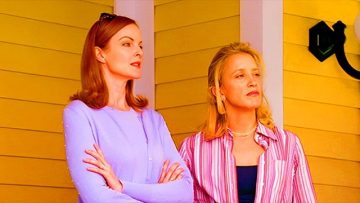
紫藤巷——美国最绝望的地方,也是第四频道热门剧集的背景地——的居民们,或许有着健身房塑造的身材和名牌内衣,看起来不像哲学家,但她们恰恰就是。
白色的尖桩篱栅和精心修饰的指甲,与人类生存的残酷现实形成鲜明对比。琳内特·斯卡沃,三个多动症孩子加一个婴儿的母亲,绝望地希望丈夫别再让她怀孕。情感压抑的布丽·范·德·坎普,丈夫想离开她,而她绝望到试图杀了他,也不愿让他得逞。加布里埃尔·索利斯绝望地希望丈夫不要发现她与少年园丁的私情——没有比一个穿着晚礼服修剪草坪的女人更能象征绝望的画面了。离了婚的苏珊则绝望地渴望与街上新来的男人——水管工迈克——约会。
绝望显然很卖座:440万英国观众不会都错吧?法国存在主义哲学家、人类境况的记录者阿尔贝·加缪,对绝望了如指掌。他以西西弗斯的神话作为人类生存的主旋律——西西弗斯是个冒犯了众神的凡人,他的惩罚是把一块巨石推上山顶。每次到达山顶,巨石又会滚落下来,他只得从头再来。如此往复——永无止境。这其中最可悲的,并非劳作本身多么艰难。真正的恐怖在于其彻底的徒劳。它没有一个可企及的目标,也没有任何东西能算作它的完成。
将此与泰瑞·海切尔对她生活的描述比较一下:“我每天六点起床,”她说,“做午餐,清理猫砂盆,喂狗和鸟,做早餐,然后开车45分钟去学校。回到家,我努力振作起来,好让自己看起来像个有魅力的人,或者去上班。天哪,我居然还想试着去约会。”
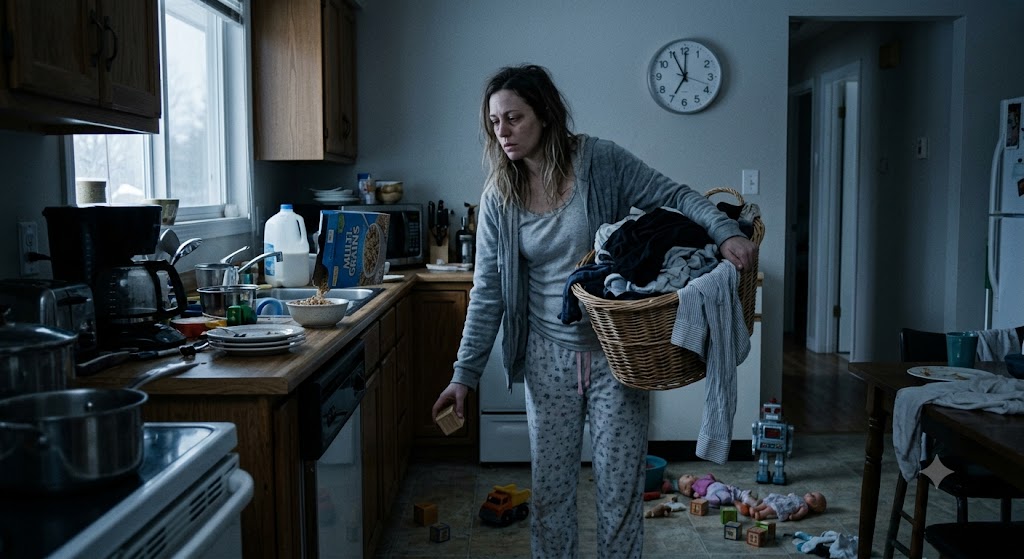
这番描述大概能引起我们多数人的共鸣。海切尔没说这种忙碌是否让她快乐。但正如西西弗斯一样,快乐并非关键。她这些活动的目的是什么?好让小海切尔们长大,然后做几乎同样的事。加缪的要点在于:每个人生命中的每一天,都像是西西弗斯走向山顶的一次旅程。
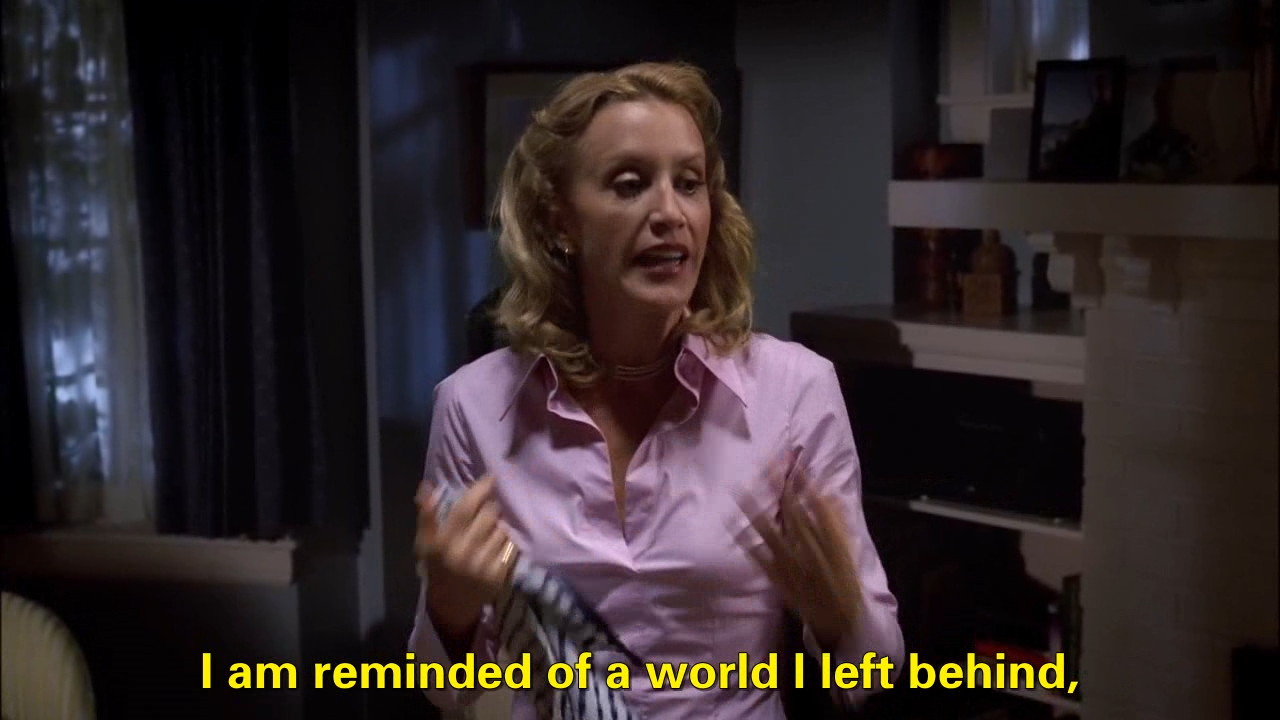
在所有这些中,存在主义者认为,我们终究是孤独的。乍一看,《绝望主妇》里的女人们似乎彼此相伴。但若深入细看后续剧情,那种现实——正如强迫症驱动的完美主义者布丽所指出的——“我们到底有多想真正了解我们的邻居?”毕竟,她们最好的朋友在第一集就因某个黑暗的家庭秘密而自杀身亡。我的意思是:我们都有各自的秘密,有些像无心之失一样无伤大雅,有些则是我们不愿提及的隐痛。通常,我们对他人而言是一本合上的书,反之亦然。结果,正如旁白玛丽·爱丽丝·杨所说:“孤独,是我的朋友们再熟悉不过的东西。”
面对这充斥着我们生活的徒劳与疏离,我们能做些什么?加缪有一个直截了当的解决方案:自杀。而玛丽·爱丽丝正是这么做的——在第一集中,她完成了每日家务清单后,便自杀了,从而拉开了整个故事的序幕。也许她读了太多加缪,就像苏珊的前夫显然过量服用了梭罗?也许是某个以哲学为基础的读书会,要为怀斯特里亚巷的种种磨难负责?
反过来说,加缪认为——而这正是哲学反讽的精髓所在——继续活着,继续应对生存中那些无意义的琐碎,本身就是一种伟大的英雄主义;如此伟大,以至于它或许真的能给生命赋予意义。这一点,值得琳内特·斯卡沃下次她的孩子们在同学身上手绘涂鸦时好好想一想。
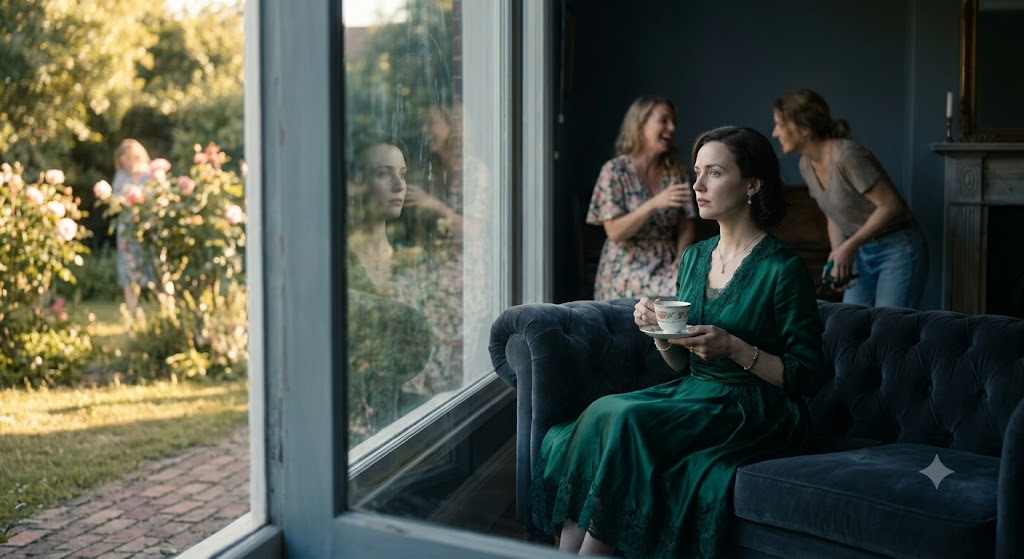
Have the Housewives read too much Camus? (西西弗斯姐妹们:绝望乃人类境况的一部分)
Sisyphus sisters: desperation is part of the human condition, The residents of Wisteria Lane might not look like philosophers, but that’s what they are, says Mark Rowlands (紫藤巷的居民们看起来或许不像哲学家,但马克·罗兰兹认为,她们恰恰就是。)
When Susan Meyer realised her marriage was in trouble, philosophy was ultimately to blame. Paraphrasing Henry David Thoreau, her ex-husband told her that most men lead lives of quiet desperation. The premise upon which the hit television series Desperate Housewives is built is that so, too, do most women. Or, as Susan puts it: “Really, do most women lead lives of noisy fulfilment?”
Her ex-husband, like the rest of us, is a philosopher. Philosophy is all around us, in the culture we inhabit, in the television programmes we watch and the magazines we read. All of us are the authors, producers, directors, stars and guest stars in various philosophical questions, issues, disputes, conflations and confusions – even though, most of the time, we have no idea of this. If you live life, and ever think about it, you’re a philosopher.
The residents of Wisteria Lane, the most desperate place in America and the setting for Channel 4’s hit drama series, might not look like philosophers, with their gym-toned bodies and designer underwear, but that’s exactly what they are.
The picket fences and polished fingernails are in stark contrast to the harsh realities of human existence. Lynette Scavo, the mother of three ADD children and a baby, is desperate for her husband to stop getting her pregnant. The emotionally repressed Bree Van De Kamp has a husband who wants to leave her, and she is desperate enough to try to kill him rather than letting him do so. Gabrielle Solis is desperate that her husband doesn’t find out about her affair with her teenage gardener – there can be no better image of desperation than a woman in a ballgown mowing the lawn. And divorcée Susan is desperate for a date with the new man on the street, Mike the plumber.
Desperation clearly sells: 4.4 million British viewers can’t be wrong, can they? Albert Camus, the French existentialist and chronicler of the human condition, knew all about desperation. He took, as a leitmotif for human existence, the myth of Sisyphus, a mortal who had offended the gods; his punishment was to roll a huge rock up a hill. When he reached the top, it would roll back down, and he would have to begin all over again. And that was it – for eternity. What seems so unfortunate about this isn’t that the work is difficult. The real horror lies in its sheer futility. There is nothing that it aims at, and nothing that could count as its fulfilment.
Compare this with Teri Hatcher, and her description of her life: “I get up at six every day,” she says. “I make the lunch. I clean the litter-box. I feed the dog and the bird. I make breakfast and then I drive 45 minutes to school. I get home and I try to pull myself together so I can look like an attractive human being or come to work. And God forbid I actually try to have a date.”
This description probably resonates with most of us. Hatcher does not say whether this frenetic activity makes her happy. But, just as with Sisyphus, happiness is not the point. What is the purpose of her activities? So that the little Hatchers can grow up and do pretty much the same. Camus’s point was that each day of each person’s life is like one of Sisyphus’s journeys to the summit.
In all of this, the existentialists thought, we are ultimately alone. At first glance, the Desperate Housewives were seemed to having each other around. But if you take a deep dive into the following episode, that reality, as Bree, the OCD-driven perfectionist pointed out: “How much do we really want to know about our neighbors?”.
After all, their best friend kicked off the series by committing a suicide as a result of some dark family secret. My point being: we all have our secrets, some are as innocent as honest mistakes, some are referred to us as skeletons in our closet. Often, we are a closed book to others and the same may applies to the other side as well. The result, as Mary Alice Young, the narrator puts it, is that: “Loneliness is something my friends understood all too well.”
Is there anything to be done about the futility and alienation that characterise our lives? Camus had a straightforward solution: suicide. And suicide is precisely what Mary Alice did to get the ball rolling in episode one, after completing a list of daily chores. Perhaps she had been reading too much Camus, just as Susan’s ex-husband had apparently been overdosing on Thoreau? Perhaps a philosophy-based reading group was responsible for the tribulations of Wisteria Lane?
Conversely, Camus thought – and this is philosophical irony at its best – that continuing to live, continuing to deal with the meaningless trivialities of existence, is an act of great heroism; so great that it might actually give life meaning. Something for Lynette Scavo to think about the next time her children hand-paint a classmate.