

围绕本片导演萨姆·门德斯与女主演凯特·温丝莱特的夫妻关系,还有就是男主演莱昂纳多·迪卡普里奥与凯特的花边新闻,以及2010年之后萨姆·门德斯与凯特的离婚事实。做出推想。有没有可能导演在拍此片的时候已经与凯特的婚姻名存实亡(该片于2018年底上线),想藉由此片传递某种信息,或表达某种观点、暗示?

关于《革命之路》的原著作者理查德·耶茨:
理查德·耶茨(Richard Yates,1926年2月3日—1992年11月7日),美国小说家,被文学史长期不公正对待的大师,被遗忘的最优秀的美国作家。耶茨出生于纽约州扬克斯市,一生落魄不堪,烟鬼兼酒鬼,共著有长篇小说7部,短篇小说集2部。1961年,其极富盛名的处女作《革命之路》(Revolutionary Road)发表,引起轰动,与《第22条军规》、《看电影的人》一同入围美国国家图书奖。其首部短篇小说集《十一种孤独》(Eleven Kinds of Loneliness)于次年出版,被评论界誉为“纽约的《都柏林人》”。他后来接连创作了长篇小说《扰乱和平》(Disturbing the Peace,1975)、《复活节游行》(The Easter Parade,1976)、《好学校》(A Good School,1978)、《年轻的心在哭泣》(Young Hearts Crying,1984)、《冷泉港》(Cold Spring Harbor,1986)等。耶茨有“作家中的作家”之称,艺术风格影响了雷蒙德·卡佛、安德烈·杜波依斯等文学大家。美国很多作家都对耶茨赞誉有加,如著名黑色幽默作家科尔特·冯内古特。
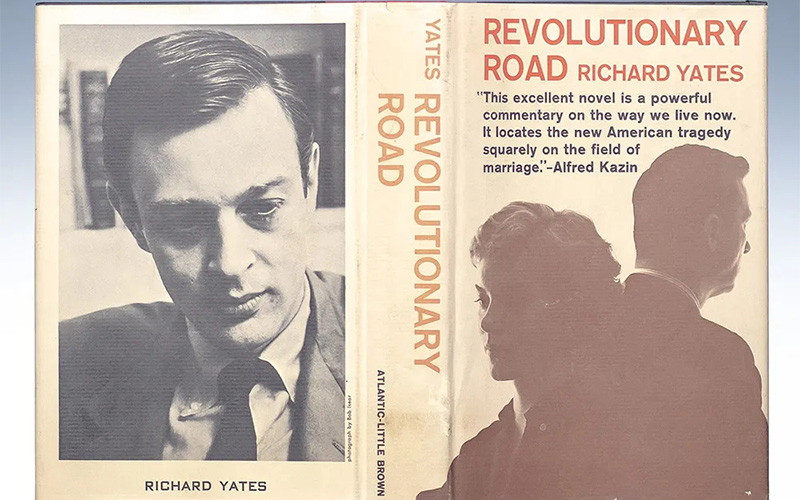
《革命之路》系美国被忽视的文学大师理查德·耶茨的处女作,也是他最广为人知的作品,出版于1961年,当年即获得美国国家图书奖提名,与《第22条军规》、《看电影的人》一同入围;2005年又被《时代》周刊评为百大英语小说经典之一。2009年1月,根据原著改编的同名电影一举摘得金球奖剧情片最佳女主角桂冠,并获得奥斯卡奖提名。
20世纪50年代,弗兰克和爱波夫妇生活在郊外革命路上的革命山庄。弗兰克是个上班族,爱波在家养育一对儿女,兼做业余演员。天长日久,两人厌倦了这种无聊的生活,争吵不休。爱波建议他们抛弃革命山庄的一切,迁往巴黎寻找激情与梦想。弗兰克知道后很是兴奋,但别人并不以为然。恰在此时,他得到难得的晋升机会,爱波也再次怀孕。
大好前途当前,弗兰克背叛了自己当初的想法,并设法要妻子留下。但他的计划被戳穿,爱波与其大吵一番后,决定流产,意外发生了……深受打击…
Between Fiction and Reality: The Dangerous Dance of Art and Life
To clarify the timeline: Revolutionary Road was released in December 2008, while Sam Mendes and Kate Winslet announced their separation in 2010, finalizing their divorce in 2011. This chronological gap lends eerie plausibility to the theory that the film foreshadowed their marital collapse, though the truth may lie in subtler nuances—
⏳ The Uncanny Timeline
- 2003: Sam and Kate marry, with her publicly calling him her “soulmate.”
- 2008: During filming, Kate confessed to the press that “certain scenes left me sobbing at home.”
- 2010: Their divorce statement cited “growing apart due to prolonged work separations.”
Chilling Parallel:
April’s accusation to Frank—“You were just some boy who made me laugh at a party”—mirrors Kate’s earlier remark that “Sam captivated me with his wit.”
🎬 Three Layers of Art-Life Mirroring
1. The Director’s Subconscious Projection
As a British theatrical elite, Mendes’ works often explore trapped souls beneath perfection (see American Beauty). While directing this film, he might have been grappling with:
- Reflections on the “power couple” dynamic
- Creative power struggles with an artist-spouse (Kate insisted on improvising pivotal scenes)
2. Kate’s Dangerous Immersion
She admitted, “Playing April, I sometimes feared I wasn’t acting.” When April coldly declares, “I loathe the sight of you,” the camera captures Sam’s rigid expression at the monitor. The scene was shot in one take, but crew members recalled “a deathly silence on set afterward.”
3. Leonardo’s Mirror Crisis
As Kate’s closest real-life male confidant, he struggled through 17 takes during a marital showdown, later admitting: “Looking into Kate’s eyes while delivering those lines felt like destroying something real.” Media-fueled “Leo-Kate romance” rumors eerily mirrored the film’s idealized past lover vs. marital decay theme.
🔎 Clues in Cinematic Language
- Spatial Entrapment: Doorframe compositions cage the couple, contrasting with Mendes’ later free-flowing camerawork in 1917.
- Physical Distance: Intimate scenes separate the couple with furniture (tables/stairs), while Kate and Leo’s embraces break visual barriers.
- Color Betrayal: April’s red dress darkens to a blood-scab hue during the divorce scene, echoing Kate’s post-divorce crimson gown at her first public appearance.
⚠️ The Limits of Speculation
Despite tantalizing coincidences, caution is needed:
- The film adapts Richard Yates’ 1961 novel, predating the couple’s marriage.
- Mendes denies autobiographical intent, calling marital tragedy “collective trauma.”
- Kate continued collaborating with Sam post-divorce, proving professional respect endured.
A More Likely Truth:
The film may have served as a subconscious early-warning system for their marriage, not a deliberate farewell. Like April’s Paris plan—both salvation and self-destruction—artists often rehearse unrealized traumas through their work. The characters absorbed the collapse their creators feared to live.
🌪️ An Eternal Cinematic Paradox
When Kate attended a 2013 event with her child from a third marriage, paparazzi caught Sam gazing at them from a distance—a look hauntingly reminiscent of Frank watching April leave. Here, art and life converge: Perhaps they used this film to prematurely bury love’s most devastating demise.

虚实之间:艺术与生活的危险共舞
先澄清下萨凯两人的分道扬镳时间线:《革命之路》实际于2008年12月上映,而萨姆·门德斯与凯特·温斯莱特于2010年宣布分居,2011年正式离婚。这一时间差让”借电影预言婚姻破裂”的猜想更具戏剧张力,但真相或许比虚构更微妙——
🕰️ 时间线不可思议的巧合
- 2003年:萨姆与凯特结婚,同年她公开称他为”灵魂伴侣”
- 2008年:拍摄《革命之路》期间,凯特曾向媒体透露”某些戏份让我回家后痛哭”
- 2010年:离婚声明中强调”因工作长期分居导致疏远”
细思极恐的细节:
电影中April对Frank的控诉——”你只是某个在派对上逗笑我的男孩”——与凯特曾说”萨姆最吸引我的是他让我大笑”形成镜像反射。
🎭 戏里戏外的三重映射
1. 导演的潜在投射
萨姆作为英国戏剧界精英,作品中常出现被困在完美表象下的崩溃者(参见其《美国丽人》)。选择拍摄本片时,他或许正在经历:
- 对”才子佳人”婚姻模式的反思
- 艺术家伴侣间的创作权力博弈(凯特坚持亲自演绎大量即兴发挥)
2. 凯特的危险献祭
她在采访时承认:”扮演April时,某些瞬间我害怕自己不是在表演。” 尤其当April冷笑说”我厌恶看见你”时,镜头捕捉到萨姆在监视器前的僵硬表情。这场戏最终一条过,但剧组人员回忆”拍摄后片场死寂了十分钟”。
3. 莱昂纳多的镜像困境
作为凯特现实中最亲密的异性朋友,他在拍摄夫妻对峙戏份时曾NG17次,事后坦言:”看着凯特的眼睛说出那些台词,仿佛在摧毁某种真实存在的东西。” 媒体渲染的”李凯恋”绯闻,恰似电影中理想化旧情人对现实婚姻的隐喻。
🔍 被镜头语言出卖的潜意识
- 空间囚禁:大量门框构图将夫妻困在画面中,与萨姆后期作品《1917》的自由长镜头形成鲜明对比
- 身体疏离:夫妻亲密戏始终隔着家具(餐桌/楼梯),而凯特与莱昂纳多的拥抱镜头却充满破框动势
- 色彩背叛:April的红色连衣裙在离婚场景中变成血痂般的暗红,与凯特离婚后首度公开亮相的红色礼服形成互文
⚠️ 谨慎的推测边界
尽管存在诸多”巧合”,但需警惕过度解读:
- 电影改编自理查德·耶茨1961年的小说,核心文本早于主创婚姻
- 萨姆始终否认作品的自传性,称”所有婚姻悲剧都是集体潜意识”
- 凯特离婚后仍出演萨姆执导的剧场作品,证明专业关系的延续
更可能的真相:
这部作品或许是婚姻危机的潜意识预警系统,而非刻意设计的告别信。就像April的巴黎计划既是自救也是自毁,艺术家常通过创作预演未发生的创伤——戏中人替他们承受了现实中的崩溃。
关于电影《革命之路》的导演,萨姆·门德斯其人 (个人生平、人生经历、作品年表)

塞缪尔·亚历山大·“萨姆”·门德斯爵士,CBE(英语:Sir Samuel Alexander “Sam” Mendes,1965年8月1日—),英国演员及导演。他曾获得两次劳伦斯·奥利维尔奖。1998年获托尼奖。1999年执导的电影《美国丽人》获奥斯卡最佳导演奖。2012年作品《007大破天幕杀机》获得全球过11亿美元的票房和诸多好评。
门德斯生于英国伯克郡雷丁,父亲有葡萄牙血统,母亲是犹太人。1992年担任Donmar Warehouse(伦敦当玛仓库剧院)艺术指导。1994年参与《奥利弗!》(依《雾都孤儿》改编)演出。
他经常合作的人员包括英国摄影师罗杰·迪金斯。2016年担任第73届威尼斯电影节评审团主席。
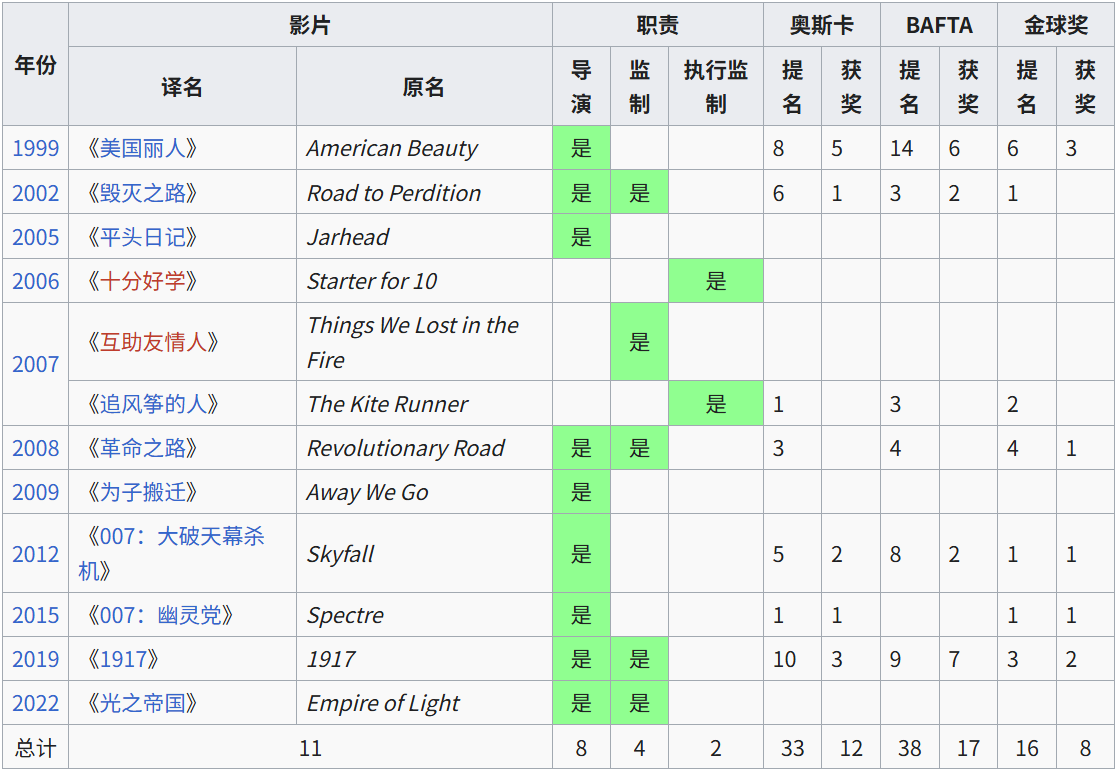
萨姆·门德斯:在戏剧与电影的裂缝中雕刻人性暗河

一、从莎士比亚剧场到好莱坞神殿:跨界天才的诞生
生平脉络
- 1965年:生于英国伯克郡,葡萄牙裔父亲与英国母亲的混血基因,幼年父母离异的创伤成为其作品核心母题
- 剑桥求学:英文系高材生,导演学生版《卡门》时被发现戏剧天赋,毕业后直接进入奇切斯特节日剧院
- 戏剧封神:30岁前完成莎士比亚全集导演,1998年以《歌舞线上》横扫托尼奖6项大奖,至今仍是西区神话
- 电影触电:1999年处女作《美国丽人》斩获5座奥斯卡,创非美国导演首作最高纪录
人生转折点
2005年与凯特·温斯莱特结婚,这段持续7年的婚姻深刻影响其创作轨迹。《革命之路》中夫妻撕扯的镜头语言,被《卫报》称为”导演在手术台上解剖自己的婚姻”。
二、电影语法的三重变奏
1. 中产阶级解剖刀(1999-2008)
- 《美国丽人》:透过玫瑰花瓣坠落镜头,解构物质丰裕下的精神阉割
- 《革命之路》:用对称构图囚禁婚姻,门框成为无形的精神牢笼
- 风格印记:对餐桌戏的病态迷恋,在《纽约客》影评人David Denby看来,”刀叉碰撞声比枪战更惊心动魄”
2. 类型片炼金术(2012-2015)
- 《007:大破天幕杀杀机》:将间谍片拍成存在主义悲剧,M夫人的死亡场景被《帝国》杂志评为”最具文学性的动作时刻”
- 《007:幽灵党》:在商业巨制中植入俄狄浦斯情结,证明其”在爆米花电影里藏哲学论文”的能力
3. 战争史诗的现代性重构(2019-至今)
- 《1917》:伪一镜到底技术,实为对战争本质的终极追问——当死亡成为连续不断的当下,英雄主义只是幸存者的幻觉
- 《光之帝国》:通过电影院空间,完成对电影本体的形而上学沉思
三、精神图谱:五个关键词解码门德斯
1. 窗棂美学
从《美国丽人》的飘窗到《革命之路》的落地窗,玻璃始终作为情感屏障存在。法国电影理论家Jean-Michel Frodon指出:”他的镜头永远在窗外窥视,如同上帝在观察培养皿里的细菌”
2. 父权废墟
《毁灭之路》中弑父情结,《007:天幕杀机》里M与邦德的畸形母子关系,构成对传统男性气质的持续爆破。《好莱坞报道者》称其”亲手肢解了阳刚神话”
3. 空间诗学
皇家莎士比亚剧团经历塑造其独特的空间感知:《1917》战壕的子宫隐喻,《光之帝国》放映厅的光影神学,证明其”用空间讲故事胜过用台词”(《视与听》评)
4. 色彩暴政
- 红色:《美国丽人》玫瑰浴缸→《革命之路》流产血泊→《1917》燃烧教堂,串联起欲望-死亡-救赎三部曲
- 蓝色:《天幕杀机》的深海窒息感到《光之帝国》的银幕幽光,冷色调成为现代性焦虑的视觉锚点
5. 声音牢笼
与作曲家托马斯·纽曼持续合作24年,创造独特的”听觉囚禁”效果:《革命之路》火车声碾压婚姻,《1917》钟表滴答声制造生理压迫
四、争议与超越:未被加冕的哲学导演
批评声浪
- 《卫报》指责其”用英国戏剧的精致刀法肢解美国梦,却从不提供缝合方案”
- 电影学者David Bordwell批评《1917》”技术奇观吞噬人性表达”
精神嫡传
在诺兰的时空魔术与维伦纽瓦的科幻史诗之间,门德斯开辟第三条道路:将契诃夫式的日常悲剧,注入希区柯克的悬疑基因。正如其自述:”我拍的从来不是故事,是人类关系中的量子纠缠”
历史定位
当同龄人沉迷元宇宙与AI时,这位坚持用35mm胶片拍摄战争片的导演,始终在追问:在技术狂欢的时代,如何用古典主义手法捕捉人性的幽微震颤?或许正如《好莱坞报道者》所言:”他是数字化浪潮中最后的羊皮卷书写者,在观众心里凿刻比IMAX更辽阔的精神银幕”。
结语:未完成的革命者
从莎士比亚环球剧院走到奥斯卡颁奖台,门德斯始终在戏剧性与电影性的鸿沟上走钢丝。他的作品像精密手术,切开中产幻梦、男性神话、战争荣光,却从不缝合伤口。这种”冷酷的慈悲”,恰是后现代语境下最稀缺的艺术品格——在解构一切的时代,坚持当那个举着解剖刀的人文主义者。
Sam Mendes: Carving Humanity’s Undercurrents in the Chasm Between Theater and Film
I. From Shakespearean Stages to Hollywood Altars: The Birth of a Cross-Disciplinary Genius
Biographical Threads
- 1965: Born in Berkshire, England, to a Portuguese father and British mother. The trauma of parental divorce in childhood became a core motif in his works.
- Cambridge Years: Excelled in English literature, discovered his theatrical genius while directing a student production of Carmen. Joined Chichester Festival Theatre immediately after graduation.
- Theatrical Deification: Directed the complete works of Shakespeare before turning 30. Swept 6 Tony Awards with Cabaret (1998), still a West End legend.
- Cinematic Ascent: His debut film American Beauty (1999) won 5 Oscars, setting a record for a non-American director’s first feature.
Pivotal Moments
His 7-year marriage to Kate Winslet (2003-2010) profoundly shaped his artistic trajectory. The Guardian described Revolutionary Road‘s marital clashes as “the director dissecting his own marriage on the operating table.”
II. Triple Variations of Cinematic Grammar
1. Middle-Class Dissection (1999-2008)
- American Beauty: Deconstructs spiritual castration beneath material wealth through falling rose petals.
- Revolutionary Road: Uses symmetrical framing to imprison marriages, where doorways become psychological cages.
- Stylistic Signature: Obsession with dinner table scenes. New Yorker critic David Denby noted: “The clinking of cutlery feels more explosive than gunfire.”
2. Genre Alchemy (2012-2015)
- Skyfall: Transforms a spy thriller into existential tragedy. M’s death scene was hailed by Empire as “the most literary action moment ever filmed.”
- Spectre: Implants Oedipal complexes into blockbuster formulas, proving his ability to “hide philosophical treatises in popcorn flicks.”
3. Modernist War Epics (2019-Present)
- 1917: The pseudo-single-take technique interrogates war’s essence—when death becomes a relentless present, heroism is but survivors’ illusion.
- Empire of Light: Meditates on cinema’s ontology through the architecture of a movie theater.
III. Psychological Blueprint: Five Keys to Decoding Mendes
1. Windowpane Aesthetics
From American Beauty‘s floating windows to Revolutionary Road‘s glass walls, barriers symbolize emotional isolation. French theorist Jean-Michel Frodon observed: “His lens forever peers through windows like God observing bacteria in petri dishes.”
2. Patriarchal Ruins
Patricide in Road to Perdition, the twisted mother-son dynamic between M and Bond in Skyfall. The Hollywood Reporter noted he “dismantles masculinity myths with surgical precision.”
3. Spatial Poetry
Shaped by Royal Shakespeare Company training: 1917‘s trench-as-womb metaphor, Empire of Light‘s projection booth theology. Sight & Sound praised his “ability to narrate through space rather than dialogue.”
4. Chromatic Tyranny
- Red: From rose petals in American Beauty to abortion blood in Revolutionary Road and flaming churches in 1917—a trilogy of desire-death-redemption.
- Blue: From Skyfall‘s suffocating ocean depths to Empire‘s silver-screen glow, cool tones anchor modern anxiety.
5. Sonic Confinement
24-year collaboration with composer Thomas Newman creates “auditory imprisonment”: train noises crushing marriages in Revolutionary Road, ticking clocks inducing claustrophobia in 1917.
IV. Controversy and Transcendence: The Uncrowned Philosopher-Director
Criticisms
- The Guardian accused him of “dissecting the American Dream with British theatrical precision but never offering sutures.”
- Scholar David Bordwell dismissed 1917 as “technical spectacle devouring human expression.”
Artistic Legacy
Between Nolan’s time-bending and Villeneuve’s sci-fi sagas, Mendes forges a third path—infusing Chekhovian tragedy with Hitchcockian suspense. As he stated: “I don’t film stories, but quantum entanglements in human relationships.”
Historical Position
While peers chase metaverses and AI, this advocate of 35mm filmmaking persists in asking: How to capture humanity’s tremors through classical techniques in a digital age? The Hollywood Reporter concluded: “He’s the last parchment scribe in the digital deluge, carving mental IMAX screens in viewers’ souls.”
Epilogue: The Unfinished Revolutionary
From Shakespeare’s Globe to Oscar podiums, Mendes forever walks the tightrope between theatricality and cinematic purity. His works perform precise surgeries on middle-class delusions, masculine myths, and war glorification—yet never suture the wounds. This “ruthless compassion” embodies art’s rarest virtue in postmodernity: being a humanist with a scalpel in an age of deconstruction.
🌪️ 留给影迷的永恒谜题
当2013年凯特带着与第三任丈夫所生的孩子出席活动,萨姆被拍到在角落凝视他们的眼神,与电影中Frank目送April离去的镜头惊人相似。艺术与生活在此刻完成闭环:或许他们都在用这部电影,提前埋葬了爱情最惨烈的死法。

📽️ 教学导读:《革命之路》—— 困在糖衣里的呐喊
【献给所有“清醒的溺水者”】
John:You get cold feet? 你害怕了?
——>> You decide you‘re better off here after all? 你觉得还是在这里好?
——>> You figure it’s more comfy 你觉得还是守着这
——>> here in the old hopeless emptiness after all, huh? 令人绝望的空虚生活比较舒适, 嗯?
——>> Oh, wow, that did it. Look at his face. 猜对了, 看看他的脸
——>> What’s the matter, Wheeler? Am I getting warm? 怎么了, 惠勒? 被我说中了?
游戏隐喻:源自儿童捉迷藏游戏(Hot and Cold),当寻找者靠近目标时,其他人会喊”You’re getting warm!” 话中有刺:John把自己比作”猜谜者”,把Frank的隐私当游戏,暗示”我是不是戳中你的痛处了?”
John’s father: All right, Son. I think we’d better be… 够了儿子, 我看我们还是…
John:You know something? – 知道不?
——>> I wouldn’t be surprised if he knocked her up on purpose 如果说他是故意让她怀孕informal and often slang expression with two main meanings, depending on regional usage:
In American English (slang):
To impregnate someone, usually unintentionally. 意为让某人怀孕,通常是意外的情况。
Example: He accidentally knocked her up during their summer fling. 他在那个夏天的一段短暂关系中不小心让她怀孕了。
In British English (older usage, informal):
To wake someone up by knocking on their door or window. 意为通过敲门或敲窗户叫醒某人。
Example: The landlady knocked me up at 7 a.m. for breakfast. 女房东早上七点敲门把我叫醒吃早餐。——>> just so he could spend the rest of his life hiding behind a maternity [mə’tɜːnəti] dress. 从而能够安稳的过一辈子 我一点也不奇怪
John suspects that Frank deliberately got the April pregnant so he could use the situation (and possibly the role of parenthood or sympathy from others) as an excuse to avoid responsibility or scrutiny [‘skruːtəni].
This is an examples that mirror the metaphorical irony and rhetorical sharpness of “hiding behind a maternity dress.” The key is to use a vivid, often innocent or symbolic image twisted with irony to expose someone’s true, less noble motives /Hidden agenda.
“Hiding behind a maternity dress(躲在孕妇装后面)”具备隐喻性的讽刺意味,也就是用一个形象鲜明、通常带有无辜或象征意义的意象,通过反讽的手法来揭示某人真实却不光彩的动机。以下是相关例句:
1. “He clutched the charity badge like a crucifix, hoping no one would notice he was laundering both guilt and money behind the donation box.”
(他紧握着慈善徽章如同抓着十字架,只盼没人察觉,他在捐款箱后洗的不只是钱,还有罪。)
解析:他借助看似高尚的“慈善”来掩盖自己的不道德行为。“像十字架一样握着慈善徽章”本应象征虔诚,却反而成了讽刺的遮羞布。2.”He paraded his wedding ring like armor, as if vows could erase the bruises she stopped wearing makeup to cover.”
(他把婚戒像盔甲一样展示,好像誓言能洗净那些她已不再用粉底遮掩的淤青。)
解析:他利用婚姻的表象来掩饰内在的暴力或有害行为。婚戒本是忠诚的象征,却在这里被用作反讽的遮掩工具。
3.”She wrapped herself in the flag so tightly you’d think she was defending a nation, not deflecting an investigation.”
(她把国旗裹得那么紧,你会以为她在捍卫国家,其实不过是在躲避调查。)
解析:她用“爱国”的姿态掩盖个人丑闻或法律问题。“裹在国旗里”这个形象本带有高尚意味,却被反讽地用来作掩护。
4.”I wouldn’t be surprised if she volunteered for every late shift just to keep collecting praise while quietly sharpening her knives behind the company brochure.”
(我一点也不惊讶她抢着值所有晚班,只是为了收割表扬,同时悄悄在公司宣传册后面磨刀霍霍。)
解释: sharpening her knives behind the company brochure” 是讽刺的隐喻,表面努力、忠诚,实则伺机背刺。“公司宣传册”象征公司形象或文化理念,是她伪装的道具。——>> That way he’d never have to find out what he’s really made of. 这样他就用不着去寻找真实的自我
在这些例句中,”That way” 引导的是 结果句,它用来表达一种通过前文描述的行为或选择所产生的后果或目的。但也可以把它看作是方式状语的引导词:起到类似”by doing so, in that manner…”的相同作用。“That way” 在语法上是一个方式副词短语,但在语义上,它常用来承接前一句的动作意图,补充说明这么做是为了达到某种目的或结果,因此它往往具有目的句的语义功能,但不是一个目的从句。
Frank:Now look, I think that’s just about enough out of you. 行了, 我看你也说够了吧
——>> I mean, who the hell do you think you are? 你他妈的以为自己是谁?
——>> You come in here and say 你到我家来
——>> whatever crazy goddamn thing comes into your head, 满口胡言乱语, 说话不经大脑
——>> and I think it’s about time somebody told you to keep your goddamn mouth shut. 我看该是有人让你闭上臭嘴的时候了
John’s mother: He’s not well, Frank. 他有病, 弗兰克
Frank:Not well, my ass! 有个屁的病!
——>> I don’t give a damn if he’s sick or well or dead or alive, 我可不管他是有病是活着还是死了
——>> he should keep his fucking opinions 他这些狗屁废话
——>>in the fucking insane asylum [[ə’saɪləm (收容所;避难所) ] where they belong! 就该他妈的留到精神病院去说!
John’s father: Let’s go, Son. – Come on, John. – 我们走, 儿子 – 走吧, 约翰
John:Big man you got there, April. 你老公很有出息啊, 艾波尔
——>>Big family man. “有出息的” 家庭男人
——>>I feel sorry for you. 我为你感到遗憾
——>>Still, maybe you deserve each other. 不过, 也许你们还真是配
——>>I mean, the way you look right now, I’m beginning to feel sorry for him, too. 看到你这样子, 我也开始为他感到遗憾了
——>>You must give him a pretty bad time 如果靠造人才能证明自己是真男人的话
——>>if making babies is the only way he can prove he’s got a pair of balls. 你一定让他很不好过
Frank: You fucking… 你妈个…
John’s mother: No, he’s not well, Frank! 别这样!他病了, 弗兰克
John’s father: All right, John. Let’s get on out to the car now. 好了约翰, 我们走吧
John’s mother: April, I’m sorry. I’m so sorry. 艾波尔, 对不起, 真的对不起
Frank: Oh, right. Sorry. Sorry! Sorry! 噢对, 对不起, 对不起, 对不起!
——>> Ma, have I said “I’m sorry” enough times? 妈, 我说够“对不起”了吗?
——>> Damn! I am sorry, too. 操!我是很可悲
——>> I bet I’m just about the sorriest bastard I know. 我可能是我认识的最可怜的王八蛋了
——>> But get right down to it, I don’t have a whole hell of a lot to be glad about. 不过话说回来 我他妈的也没有什么可高兴的
——>> Do I? 是吧?
——>> But, hey, you know what? 不过你知道不?
——>> I am glad about one thing. 有件事我很高兴
——>> You want to know what I’m glad about? 知道我高兴什么吗?
——>> I’m glad I’m not gonna be that kid. 我高兴我不是那孩子
Frank: Okay, okay, don’t tell me. 好吧, 别告诉我
——>> Don’t tell me, let me guess. 别告诉我, 让我自己猜
——>> I made a disgusting spectacle [‘spektəkl (令人印象深刻的一种景象或场面)] of myself, right? 我大出洋相了, 对吧?Make a * spectacle of oneself:to behave in a way that draws excessive attention—often embarrassing or inappropriate attention—to oneself, especially in public. It usually implies a loss of dignity, subtlety, or self-control. (指某人在公众场合举止夸张、失态、或引人注目,通常带有贬义,意味着此人让自己出丑或失了体面。这个短语强调“惹人注目”的负面后果,而非仅仅吸引注意。)
E.G.1:Oh, and have you heard about Mark? He’s made quite a spectacle of himself. I don’t know how much longer I can keep my voice out of it. (HOC S06E06 11:10)参考译文:哦,对了,你听说马克了吗?他最近真是出尽了洋相。我快忍不住想要插嘴评论两句了。
E.G.2:Oh, she was no princess. She was a preening[[priːnkɪŋ] (精心打扮、沾沾自喜的) ] interloper [‘ɪntələʊpə(r)] who made a spectacle of herself. (Cinderella 2015
参考译文:哦,她可不是什么公主。她是个爱炫耀的闯入者,整天丢人现眼。
74:46)E.G.3:Hey, hey, Deedee, come on. Diane, you are making a public spectacle of yourself. (Bojack Horseman S01E05 19:05)
参考译文:嘿,Deedee,别这样。Diane,你现在是在当众出丑。
April: Right. 嗯
Frank: And everything that man said is true, right? 那男的说的都是对的, 是吧?
——>> Is that what you’re going to say? 你是不是想这么说?
April: Apparently I don’t have to. 很明显我没必要说
——>> You’re saying it for me. 你都替我说了
Frank: Well, you’re wrong, April. 那你错了, 艾波尔
April: Really? Why am I wrong? 是吗? 我为什么错了?
Frank: Because the man is insane. 因为那男的疯了
——>> He’s fucking insane! Do you know what the definition of insanity is? 他他妈的疯了! 你知道疯了是什么意思吗?
April: No. Do you? 不知道, 你知道?
Frank: Yes, it’s the inability to relate to another human being. 是的, 就是无法和别人正常交往
——>> It’s the inability to love. 就是无法去爱
——>> April. April. 艾波尔, 艾波尔
——>> April! April! 艾波尔!艾波尔!
April: The inability… The inability to love. 没法去…没法去爱
——>> Frank. You really are a wonderful talker. 弗兰克, 你真能忽悠
——>> If black could be made into white by talking, 如果想把死人说活
——>> you’d be the man for the job. 那你再适合不过了
——>>So now I’m crazy because I don’t love you. Right? 所以我疯了, 因为我不爱你, 对吧?
——>> Is that the point? 你是不是这个意思?
Frank: No. Wrong. 不是, 你错了
——>> You’re not crazy and you do love me. That’s the point, April. 你没疯, 你爱我 我是这个意思, 艾波尔
April: But I don’t. I hate you. 但我不爱你, 我恨你
——>> You were just some boy who made me laugh at a party once 你只是一个在酒会上博我一笑的男孩
——>> and now I loathe the sight of you. 现在我再也不想看到你
——>> In fact, if you come any closer, if you touch me or anything, 如果你再靠近, 如果你碰我或怎样
——>> I think I’ll scream. 我会喊的
Frank: Come on. Stop this, April. 别这样, 行了, 艾波尔
——>> Fuck you, April! 我操你妈, 艾波尔!
——>> Fuck you and all your hateful, snotty [‘snɒti (自大的、流鼻涕的) ] little… 我操你妈个…
April: What’re you going to do now? Are you going to hit me? 你现在想怎样? 想打我?
——>> To show me how much you love me? 来表达你有多爱我?
Frank: Don’t worry, I can’t be bothered! 别担心, 我不会自找麻烦
——>> You’re not worth the trouble it would take to hit you. 你根本不值得我打你
——>> You’re not worth the powderit would take to blow you up. 你根本不值得我发脾气
——>> You’re an empty, empty, hollow shell of a woman! 你是个空虚的女人!
——>> What the hell are you doing in my house if you hate me so much? 你要是这么恨我, 为什么还在我的房子里?
——>> Why the hell are you married to me? 为什么还要嫁给我?
——>> What the hell are you doing carrying my child? 为什么还要怀我的孩子?
——>> I mean, why didn’t you just get rid of it when you had the chance? 你早干嘛不做掉他?
——>> Because listen to me. Listen to me, I got news for you. 听我说, 听我说, 我他妈告诉你
——>> I wish to God that you had. 我真希望你做掉了
背景简介与人物关联
| 作为改编自理查德·耶茨小说的影片,《革命之路》深刻描绘了美国家庭中压抑、矛盾重重的内心世界,透过夫妻之间、亲人之间以及社会阶层之间的张力,探讨了理想与现实之间不可调和的矛盾。
关键人物及其关系
 可能的影射与导演表达的观点 1. 现实映射与影像隐喻
2. 婚姻破裂的隐喻
3. 角色与现实的交织
4. 导演的表达意图—暗示与观点传递
虽然这一切仍属于推测,但正是这种现实与艺术的模糊交界,为电影《革命之路》增添了深层次的解读可能性。作为教学者,你可以利用这种话题启发学员思考:影视作品不仅仅是语言学习的工具,更可以让我们反思生活、审视人性,把单纯的语言知识转化为对情感与现实多层次理解的综合体验。这种跨越了银幕、现实与私人情感的讨论,既能激发学习者的兴趣,也能让他们在欣赏经典影视对白的同时,享受挖掘文化和人文内涵的乐趣。
|
🎭 时代底色:镀金年代的窒息感
1950年代的美国,洗衣机广告里的主妇永远在微笑,男人们的西装口袋里装着整齐折叠的“美国梦”。但在这部改编自理查德·耶茨同名小说的电影里,导演萨姆·门德斯撕开了中产生活的天鹅绒帷幕——当物质丰裕撞上精神荒芜,当郊区的白色篱笆变成困住灵魂的牢笼,每一句彬彬有礼的“Good morning”背后,都藏着未被言说的绝望。
💔 核心命题:我们都在革命路上
片名“革命之路”既是主人公居住的街道名,更是对生存状态的隐喻:
- 第一层革命:逃离现实的巴黎计划(地理迁徙)
- 第二层革命:婚姻中的权力博弈(关系重构)
- 终极革命:对抗社会规训的精神突围(自我觉醒)
正是这种多维度挣扎,让每个英语学习者都能在台词中找到共鸣——语言不仅是交流工具,更是刺破谎言的匕首。
💡 知识点解析:”Am I getting warm?” 的妙用
这句话堪称英语文化中最优雅的讽刺武器,理解它需要结合场景+文化背景双重视角:
1. 字面意思 vs 潜台词
- 游戏隐喻:源自儿童捉迷藏游戏(Hot and Cold),当寻找者靠近目标时,其他人会喊”You’re getting warm!”
- 话中有刺:John把自己比作”猜谜者”,把Frank的隐私当游戏,暗示”我是不是戳中你的痛处了?”
情绪张力:
👉 表面轻松 → 实际挑衅
👉 用童真游戏包装恶意 → 杀人诛心效果翻倍
2. 文化延伸用法
- 职场场景:同事质疑你的方案时挑眉:”Am I getting warm? Or do I need to spell it out?”(要我明说吗?)
- 情感博弈:伴侣追问行踪时冷笑:”Getting warmer… Want to try again?”(接近真相了,要再猜吗?)
学习价值:
🔥 高阶讽刺技巧:用无害句式包装攻击性内容
🔥 听力陷阱:字面意思与实际意图的温差
3. 电影中的致命一击
当John说出这句话时:
- 镜头语言:摄影机低角度仰拍John,让他像审判者俯视Frank
- 语音提示:演员刻意拖长”waaaaarm”的发音,像毒蛇吐信
- 后续反应:Frank下意识摸领带(象征窒息感),暗示被说中要害
经典台词对比教学:
《纸牌屋》Underwood对记者说:”You’re getting warmer… but you’ll never get the whole story.”(你接近真相了…但你永远得不到完整故事)
🔥 学员实操训练
情景模拟:假设同事剽窃了你的创意
👉 温和版:”Am I getting warm? Or should I show you my draft from last week?”
👉 强硬版:”Getting warmer? Let’s see how hot this plagiarism claim can get.”
避雷指南:
⚠️ 慎用于正式场合(自带挑衅属性)
⚠️ 配合微笑使用效果更毒(参考《穿Prada的女魔头》米兰达式冷笑)
📌 教学总结:
这句话是英语语言暴力美学的典范——用最甜美的句式,捅最深的刀。掌握这类表达,你就能听懂好莱坞电影里90%的潜台词暗战!

语义分析 & 场景背景
角色关系:April(凯特饰)是Frank(小李子饰)的妻子,Frank是房东太太的儿子,这段对话发生在Frank家中,John(精神不稳定的邻居儿子)一家突然造访,言语刺激导致Frank情绪崩溃,最终引爆夫妻矛盾。
冲突核心:
- John的挑衅——他尖锐指出Frank用孩子捆绑婚姻的懦弱,揭露婚姻中的逃避心理;
- Frank的尊严崩塌——从强装镇定到失控辱骂,暴露对自我价值的怀疑;
- April的致命反击——用冷静的否定撕碎婚姻假面,暗示流产计划(”get rid of it”)。
场景教学:英语学习宝藏片段
作为英语老师,我会这样设计知识点拆解(💡 短视频引流钩子 + 🎓 实用干货):
【标题建议】
🔥 “英语老师带你破解《革命之路》高能吵架现场:3分钟学会’骂人’的艺术!”
💔 “看完这对夫妻互撕,我学会了10个地道英语表达…”
知识点拆解
❶ 俚语暴击:最真实的美国生活用语
- “knock her up”(让某人怀孕):俚语中略带贬义,慎用!但常见于口语冲突
- “got a pair of balls”(有胆量):用身体器官比喻勇气,美式讽刺经典
- “not worth the powder to blow you up”(你连炸药都不配):莎士比亚式毒舌,杀伤力MAX
❷ 吵架逻辑:如何用英语’优雅’攻击
- 反问三连击:”Do I? / Do you? / Right?” —— 用反问制造压迫感
- 重复强调:”empty, empty, hollow” —— 叠词加强情绪递进
- 对比结构:”I wish to God that you had” —— 虚拟语气表达极致悔恨
❸ 发音彩蛋:愤怒中的连读爆破
- “goddamn” → “goddam”(/ˈɡɑːdæm/):美式脏话吞音规律
- “fucking insane” → “fuckin’sane”:爆破音省略,还原真实语速
- “I don’t” → “I dunno”:日常口语弱读现象
❹ 文化潜台词
- “maternity dress”:暗讽1950年代女性被生育绑架的社会观念
- “insane asylum”:当时对精神病院的歧视性称呼,反映时代局限
短视频引流建议
1. 黄金8秒开场
📌 画面:截取Frank怒吼”You’re an empty hollow shell of a woman!” + 字幕:”想用英语骂人还不带脏字?好莱坞教科书来了!”
2. 知识点分层呈现
👉 结构设计:
- 00:00-00:15 高能片段(冲突最激烈处)
- 00:16-00:30 抛出问题(”你能听懂几个俚语?”)
- 00:31-01:00 解析3个必学表达(配合表情包字幕)
- 01:01-结尾 引导关注(”下期揭秘April流产计划的潜台词”)
3. 互动设计
- 💬 弹幕挑战:“考考你:’knock someone up’ 除了骂人还有什么意思?”
- 📚 评论区福利:发布台词文本PDF + 重点词汇表(引导私信领取)
4. 人设强化话术
- “关注我,带你用电影解锁不敢写在教材里的真实英语!”
- “记住:学英语不是背单词,而是学人类如何互相伤害(和治愈)”
教学价值总结
这段对话堪称“情感驱动型语言学习”的完美素材:
- 高情绪浓度让台词记忆深刻
- 真实语境展示美式讽刺艺术
- 文化痛点引发深层思考(婚姻/性别议题)
建议学员反复跟读April的冰冷台词,学习如何用平静语调传递杀伤力——这才是高级英语吵架的精髓!💥
🎬 教学聚焦:为什么必学这个片段?
- 解剖式台词:
争吵中的每一句对白都像手术刀,精准切割着婚姻的病灶。从John阴柔的讽刺(”Am I getting warm?”)到April最后的冰冷宣言(”I loathe the sight of you”),堪称英语情绪表达的百科全书。 - 时代语言标本:
- 1950年代性别歧视用语(”maternity dress”暗示女性工具化)
- 冷战时期的精神病污名化(”insane asylum”的歧视性使用)
- 中产阶级虚伪礼仪(反复出现的”Sorry”背后的社交面具)
- 演技驱动学习:
凯特·温斯莱特含泪冷笑时的颤音,小李子暴怒时的吞音与破音,都是情感语音教学的活教材。跟读这些台词,你能瞬间掌握:- 愤怒中的元音拉长(”fuuuucking insane!”)
- 绝望时的气声停顿(”Why…am I…married to you?”)
🔍 观影学习指南
带着这些问题进入电影:
- 当April说“hollow shell of a woman”时,她的英语发音为何突然变得清晰冰冷?
- Frank怒吼时频繁出现的“goddamn”“hell”等词,折射出怎样的男性焦虑?
- 邻居夫妇劝架时苍白的“He’s not well”,暴露了当时社会对精神问题的何种态度?
🌟 教师提示:
这部电影的台词像布满倒刺的玫瑰——美丽却伤人。建议逐帧分析夫妻对峙时的微表情与台词节奏,你会发现:真正的语言暴力不在于脏话数量,而在于精准击中对方最深的恐惧。准备好笔记本,这部“婚姻病理学报告”将是你突破英语情感表达的关键钥匙。
(📌 下期预告:解析April流产宣言中的“温柔杀戮”——如何用平静语法制造核爆级伤害?)