当所有人都把班纳特太太当笑话,《另一个班纳特小姐》却认真了

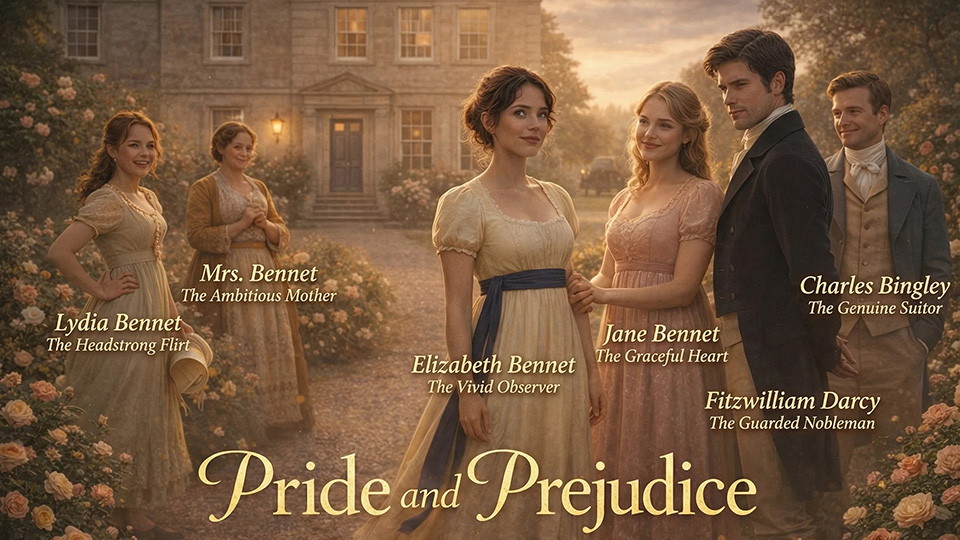
提起班纳特太太,我们太熟悉了。至少,我们以为自己很熟。那个整天神经紧绷的老妈,舞会上恨不得把女儿硬塞给有钱人的难堪场面,满脑子只有一件事——结婚,结婚,结婚。搞得身边所有人都浑身难受。“一桩顶顶有利的婚事,我们满心期待着呢。”这就是我们对她的全部印象。
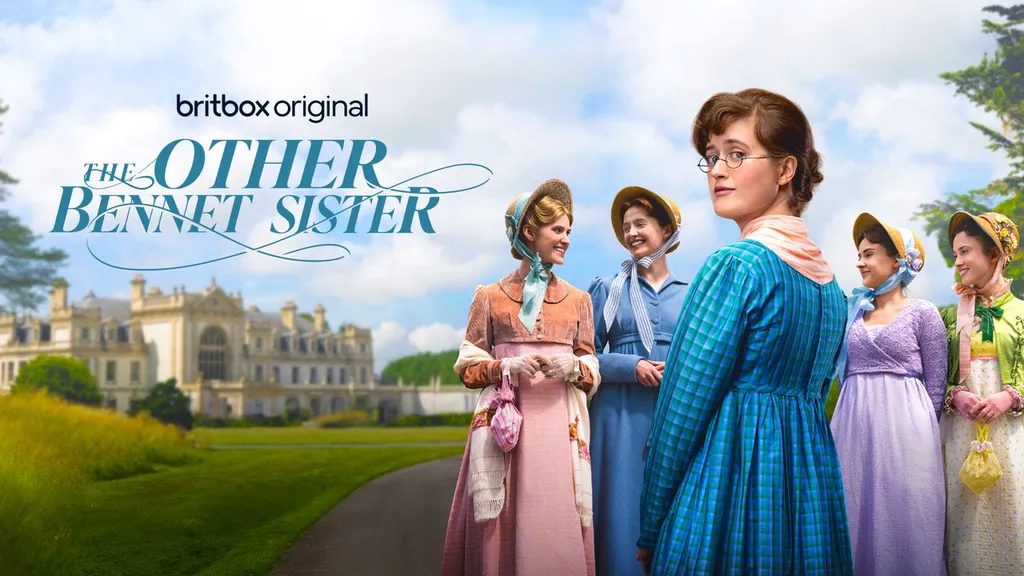
但2026年BBC出的这部新剧,《另一个班纳特小姐》,干了一件没人料到的事。它没有把班纳特太太当成笑话来拍。没有把她当成调节气氛的丑角,也没有把她拍成一个脸谱化的反派。它把她当成一个真正的、值得认真对待的人。而就是这一个决定,让整个故事彻底变了味。
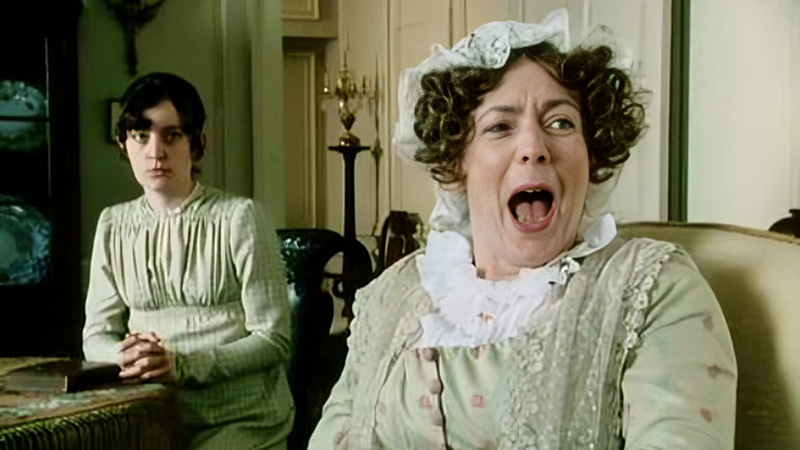
“班纳特先生!你听说没有?内瑟菲尔德庄园终于租出去了!”
开始聊正片之前,先说个事儿。我做了一个记账本,灵感来自埃莉诺·达什伍德。这个本的逻辑特别简单:每一笔花销,你只能分两类。要么归“埃莉诺”——这是你真正需要的东西;要么归“玛丽安”——这东西你根本没法自圆其说,但你还是买了。到了月底,只问自己一个问题:如果埃莉诺看到这本账,她会点头吗?我给它起了个名字,叫《理智与消费》。链接在下面,你们自取。
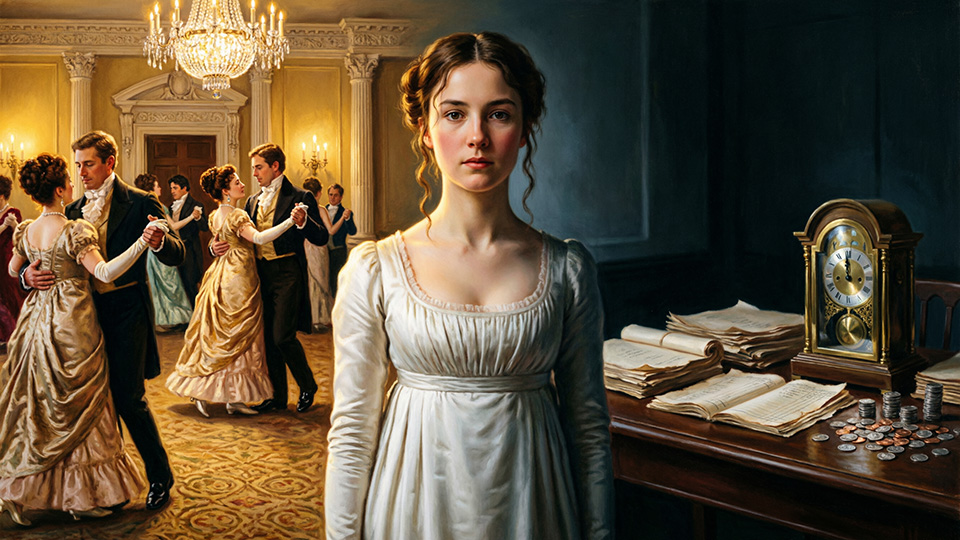
好,正式开始。班纳特太太我之前在这频道聊过,老观众可以去翻翻,链接我也放下面了。简单粗暴地概括一下就是:她绝对不止是个神经兮兮的老妈。你得把她当成一个CEO,在运营一场冷酷无情的家族资产配置。女儿在她眼里不是孩子,是资产,而且每项资产都带着一个清晰的贬值时间表。婚姻呢?不是浪漫选择,是生存手段。
简·奥斯汀是故意的。班纳特太太是一个体制造出来的产物——一个压根没给女人留其他出路的体制。她的恐慌,逻辑上完全说得通。只不过她表达恐慌的方式,太吵了,太不顾体面了。这就是奥斯汀笔下的班纳特太太:精明算计,目光短浅,但你最终很难不同情她。
“你对我可怜的神经真是一点也不体谅。”
“我亲爱的,你误会了。我对你的神经,怀着崇高的敬意。”
好了,现在把刚才说的这些都先放一放。到了2026年这部剧,班纳特太太不只是在“管理”女儿们了——她在给她们明明白白地排座次。玛丽,排在最后一名。不是玛丽做错了什么。她什么错事都没干。她被排在最后,纯粹是因为,她不符合这套游戏规则。
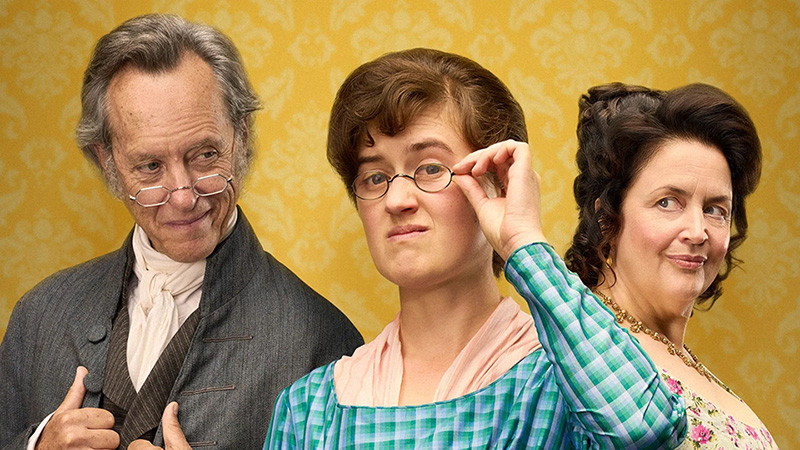
“虽然我还没有找到自己最出色的品质,但我相当确定,我终有一天会找到的。”
班纳特太太要的是迷人,玛丽偏偏爱读书。班纳特太太要的是精明谋划,玛丽偏偏一腔诚恳。她的姐妹们对着镜子一遍遍练微笑的时候,她在读哲学。在班纳特太太的世界里,一个女儿的定价标准只有一个——你能不能嫁出去?你能嫁得多好?按照这个标准,玛丽——笨拙、严肃、还架着一副眼镜的玛丽——分数是零。
“直到那一天,我母亲对我的真实评价,终于被我一字不差地听到了。”
“玛丽的脸色太红了,简直难看。她没有她姐妹们那样的肤色。这话不假。而且她又笨拙,又不得体,又浑身不协调。要我说,四桩好婚事也该知足了。我只求她别把她姐妹们的良机给毁了。”
但真正让人觉得窒息的,还不是这种赤裸裸的嫌弃。
班纳特太太对玛丽的漠视,不是那种你忽略一件家具的漠视。家具你只是注意不到。她对玛丽的漠视,是你故意不去看一面镜子的那种。因为镜子里映出来的东西,你不想承认。
玛丽身上全中。全是班纳特太太这辈子最恐惧的东西:一个不合群的女人,一个演不来戏的女人,一个死活塞不进“女人该有的样子”那条窄缝里的女人。所以她不止是无视玛丽。她是从小到大,系统性地、一以贯之地把玛丽排除在外。直到玛丽长大,终于读懂了一切:妈妈的爱,是有条件的。而自己,永远也达不到那些条件。
演玛丽的露丝·琼斯,把这种感觉拿捏得太准了。
“玛丽要去看验光师。”
“是的。”
“但我不知道她真的需要戴眼镜。”
“亲爱的,你好像忘了,我自己就戴眼镜。”
“可她是个女人啊!”
这版班纳特太太,不是95年那个在客厅里尖声怪叫的夸张形象。这一版安静得多,伤害却也深得多。是一种你永远得不到解释的冷淡。是一种你永远等不到道歉的偏心。而正是到了这里,奥斯汀和2026年的这部剧,从根本上走向了两条截然不同的路。
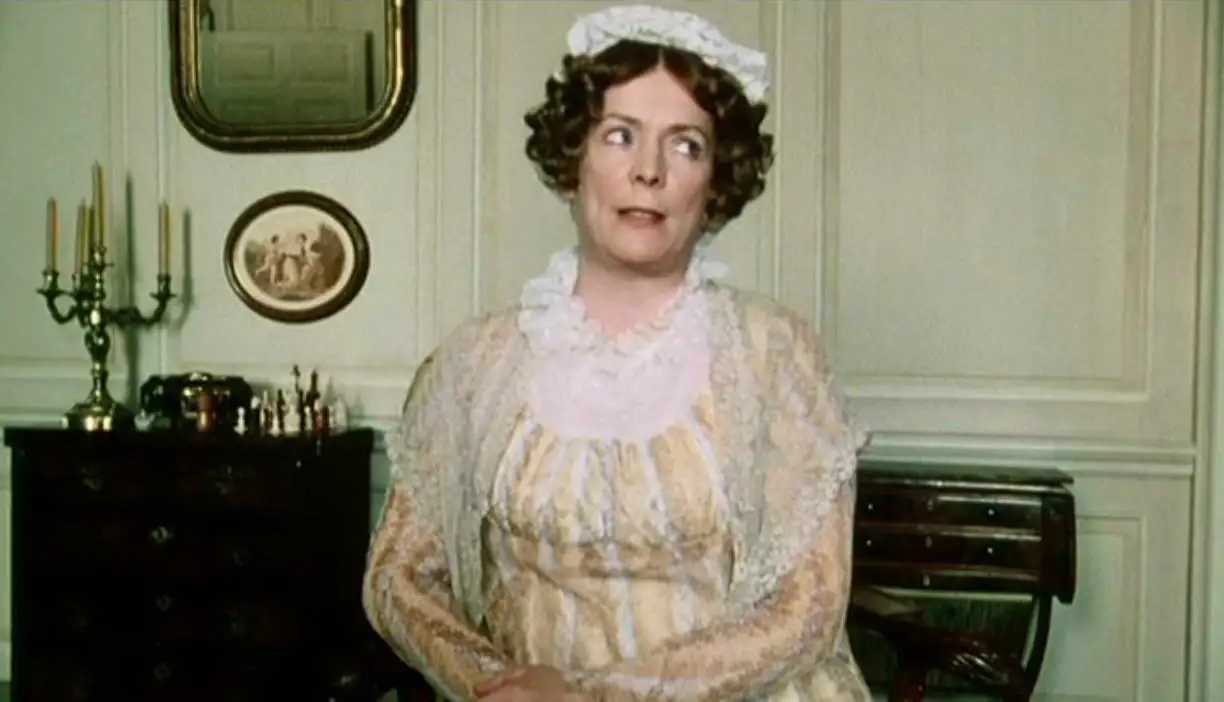
奥斯汀的镜头,永远是广角。远远地,冷冷地,像一双旁观者的眼睛。她拿班纳特太太来解剖一个社会——当这个社会告诉女人,你全部的价值就在于你嫁给了谁,它会变成什么鬼样子。
“卢卡斯小姐已经结婚安顿下来了。至于我自己的一个女儿——想必你也听说了吧。你肯定在报纸上读到过。”
“是的,确实读过。”
那个笑话的笑柄,从来不是班纳特太太本人。笑话所指的,是那个制造出她的体制。
而《另一个班纳特小姐》,把镜头直接推到了玛丽的脸上,近到你躲都躲不开。它问了一个奥斯汀没有问的问题:身为那个从来不被选择的孩子,摸上去是什么感觉?骨子里是什么滋味?
奥斯汀当年给的答案,是一个笑点。那场经典的钢琴戏,一个女孩弹得太久,久到所有宾客都在心里默念:赶紧停下吧,求你了。
“誓言将荫蔽你,如同呼吸笼罩着你。”
而哈德洛——这部剧的编剧——给出的答案,是一道伤口。一道不会愈合的伤口。一道定义一个女孩整个人生的伤口。
奥斯汀写的是社会批判。哈德洛写的是个人创伤。一个在追问:这个社会对女人做了什么?另一个在追问:一个母亲对自己的女儿做了什么?两样都是真的。两样都有价值。但它们讲的是两码事。它们要求的,是两套完全不同的镜头。
演玛丽的演员艾拉·布鲁科莱里,说过一段让我一直没放下的话。她说:“有人告诉我,莉齐·班纳特,是简·奥斯汀想要成为的那种人。而玛丽·班纳特,是她害怕自己其实就有的那种人。”
奥斯汀一生,从来没给过玛丽属于她自己的故事。六本小说,她写了太多被忽视、被低估的女性:安妮·艾略特、范妮·普莱斯、埃莉诺·达什伍德。这些女人心里装着一整片海,身边却没有一个人看得见。还有一个玛丽,同样读了太多书,同样跟周围的一切对不上号。可奥斯汀一直把她留在背景里,从头到尾,背景里。她是一整本小说的背景笑声。也许正因为玛丽太近了。太让人不安了。如果要写玛丽的痛,就意味着把镜头对准某个奥斯汀花了一辈子、用精妙的刻薄保持安全距离的东西。她也许下不去这个手。
哈德洛替她下了这个手。《另一个班纳特小姐》写的不是奥斯汀写过的故事。而这一点,恰恰就是它存在的全部理由。它把奥斯汀拿来当笑料的那个配角,从背景板里拉到了舞台中央。不隔岸观火,不阴阳怪气,不带一丝居高临下的反讽,就这么直直地看着她,问她:你这一辈子,到底赔进去了什么?它把奥斯汀一直安全地放在远景里的那个母亲,一把推到了特写镜头前。
奥斯汀本人看了,会不会认可?我真心说不上来。但我觉得,这才是那个更有意思的问题。
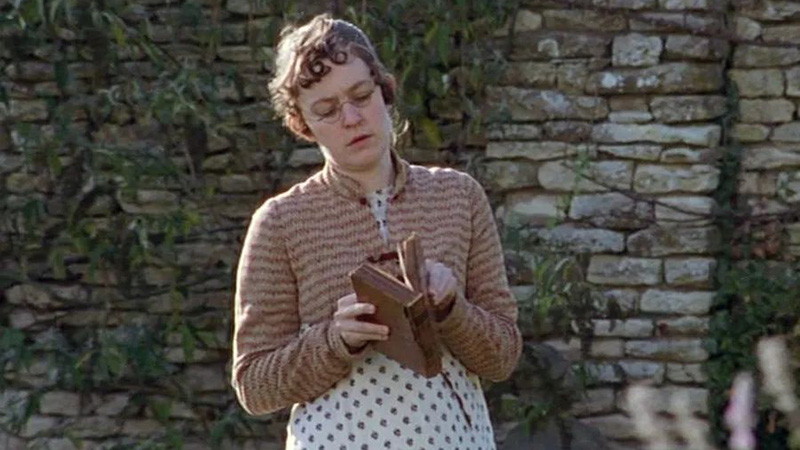
We know Mrs. Bennet — or at least we think we do. The anxious mother, the embarrassing scenes at balls, the obsession with marriage that makes everyone around her uncomfortable. “We fully expect a most advantageous marriage.”
But the 2026 BBC series, The Other Bennet Sister, does something nobody expected. It takes Mrs. Bennet seriously — not as a joke, not as comic relief, not as a villain — and that one decision changes everything.
“Mr. Bennet! Have you heard? Netherfield Park is let at last!”
Before we get into today’s video, I made something. It’s a notion budget template based on Elinor Dashwood. Every expense is either “Elinor” — things you need — or “Marianne” — things you can’t justify but buy anyway. At the end of the month, one question: would she approve? It’s called Sense and Spending. Link in the description. Okay, let’s go.
I’ve covered Mrs. Bennet on this channel before — link in the description. The short version: she’s not just a nervous mother. She’s a CEO running a ruthless operation. Her daughters aren’t children; they’re assets with a depreciation timeline. Marriage isn’t a choice; it’s a survival strategy.
Austen wrote her this way on purpose. Mrs. Bennet is a product of a system that gave women no other options. Her panic is logical; her methods are just loud. That’s Austen’s Mrs. Bennet — calculating, limited, and ultimately sympathetic.
“You have no compassion on my poor nerves.”
“You mistake me, my dear. I have a high respect for your nerves.”Now, forget all of that.
In the 2026 series, Mrs. Bennet doesn’t just manage her daughters — she ranks them. And Mary is at the bottom. Not because Mary did something wrong, but because Mary doesn’t fit the plan.
“Although I had not found my own best quality, I was quite sure that I would.”
She’s bookish where Mrs. Bennet wants charming. She’s earnest where Mrs. Bennet wants strategic. She reads philosophy while her sisters practice their smiles. In Mrs. Bennet’s world, a daughter’s value is measured by her marriageability — and Mary, awkward, serious, bespectacled Mary, scores zero.
“Until the day my mother’s true opinion of me was confirmed.”
“Mary has an awfully ruddy complexion. She does not have the complexion of her sisters. That is true. And she is clumsy, ungainly, maladroit. As they say, four good marriages will have to do. I only hope she does not ruin her sisters’ chances.”
But here’s what makes it darker than just neglect. Mrs. Bennet doesn’t just ignore Mary the way you ignore furniture. She ignores Mary the way you ignore a mirror showing you something you don’t want to see.
Mary is everything Mrs. Bennet fears — the woman who doesn’t fit, who can’t perform, who exists outside the narrow definition of what a woman is supposed to be. So she doesn’t just overlook Mary; she excludes her systematically, from childhood, until Mary grows up understanding that her mother’s love has conditions — and she will never meet them.
Ruth Jones plays this with real precision.
“Mary was to visit the optician.” — “Yes.”
“But I did not know that she would actually need to wear glasses.”
“You seem to forget, my dear, that I wear spectacles myself.”
“But she is a woman!”This isn’t the shrieking Mrs. Bennet of 1995. This is something quieter and more damaging: a coldness, a preference for other daughters that’s never explained and never apologized for.
And this is where Austen and the 2026 series fundamentally split.
Austen’s camera was always wide — observational, a little cold. She used Mrs. Bennet to expose what a society does when it tells women their only value is who they marry.
“Miss Lucas is married and settled. And one of my own daughters — I expect you’ve heard of it. Indeed you must have read it in the papers.” — “Yes, indeed.”
The joke was never really about Mrs. Bennet. It was about the system that made her.
The Other Bennet Sister moves the camera right up to Mary’s face. It asks: what does it actually feel like to be the daughter nobody chose?
Austen’s answer was a punchline. A piano scene. A girl who plays too long while everyone wishes she’d stop.
“Vows will cover thee, come as breathe o’er thee.”
Hadlow’s answer is a wound — something that shapes a person for life.
Austen was writing social critique. Hadlow is writing personal trauma. One asks what society does to women; the other asks what a mother does to a daughter. Both are real. Both are valid. But they are not the same story, and they require completely different cameras.
There’s a quote from Ella Bruccoleri, the actress who plays Mary in the series: “Someone told me Lizzie Bennet is who Jane Austen wants to be. Mary Bennet is who she’s afraid she is.”
Austen never gave Mary her own story. In six novels, she wrote women who were overlooked and underestimated — Anne Elliot, Fanny Price, Elinor Dashwood — women with rich inner lives that nobody around them could see. And then there’s Mary, who also reads too much, who also doesn’t fit, whom Austen kept as a background character, a joke for the entire novel. Maybe because Mary was too close, too uncomfortable. Writing Mary’s pain would have meant zooming in on something Austen spent her whole career keeping at a careful, ironic distance.
Hadlow did what Austen couldn’t or wouldn’t do. The Other Bennet Sister is not what Austen wrote — and that’s exactly the point. It takes the woman Austen used for comic relief and asks, without irony, without distance: what did her life actually cost her? It takes the mother Austen kept safely in the background and moves her into close-up.
Whether Austen would have approved, I genuinely don’t know. But I think that’s the more interesting question.
Tell me in the comments: does this kind of retelling honour what Austen was doing, or does it fundamentally change it? And if it changes it, is that a problem?