《傲慢与偏见》结局之后:简·奥斯汀亲口讲述的班纳特姐妹后来怎样了?

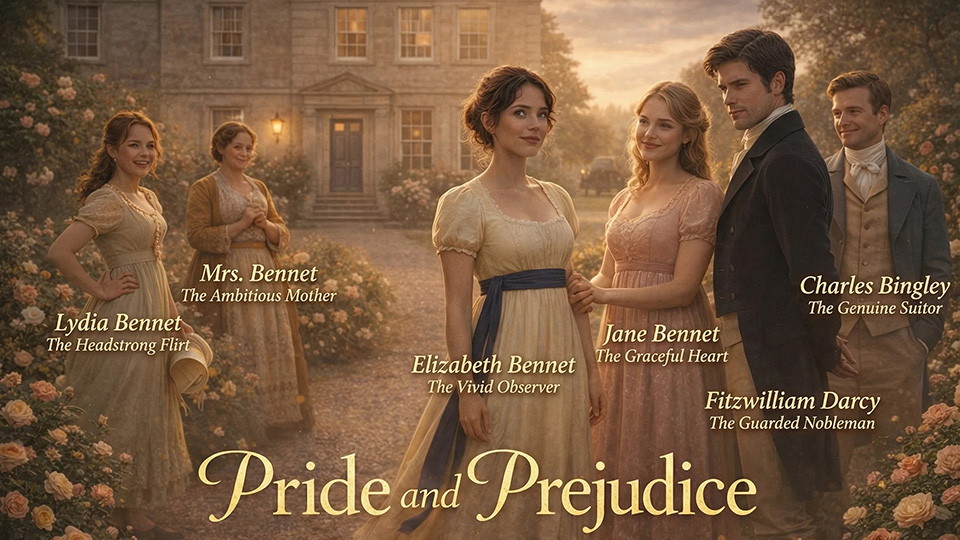
《傲慢与偏见》的结局远不止婚礼钟声。简·奥斯汀通过家族谈话、小说尾声以及侄子詹姆斯·爱德华·奥斯汀-利记录下的家族回忆录,为班纳特姐妹及达西、宾利等角色的后续命运留下了清晰线索。伊丽莎白与达西让彭伯利从冷峻的宅邸变为温暖的家庭中心;简与宾利迁居德比郡,与达西家成为永久近邻;基蒂摆脱莉迪亚的影响,最终嫁给一位牧师,实现了完整的成长;玛丽嫁给了姨父的律所职员,在自己的小圈子里找到了知足的生活;莉迪亚与威克姆的婚姻则陷入冷漠与债务,依靠伊丽莎白的私下接济勉强度日。乔治安娜在伊丽莎白的陪伴下走向自信,卡罗琳·宾利始终未能跻身达西级的婚姻,永远处于社交的悬置状态,而凯瑟琳夫人则勉强接受了现实。奥斯汀不曾写下续集,却通过这些散落的细节,赋予了角色们真实而饱满的结局。
The story of Pride and Prejudice does not end with the wedding bells. Through family conversations, the novel’s final chapter, and the memoir recorded by her nephew James Edward Austen Leigh, Jane Austen left behind clear traces of what became of the Bennet sisters and other beloved characters. Elizabeth and Darcy transformed Pemberley from a cold estate into a warm and vibrant home. Jane and Bingley moved to Derbyshire, settling within close reach of the Darcys. Kitty, freed from Lydia’s influence, eventually married a clergyman and found her own path to respectability. Mary wed one of her uncle’s law clerks, finding quiet contentment in her own circle. Lydia and Wickham’s marriage quickly sank into indifference and debt, sustained only by Elizabeth’s private generosity. Georgiana grew into confidence under Elizabeth’s care, while Caroline Bingley remained a perpetual guest, never securing the match she desired. Lady Catherine was left to brood at Rosings, forced to watch the Darcys thrive. Austen never wrote a sequel, but through these scattered details, she gave her characters endings that feel deeply true to life.
我希望这段视频能顺利录制,外面风很大。总之,我想制作一个视频,来聊聊《傲慢与偏见》的故事结束后,班纳特家的几位姐妹以及其他一些人后来的境况。
我们都有过这种经历,对吧?合上书本的最后一页,心里涌起一阵“然后呢?”的失落感。简·奥斯汀从未给我们写过续集,这简直像是一种犯罪。对我们许多人来说,这种缺乏结局的感觉是一种挥之不去的隐痛。
但秘密就在这里:奥斯汀其实通过她的家庭谈话,以及小说本身的结尾,给出了答案。
大多数看过改编作品的观众都认为班纳特一家的故事在彭伯利就结束了。但如果你更仔细地观察,就会发现一系列留下的线索,不仅仅在简·奥斯汀的信件中,也在我们可称之为“家族传统”的记载里。
对简来说,这些角色就像真实存在的人,她会和家人坐在一起,八卦书结束后每个人身上发生的事情。她的侄子,詹姆斯·爱德华·奥斯汀-利,最终将这些共同的记忆写在了一本回忆录中,以免它们被遗忘。
这就是他们讨论过的故事的侧面,一个为《傲慢与偏见》提供的、更贴切的结局,简将这个结局留给读者去解读,它涉及所有班纳特姐妹的生活,甚至包括乔治安娜·达西和卡罗琳·宾利。
依据这些内部消息,我们终于可以看清她为自己笔下角色设想的结局。
因为有这些记录下来的回忆录,我们知道基蒂最终嫁给了一位牧师,并找到了通往体面生活的道路。我们知道玛丽与一位律师事务所的职员过着朴素而实际的生活,我们知道莉迪亚和威克姆的“从此幸福快乐”只是一个短暂的幻象。
所以,我想带你越过最后一章的教堂钟声,去寻找简希望我们得到的那个结局。我们将探讨她与最亲近的人分享的,那些“结局之后”的片段,也就是那个家族传统。
那么,按照我YouTube视频的最佳套路,如果你一直在寻找那个结局,现在终于到了揭开奥斯汀本人为朗伯恩和彭伯利的居民们所设想的结局的时候了。
二、伊丽莎白和达西:彭伯利的社会变革
伊丽莎白和达西的婚姻不仅仅是一个浪漫的结局,更是彭伯利社会变革的开端。简·奥斯汀对此描述得非常具体,而她的家族记录为我们揭示了小说背后的真相。
关键在于,伊丽莎白不仅仅是嫁入了达西家族,她让这个家族变得更具人情味。
在小说的最后一章,奥斯汀明确告诉我们,彭伯利成为了社交中心,而伊丽莎白是一位出色的女主人。但家族档案中还有一个更私人的细节:爱德华·奥斯汀-利记载,奥斯汀认为她笔下这位女主人公的婚姻是真正幸福的,而她的哥哥亨利则指出,伊丽莎白是简最钟爱的创作之一。我们多少都知道这一点,不是吗?
最具说服力的事实来自于伊丽莎白如何与达西家族的遗产互动。奥斯汀写道,伊丽莎白的影响力让达西变得更加放松,更乐于社交。我们从爱德华·奥斯汀-利的回忆录中还得知,这对夫妇仍然是整个家族的支柱,支持着那些不那么幸运的兄弟姐妹,欢迎作者喜欢的那些人,同时礼貌地应对着作者不喜欢的那些人。
这不仅仅是粉丝对美好结局的期望,更是简·奥斯汀向她最亲近的人描述的一种道德平衡。
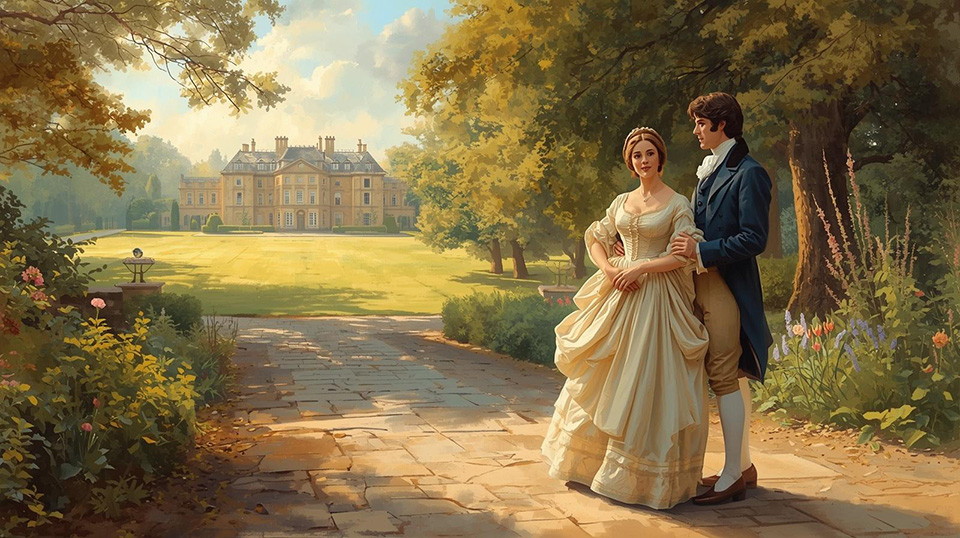
因此我们看到,对伊丽莎白和达西而言,故事并没有在婚礼祭坛上结束。通过小说最后几页的暗示以及爱德华·奥斯汀-利保存下来的回忆,一幅非常清晰的图景浮现出来:彭伯利不再是一座冰冷、 imposing 的堡垒,而是一个被伊丽莎白带来的温暖和支持精神所定义的宅邸。他们的婚姻变成了简·奥斯汀所期望的样子:一种不仅仅是浪漫的结合,更是对圈子里的每一个人都具有社会和心理变革意义的结合。
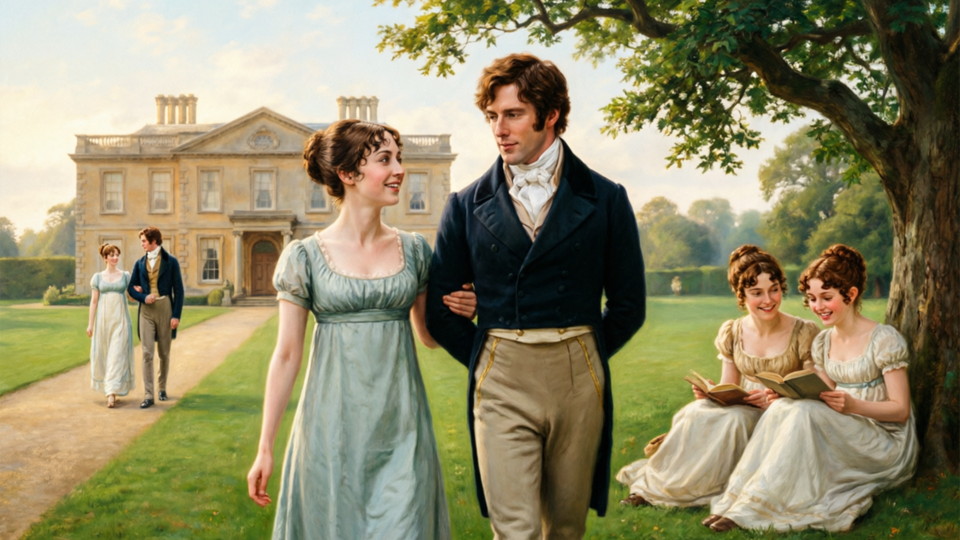
三、简和宾利:搬往德比郡,与达西家为邻
对于简和宾利来说,他们的“从此幸福快乐”通常被认为是最简单的一个。但奥斯汀给出了一个具体的细节,真正提供了我们一直在寻找的结局:他们实际上并没有在尼日斐花园待太久。
在书的最后一章,奥斯汀告诉我们,即使是宾利出了名的好脾气也是有限度的;与班纳特太太过于接近以及麦里屯的闲言碎语带来的持续厌烦变得难以忍受。所以,结婚仅仅一年后,他们就收拾行装,在德比郡买下了一处 estate。
这是关键的部分:他们选择了一个距离彭伯利不到30英里的家。
我喜欢这个细节,因为它表明,对简和伊丽莎白来说,书的结尾实际上只是她们作为邻居生活的开始。爱德华·奥斯汀-利在他的家族记录中证实,简·奥斯汀一直希望这两姐妹能保持紧密的联系。通过让她们搬到德比郡,她确保了这两个家庭永久地交织在一起。
这是一个可爱而平静的结局:简和查尔斯远离朗伯恩的纷扰,在宁静的朋友圈中度过一生,但始终在姐妹的陪伴可及之处。
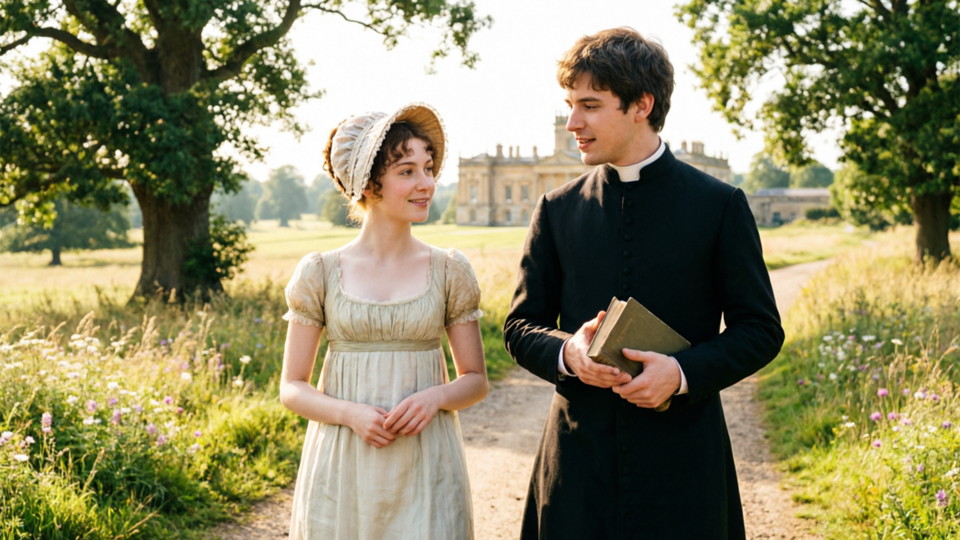
四、基蒂·班纳特:她与牧师的婚姻
如果说有一个姐妹真正从事情的发展中受益,那就是基蒂。
我们常常记得她只是莉迪亚的跟班:轻浮、痴迷男孩、不断咳嗽以博取关注。但简·奥斯汀为基蒂提供的结局是整个故事中最成功的救赎弧线之一。
一旦莉迪亚结婚并离开,基蒂开始把大部分时间花在她的两个姐姐身上。现在,这种环境的改变至关重要。远离了莉迪亚的影响,置身于彭伯利和简的新家更为高雅的社会环境中,基蒂发生了彻底的转变。奥斯汀明确提到,她变得不那么易怒,不那么无知,也不那么乏味了。她终于有了成长的机会。
但这里有一个小说中没有的细节,来自她侄子保存的家族记录。根据简与她最亲近的人分享的家族传统,基蒂最终嫁给了一位住在彭伯利附近的牧师。
我喜欢这个细节,因为它让她的故事首尾呼应。她不仅仅是不再傻了;她成为了那个她曾经只能在边上梦想的社会——也许是麦里屯舞会——中一个受人尊敬的、可靠的成员。
这是对她未来的彻底改写,证明了有了正确的导师,并远离不良影响,你完全可以改变自己的人生轨迹。
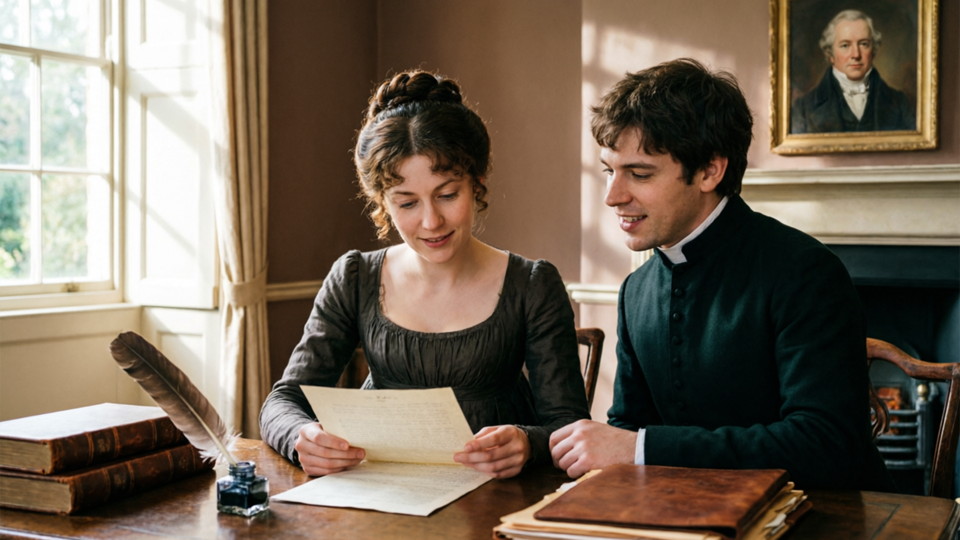
五、玛丽·班纳特:她与律师事务所职员的婚姻
然后我们来说说玛丽。对于所有为那个被遗忘的中产阶级妹妹感到惋惜的人来说,她的结局出人意料地实际,并且以其自己的方式,非常令人满意。
事实是,玛丽并没有永远留在朗伯恩,她也没有成为一个孤独的老处女。虽然小说结尾暗示她在家里被迫更多地参与社交互动,这对她有些好处,但正是爱德华·奥斯汀-利提供了具体的细节,给了我们真正的结局。
玛丽最终嫁给了她菲利普斯姨父手下的一位律师事务所职员。这听起来可能不如嫁给达西那样显赫,但对玛丽来说,这是完美的契合。
她进入了一个领域,在那里她对深度阅读和道德说教的热爱,不会再不断被伊丽莎白的机智或简的美貌所掩盖。正如爱德华·奥斯汀-利所指出的,她过着知足的生活,最终在她自己的小圈子里成为了最有学问的人。
这是一个非常接地气、现实主义的结局,感觉就像是简·奥斯汀为一个一直渴望被倾听的角色所设想的。而且不难推测,鉴于玛丽对信息的热爱,她很可能成为了她丈夫工作中不可或缺、或许还有点学究气的伙伴。
这是一个绝妙的想法,而且与我们认识的玛丽完美契合。她总是为自己强大的观察力和掌握的信息感到自豪。我们可以轻易想象她带着满足而挑剔的眼光,管理她丈夫的 correspondence 或校对他的法律文件。这给了她一种在朗伯恩从未找到过的目标感。
这真是爱德华·奥斯汀-利回忆录的美妙之处,因为它们将这些角色从书中的静态人物,变成了生活继续展开的人。
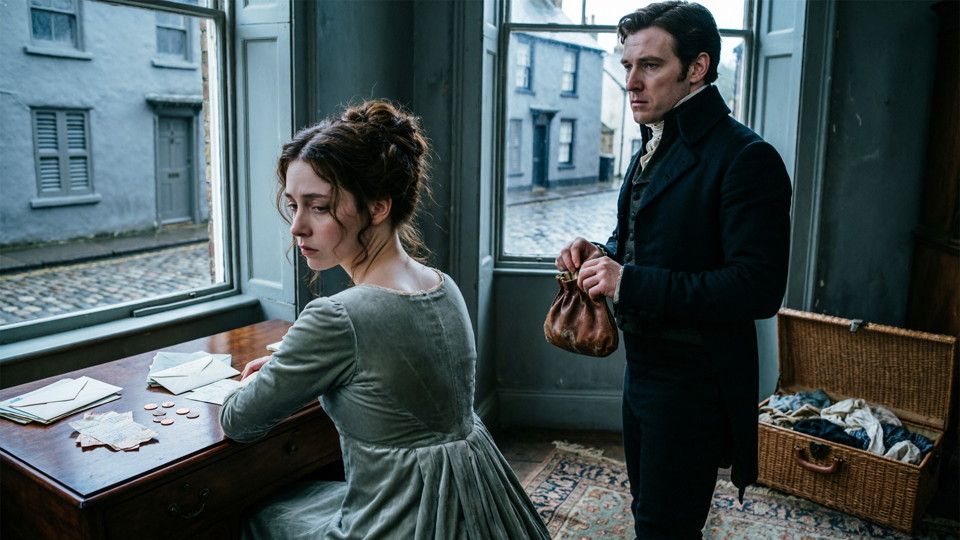
六、莉迪亚和威克姆:他们的财务困境与对达西家的依赖
当其他姐妹找到了安稳的生活时,莉迪亚和威克姆的故事则起到了一点现实警醒的作用。如果我们曾经希望乔治·威克姆能改过自新,简留给我们的 facts 讲述了一个更发人深省的故事。事实是,他们的婚姻正是所有人都担心的那种动荡混乱。
在书的最后一章,奥斯汀告诉我们,他们彼此的感情很快就变成了彻底的冷漠。他们从未真正安定下来;相反,他们频繁地从一处搬到另一处,不断寻找钱财,并且身后总是留下一串债务。
但提供最多结局感的细节,是莉迪亚如何依赖她的姐姐。莉迪亚甚至写信给伊丽莎白,建议她向达西先生要更多的钱。伊丽莎白不打算那样做;她拒绝用这些请求去打扰她的丈夫。但她确实经常从自己的私房钱里拿出“不小的数目”来帮助他们。
莉迪亚的需求——更可能是威克姆的债务——是相当大的;零钱根本不管用。因为简·奥斯汀写了“不小的数目”,这表明伊丽莎白极其慷慨,她正在从自己的口袋里掏出不少钱来维持她妹妹的生计,很可能比莉迪亚应得的要多得多。
这为结局增添了“姐姐的牺牲”这一层含义,让这个结局显得更加真实可信。
虽然莉迪亚偶尔会成为彭伯利的客人,但达西在一个问题上立场坚定:他拒绝再让威克姆踏进他的庄园一步。这是一个现实的结局,表明虽然达西的钱可以挽救莉迪亚的名声,却无法改变她嫁的那个男人的本性。
实际上,奥斯汀在小说本身中就对他们的结局进行了相当彻底的总结。所以我们不需要去回忆录里寻找不同的 fate:彻底的冷漠、四处搬迁,以及伊丽莎白动用私房钱,都在小说的书页上记录得清清楚楚。这为他们的人物弧线画上了一个非常坚实、无可否认的句号。这与基蒂和玛丽形成鲜明对比,对于后者,我们不得不查阅爱德华·奥斯汀-利的回忆录来填补空白。对于莉迪亚和威克姆来说,“从此幸福快乐”——或者缺乏它——其重要性足以让奥斯汀确保在书中为我们留下交代。
七、乔治安娜·达西:她的成长与对伊丽莎白的依恋
在小说中,乔治安娜起初是一个极其害羞、几乎有些脆弱的女孩,但她的“后来怎么样了”完全是关于她在伊丽莎白庇护下的转变。
奥斯汀在最后一章告诉我们,乔治安娜在彭伯利永久居住下来。这两个女人之间形成的纽带,正是达西所希望的。伊丽莎白不仅仅是她的嫂子;她成了一位导师和真正的朋友。
文本中有一个精彩的细节,奥斯汀提到乔治安娜最初对伊丽莎白与达西开玩笑的方式感到惊讶,但最终为之惊叹。她一直带着某种神圣的敬畏看待她的哥哥,但通过伊丽莎白,她学会了你可以爱,甚至戏弄像达西这样的男人,而不会失去对他的尊重。
这不仅仅是一种美好的情感;爱德华·奥斯汀-利的家族记录告诉我们,简·奥斯汀认为这种关系至关重要。根据家族传统,乔治安娜成长为一个精神饱满、充满自信的女性,在达西家度过了余生,成为家庭的中坚力量。她不仅在伊丽莎白身上找到了姐姐,更找到了自母亲去世后就一直缺失的指引。
对乔治安娜来说,结局不是她自己的一场婚礼,而是最终感到安全、被理解,并且能够自在安然地生活。
乔治安娜是少数几个在书结束时仍在“成长中”的角色。她多大?小说结尾时大约16岁?她的故事与其说是一个目的地,不如说是她找到一个安全的地方来成长。
想象她在彭伯利,终于摆脱了那种警觉的表情,学会了如何以哥哥为笑柄来打趣,这真是件美好的事。
八、卡罗琳·宾利:她的“体面”失败与在彭伯利的持续存在
对卡罗琳·宾利来说,那场双重婚礼很可能就是她的终极噩梦。数月来,她为了阻止查尔斯与简交往,以及她自己对达西先生的企图,所做的一切谋划都以彻底的公开失败告终。
那么像卡罗琳这样的女人是如何应对这种打击的呢?根据文本,她以一种精心算计的重新定位来应对。她知道如果继续生气,就会失去与达西以及彭伯利上流社会的联系。奥斯汀告诉我们,卡罗琳放下了怨恨,对伊丽莎白变得极其客气。她想要保留拜访彭伯利的权利,如果这意味着要对她曾经嘲笑过的女人友善,她愿意付出这个代价。
至于她的生活状况,一旦简和查尔斯搬到他们离彭伯利不到30英里的新庄园,卡罗琳基本上就失去了作为查尔斯管家的工作。
虽然小说没有给她安排一个丈夫,但爱德华·奥斯汀-利的家族传统表明,她始终没能成功钓到达西那个级别的配偶。她仍然是一个富有、时髦的老姑娘,不断拜访她的哥哥,或者试图维持达西家的好感。
我知道你在想什么;我的视频里有很多评论建议卡罗琳本可以嫁给菲茨威廉上校。毕竟,他需要娶一个有钱的女人,而她也确实幻想着嫁入上层社会。虽然“菲茨威廉上校理论”在纸面上很有道理——他需要钱,而她有两万英镑——但让卡罗琳保持原样,更有奥斯汀的意味。
如果她嫁给了上校,她就会正式进入有头衔的贵族行列,成为“尊敬的菲茨威廉夫人”,这感觉像是一种她并未 earned 的奖励。我真是大吃一惊。
通过保持一个时髦老姑娘的身份,她处于一种社交上的悬置状态——足够富有,可以被邀请,但总是在别人家里做客,并且为了保住自己的一席之地,总是不得不对伊丽莎白友善。
小说和家族记录都没有给卡罗琳一个归宿,比如一场婚礼,或者搬到一个特定的新家。不像基蒂,我们被告知她变得不那么易怒和无知,也不像玛丽,嫁给了职员,卡罗琳只是持续着。
在文本中,奥斯汀让她处于一种“过度客气”的状态;她的故事以她成为彭伯利一个永久的客人,被迫对伊丽莎白友善而告终。
在信件或回忆录中,简·奥斯汀 famously 告诉了她的家人许多角色的命运,比如基蒂和玛丽。但没有关于卡罗琳·宾利最终命运的记载;她的结局就是这种悬置状态。
对于一个像卡罗琳这样痴迷于地位的角色来说,“接下来”实际上就是惩罚。她的生活变成了一个循环:保持时髦,维持体面,拜访她的兄弟和达西家的庄园。她没有得到自己的彭伯利;她停留在她开始的地方:富有、有地位、靠近权力中心,但终究是次要的。
几乎可以说,奥斯汀觉得让卡罗琳永远留在那个社交候诊室里,比给她一个明确的 exit 更合适。
九、凯瑟琳夫人:她最终勉强达成的和解
如果说卡罗琳·宾利是 pivots 的大师,那么凯瑟琳夫人就是积怨的女王。
当她发现达西真的娶了伊丽莎白时,她的反应和你预料的一样可怕。奥斯汀告诉我们,反应极其激烈——她给达西写了一封极其侮辱和 abusive 的信,以至于在很长一段时间里,他实际上停止了与她的所有联系。她被留在罗辛斯庄园,为她失去的权力,以及她的女儿安妮永远无法成为彭伯利女主人这一事实而郁郁寡欢。
但即使对凯瑟琳夫人来说,务实主义最终也占了上风。经过长时间的完全沉默后,实际上是伊丽莎白介入其中。她最终说服达西寻求和解,她知道家人就是家人,即使那个家人是凯瑟琳夫人。
到小说的最后,我们得知凯瑟琳夫人确实拜访了彭伯利。那并不是一次温馨的重聚。奥斯汀指出,她只是出于好奇而来,想看看伊丽莎白作为女主人是如何表现的。
爱德华·奥斯汀-利补充了最后的一击:根据家族传统,凯瑟琳夫人从未真正接受伊丽莎白;她只是容忍她。她在罗辛斯度过了余生,仍然确信世界在她之下,但被迫从远处看着伊丽莎白和达西把彭伯利变成一个快乐、充满活力的家。
十、结语:《傲慢与偏见》,后来怎么样了?
那么,为什么要深入所有这些小说之外的细节呢?
对我来说,《傲慢与偏见》的美妙之处不在于婚礼的钟声,而在于简·奥斯汀足够在乎这些角色,为我们留下了一串线索。无论它们是藏在最后一章里,还是在私人信件中分享,或是保存在爱德华·奥斯汀-利的家族回忆录中,我们意识到,我们不需要去创作同人小说来为朗伯恩和彭伯利的居民寻找结局。真实的故事往往更令人满意。
看到班纳特五姐妹中的四个找到了她们版本的幸福结局,从基蒂的救赎走向体面,到玛丽实际上的知足,这提醒我们,奥斯汀的世界是一个活生生的世界。即使是像卡罗琳·宾利这样被留在社交悬置状态的角色,或是像莉迪亚这样依靠姐姐恩惠的角色,这些结局都让人觉得真实可信,符合生活本身。
这是一个甜蜜的方式来最终合上这本书,知道即使翻过最后一页,彭伯利的生活也才刚刚开始——被伊丽莎白和达西带到每个角落的温暖、精神和支持性的智慧所定义。
说到这里,我可以回去继续做《爱玛》系列了,不再让自己分心。在评论区和我以及其他人聊天吧,希望你能加入我下一个视频。
I. Introduction
I hope this video is going to work, it’s very blustery outside.
Anyway, I wanted to put together a video to talk about what happens to the Bennett sisters and a few others after Pride and Prejudice concludes.
Now, we’ve all been there, right? Closing the final pages of the book and feeling that pang of “what now”? It feels like a crime that Jane Austen never gave us a sequel. And for many of us, that lack of closure is a bit of a lingering ache.
But here’s the secret, Austen actually did give us the answers through her family conversations and actually also at the end of the novel.
Most viewers of the adaptations assume the story of the Bennets ends at Pemberley. But if you look closer, there’s a trail of clues left behind, not just in Jane Austen’s letters, but in what we can call the family traditions.
To Jane, these characters were like real people; she would sit with her family members and gossip about what happened to everyone after the book ended. Her nephew, James Edward Austen Leigh, eventually wrote these shared memories down in a memoir so they wouldn’t get lost.
It’s the side of the story they discussed, a more fitting conclusion to Pride and Prejudice that Jane left open for interpretation, involving the lives of all the Bennett sisters and even Georgiana Darcy and Caroline Bingley.
Drawing from this inside track, we can finally see the closure that she intended for her characters.
Because of these recorded memoirs, we know that Kitty eventually married a clergyman, and found her way to respectability. We know that Mary found a modest, practical life with a law clerk, and we know that Lydia and Wickham’s “happily ever after” was a very short-lived illusion.
And so, I’d like to take you past the church bells of that final chapter to find the resolution Jane intended for us to have. We’re going to look at the “after-the-end” fragments that she shared with her inner circle, that family tradition.
So, in my best YouTube spinner hook pattern, if you’ve been looking for the closure, it’s finally time to uncover what Austen herself intended for the inhabitants of Longbourn and Pemberley.
II. Elizabeth and Darcy: The Social Transformation of Pemberley
The marriage of Elizabeth and Darcy wasn’t just a romantic ending; it was the start of a social shift at Pemberley. Jane Austen was very specific about this, and her family records gave us the truth behind the fiction.
The punchline is that Elizabeth didn’t just join the Darcy family, she humanised it.
In the final chapter of the novel, Austen explicitly tells us that Pemberley became a centre of society and that Elizabeth was an outstanding mistress of the house. But there’s a more personal detail from the family archives: Edward Austen Leigh records that Austen viewed her heroine’s marriage as genuinely happy, and her brother Henry noted that Elizabeth was one of Jane’s most beloved creations. We kind of know that, don’t we?
The most telling truth comes from how Elizabeth interacted with the Darcy family legacy. Austen writes that Elizabeth’s influence made Darcy more relaxed and socially engaged. We also know from Edward Austen Leigh’s memoir that the couple remained the anchor for the entire family, supporting the less fortunate siblings and welcoming those that the author liked, while politely managing the ones that she didn’t.
This isn’t just a fan’s hope for a happy ending; it’s the moral balance Jane Austen described to those closest to her.
So we see that for Elizabeth and Darcy, the story didn’t simply end at the altar. Through the hints in the novel’s final pages and the recollections preserved by Edward Austen Leigh, a very clear picture emerges: Pemberley was no longer a cold, imposing fortress, but a house defined by the warmth and supportive spirit Elizabeth brought to it. Their marriage became exactly what Jane Austen intended it to be: a union that was not just romantic, but socially and psychologically transformative for everyone in the circle.
III. Jane and Bingley: Moving to Derbyshire to be Near the Darcys
Now for Jane and Bingley, their “happily ever after” is often seen as the simplest one. But there’s a specific detail Austen gives us that really provides the closure we’re looking for: they don’t actually stay at Netherfield for long.
In the final chapter of the book, Austen tells us that even Bingley’s famous good nature had its limits; the constant fatigue of being so close to Mrs. Bennet and the gossips of Meryton became too much. So, just a year into their marriage, they packed up and bought an estate in Derbyshire.
This is the crucial part: they chose a home that was within 30 miles of Pemberley.
I love this detail, because it shows that for Jane and Elizabeth, the end of the book was really just the beginning of their lives as neighbors. Edward Austen Leigh confirms in his family records that Jane Austen always intended for these two sisters to remain a tight-knit unit. By moving them to Derbyshire, she ensured that the two families became permanently intertwined.
It’s a lovely, quiet resolution: Jane and Charles living out their lives in a peaceful circle of friends, far away from the drama of Longbourn, but always within reach of a sister’s company.
IV. Kitty Bennett: Her Marriage to a Clergyman
If there’s one sister who truly benefited from the way things turned out, it’s Kitty.
We often remember her as just a shadow to Lydia: flighty, boy-crazy, and constantly coughing for attention. But the closure Jane Austen provides for Kitty is one of the most successful redemption arcs in the whole story.
Once Lydia had married and was out of the way, Kitty began to spend the majority of her time with her two oldest sisters. Now, this change of scenery was everything. Away from Lydia’s influence and surrounded by the much more refined society of Pemberley and Jane’s new home, Kitty underwent a total transformation. Austen explicitly notes that she became less irritable, less ignorant, and less insipid. She finally had the chance to grow up.
But here’s the detail that isn’t in the novel, which comes to us from the family records kept by her nephew. According to the family tradition Jane shared with her inner circle, Kitty eventually married a clergyman who lived near Pemberley.
I love this, because it brings her story full circle. She didn’t just stop being silly; she became a respectable, steady member of the very society that she used to only dream about from the sidelines, maybe of the Meryton balls.
It’s a complete rewrite of her future, proving that with the right mentors and a bit of distance from the wrong influences, you can completely change your course of life.
V. Mary Bennet: Her Marriage to the Law Clerk
And then we have Mary. For everyone who felt for the forgotten middle sister, her ending is surprisingly practical, and in its own way, very satisfying.
The truth is, Mary didn’t stay at Longbourn forever, and she didn’t end up as a lonely spinster. While at the end of the novel it hints that she was being forced into a more social interaction at home and it did her some good, it’s Edward Austen Leigh who provides the specific details that gives us the real closure.
Mary ended up marrying one of her Uncle Phillips’s law clerks. Now, it might not sound as grand as marrying a Darcy, but for Mary, it’s a perfect fit.
She moved into a sphere where her love of deep reading and moralizing wouldn’t be constantly overshadowed by Elizabeth’s wit or Jane’s beauty. As Edward Austen Leigh notes, she lived a contented life, finally being the most accomplished person in her own small circle.
It’s a very grounded, realistic ending that feels exactly like something Jane Austen would intend for a character who always wanted to be heard. And it’s easy to surmise, knowing Mary’s love of information, that she probably became an indispensable and slightly pedantic partner in her husband’s work.
It’s a wonderful thought, and it fits perfectly with the Mary we know. She always took such pride in her great powers of observation and her information. We can easily imagine her managing her husband’s correspondence or proofreading his legal documents with a very satisfied, discerning eye. And it gives her a sense of purpose she never quite found at Longbourn.
It really is the beauty of Edward Austen Leigh’s memoirs, because they turn these characters from static figures in a book into people whose lives continued to unfold.
VI. Lydia and Wickham: Their Financial Instability and Reliance on the Darcys
While the other sisters found stability, the story of Lydia and Wickham serves as a bit of a reality check. If we were ever hoping for a reformation for George Wickham, the facts Jane left us tell a much more sobering story. The truth is that their marriage was exactly the unsettled mess everyone feared.
In the final chapter of the book, Austen tells us their affection for each other soon sunk into total indifference. They never truly settle down; instead, they move frequently from place to place, in constant search for money, and always leaving a trail of debt behind them.
But the detail that provides the most closure is how Lydia relied on her sister. Lydia actually wrote to Elizabeth, even suggesting that she ask Mr. Darcy for more money. Elizabeth wasn’t about to do that; she refused to bother her husband with those requests. But she did frequently send “no small sums” from her own private purse to help them out.
Now, Lydia’s needs—more likely Wickham’s debts—were substantial; small change wasn’t going to cut it. Because Jane Austen wrote “no small sums,” it shows that Elizabeth was incredibly generous and she was dipping deep into her own pockets to keep her sister afloat, likely more than Lydia actually deserved.
It adds a layer of “big sister sacrifice” to the ending, that makes the closure feel even more earned.
While Lydia was occasionally a guest at Pemberley, Darcy remained firm on one point: he refused to ever let Wickham set foot on the estates again. It’s a realistic ending that shows that while Darcy’s money could save Lydia’s reputation, it couldn’t change the nature of the man that she married.
Austen was actually quite thorough in her wrap-up for them within the novel itself. So we don’t need to go hunting in the Memoirs for a different fate: the total indifference, the moving from place to place, and Elizabeth’s use of her private purse are all documented right there on the pages of the novel. It makes a very solid, undeniable conclusion to their arc. It’s a nice contrast to Kitty and Mary, where we had to look at Edward Austen Leigh’s memoir to fill in the blanks. With Lydia and Wickham, the “happily ever after”—or lack of it—was important enough that Austen made sure to leave it in the book for us.
VII. Georgiana Darcy: Her Growth and Attachment to Elizabeth
Now in the novel, Georgiana starts out as this incredibly shy, almost fragile girl, but her “what happened next” is all about her transformation under Elizabeth’s wing.
Austen tells us in the final chapter that Georgiana took up permanent residence at Pemberley. The bond that formed between the two women was exactly what Darcy had hoped for. Elizabeth wasn’t just a sister-in-law; she became a mentor and a genuine friend.
There’s a wonderful detail in the text where Austen mentions that Georgiana was initially alarmed but ultimately amazed by Elizabeth’s playful way of talking to Darcy. She’d always looked at her brother with a sort of holy awe, but through Elizabeth she learned that you could love, and even tease, a man like Darcy without losing respect for him.
This isn’t just a nice sentiment; the family records of Edward Austen Leigh tell us that Jane Austen viewed this relationship as vital. According to the traditions, Georgiana grew into a woman of great spirit and confidence, remaining a staple of the Darcy household for the rest of her life. She didn’t just find a sister in Elizabeth; she found the guidance she’d been missing since her mother died.
For Georgiana, the closure isn’t a wedding of her own, but finally feeling secure, understood, and at home in her own skin.
Georgiana is one of the few characters who is still “becoming” when the book ends. What is she? About 16 at the end of the novel? Her story is less about a destination and more about her finding a safe place to grow up.
It’s lovely to think of her at Pemberley, finally losing that alarmed expression and learning how to laugh at her brother’s expense.
VIII. Caroline Bingley: Her Civil Defeat and Continued Presence at Pemberley
For Caroline Bingley, the double wedding was most probably her ultimate nightmare. All those months of maneuvering to keep Charles away from Jane and her own designs on Mr. Darcy had ended in a total public failure.
So how does a woman like Caroline handle such a blow? According to the text, she handles it with a very calculated reset. She knew that if she stayed angry, she would lose her connection to Darcy and the high society of Pemberley. Austen tells us that Caroline dropped her resentment and became excessively civil to Elizabeth. She wanted to keep the right of visiting Pemberley, and if that meant being nice to the woman she used to mock, she was willing to pay that price.
As for her living situation, once Jane and Charles moved to their new estate within 30 miles of Pemberley, Caroline was essentially out of a job as Charles’s housekeeper.
While the novel doesn’t give her a husband, Edward Austen Leigh’s family traditions suggest that she never did manage to snag a Darcy-level match. She remained a wealthy, fashionable spinster, constantly visiting her brother or trying to stay in the Darcys’ good graces.
I know what you’re thinking; I’ve had many comments in my videos suggesting that Caroline could have married Colonel Fitzwilliam. He, after all, had to marry a woman of wealth, and she certainly fancied herself marrying into the upper social classes. While the “Colonel Fitzwilliam Theory” makes a lot of sense on paper—he needed money and she had £20,000—there’s something much more Austen about Caroline staying exactly as she is.
If she married the Colonel, she would have officially entered the ranks of titled aristocracy as the honorable Mrs. Fitzwilliam, which feels like a reward she hasn’t earned. I am all astonishment.
By staying a fashionable spinster, she’s left in a bit of social limbo—wealthy enough to be invited, but always a guest in other people’s homes, and always having to play nice to Elizabeth to keep her seat at the table.
Neither the novel nor the family records give Caroline a destination, like a wedding, or removal to a specific new home. Unlike Kitty, who we are told specifically becomes less irritable and less ignorant, or Mary, who marries the clerk, Caroline simply persists.
In the text, Austen leaves her in a state of excessive civility; her story ends with her being a perpetual guest at Pemberley, forced to be kind to Elizabeth.
In the letters or the memoirs, Jane Austen famously told her family what happened to many characters, like Kitty and Mary. But there’s no recorded final fate for Caroline Bingley; the closure is the limbo.
For a character as status-obsessed as Caroline, the “what next” is actually the punishment. Her life becomes a loop of staying in fashion, keeping up appearances, and visiting her brothers’ and Darcy’s estates. She doesn’t get her own Pemberley; she stays exactly where she started: wealthy, titled, adjacent, but ultimately secondary.
It’s almost as if Austen felt that leaving Caroline in that social waiting room forever was a more fitting end than giving her a definitive exit.
IX. Lady Catherine: Her Eventual, Begrudging Reconciliation
So if Caroline Bingley was the master of the pivot, Lady Catherine was the queen of the grudge.
When she found out that Darcy had actually gone through with the marriage, her reaction was exactly as formidable as you’d expect. Austen tells us it was extremely violent—she sent Darcy a letter so insulting and abusive that for a long time, he actually stopped all communication with her. She was left at Rosings Park, brooding over her lost power and the fact that her daughter Anne would never be mistress of Pemberley.
But even for Lady Catherine, pragmatism eventually won out. After a long period of total silence, it was actually Elizabeth who stepped in. She eventually convinced Darcy to seek a reconciliation, knowing that family was family, even if that family was Lady Catherine.
By the very end of the novel, we’re told that Lady Catherine actually visited Pemberley. It wasn’t a warm reunion. Austen notes she only came out of curiosity to see how Elizabeth conducted herself as the mistress of the house.
Edward Austen Leigh adds the final sting: according to family tradition, Lady Catherine never truly accepted Elizabeth; she simply tolerated her. She spent the rest of her days at Rosings, still certain the world was beneath her, but forced to watch from a distance as Elizabeth and Darcy turned Pemberley into a happy, lively home.
X. Conclusion: Pride and Prejudice, What Happened Next?
So why dive into all these post-novel details?
For me, the beauty of Pride and Prejudice isn’t the wedding bells; it’s in the fact that Jane Austen cared enough about those characters to leave us a trail of breadcrumbs. Whether they were tucked into the final chapter, or shared in private letters, or preserved in the family memoirs of Edward Austen Leigh, we realize we don’t have to create fan fiction to find closure for the inhabitants of Longbourn and Pemberley. The real story is often much more satisfying.
Seeing four of the five Bennett sisters find their version of happy ending, from Kitty’s redemption into respectability and Mary’s practical contentment, it reminds us that Austen’s world was a living, breathing one. Even for the characters left in social limbo like Caroline Bingley, or those relying on a sister’s grace like Lydia, the endings feel earned and true to life.
It’s a sweet way to finally close the book, knowing that even after the last page is turned, life at Pemberley was just the beginning—defined by the warmth, the spirit, and the supportive wit that Elizabeth and Darcy brought to every corner of it.
So with that, I can get back to the Emma series and stop myself from being distracted. Chat with me and others in the comments, and hopefully you’ll join me in that next video.