

I used to think that was a joke—until I attended a few old class reunions and saw it play out in real life. Just a few years out of school, some people have already lost the light in their eyes, radiating a kind of “living dead” energy. They haven’t suffered any great misfortune or ordeal. They’ve simply grown accustomed to mediocrity. This state of being—alive but not living—I call it the stench of death on a person. If you find these four signs creeping into your life, wake up. Don’t let yourself rot inside the comfort zone.
01丨Withering Vitality: “This Is It”
The first sign is the withering of vitality.
It’s not sharp pain or dramatic suffering. It’s that quiet, slow fading.
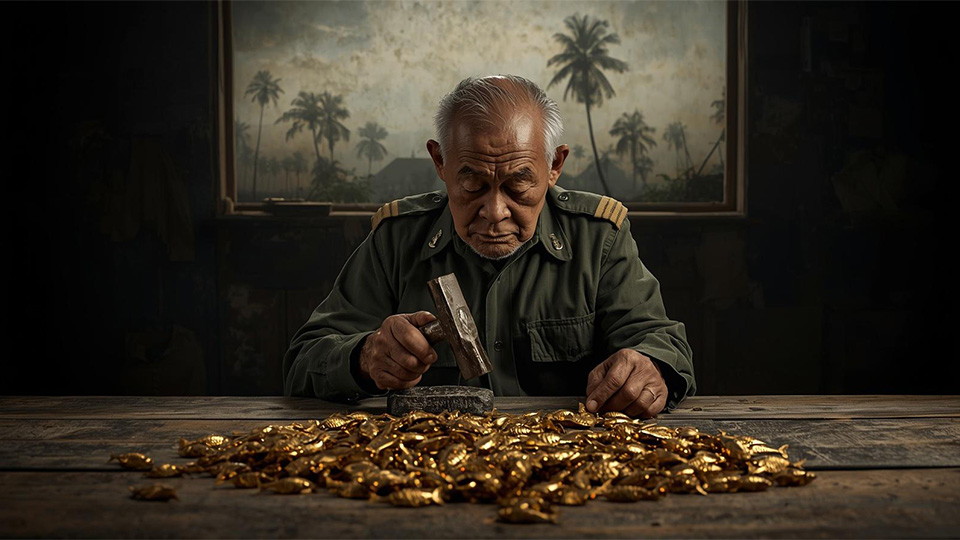
In García Márquez’s One Hundred Years of Solitude, Colonel Aureliano Buendía—who once waged thirty-two failed wars—spends his final years locked in his workshop. Day after day, he crafts tiny gold fish, melts them down, crafts them again, melts them down again. Endless repetition, utterly meaningless, yet it becomes his only anchor.
There are so many people like this in real life. Commute to work, come home, sleep in on weekends—year after year. It’s not that they haven’t thought about changing. It’s that thinking about it already feels pointless. They aren’t without pain; it’s that even the pain has grown too tiresome to act upon.
02丨Emotional Numbness: The Inability to Love
The second sign is emotional numbness.
In Osamu Dazai’s No Longer Human, the protagonist Yozo says, “My unhappiness stems from my inability to refuse.” But in the end, he loses even the ability to feel the cracks. He goes numb to everything—love, pain, life itself. “Society—isn’t it just you?” By the time he realizes this, it’s already too late.
We see people like this in reality. They no longer feel moved by anything. They no longer feel drawn to anyone. A parent’s concern? Nothing. A friend’s warmth? No response. The possibility of love? Why bother. When human emotion dries up, it begins to carry the stench of decay.
In Kafka’s The Metamorphosis, after Gregor Samsa turns into a beetle, his family moves from shock to disgust to complete numbness. When Gregor finally dies, they feel nothing but relief—so much so that they plan a trip to the countryside. The death of emotion is far more terrifying than the death of the body.
03丨Rigid Thinking: Learn? Why Bother
The third sign is rigid thinking.
In Lao She’s Rickshaw Boy, Xiangzi starts as a hopeful young rickshaw puller, determined to earn his own vehicle through sheer effort. But after life beats him down time and again, he changes. “He ate, he drank, he whored, he gambled, he grew lazy, he grew sly—because he had no heart left. Others had taken it from him.” He no longer believes in hard work. No longer believes in change. No longer believes in any new possibility.
So many people today are just like this. Encounter something new, and the first thought is, “This can’t be real.” Encounter a different view, and the first thought is, “You’re attacking me.” Encounter someone’s advice, and the first thought is, “You haven’t walked in my shoes.” They’re not walking alongside the current of the times—they’re being dragged along, feet scraping the ground, too stubborn to lift them.
04丨Premature Exhaustion: Just Lie Down
The fourth sign is premature exhaustion—the total depletion of energy.
There’s a line in Fight Club: “We are the middle children of history, no purpose or place. Our great war is a spiritual war. Our great depression is our lives.”
You know your life shouldn’t be this way. But you have no energy left to change it.
In Maugham’s The Moon and Sixpence, Strickland abandons a respectable job and family to pursue art. He says, “I have to paint. I can’t help myself. When a man falls into the water, it doesn’t matter how he swims, well or badly—he’s got to get out, or he’ll drown.” That is raw, primal life force.
Most people today have lost that force entirely. They know they should switch jobs, but they stay, afraid of risk. They know they should learn something new, but they stay lying down, too tired to start. Without energy as a driver, even the most awake soul will eventually sink into eternal darkness.

How to Avoid the Stench of Death
Three suggestions:
First, keep your vitality alive. Do things that genuinely make you happy, on a regular basis. Travel. Exercise. Learn a new skill. Meet with friends. These aren’t luxuries—they’re how you recharge a life that wants to be lived.
Second, keep your emotions flowing. Don’t lock yourself away. Even if you’ve been hurt, don’t seal yourself shut. Love. Feel. Let yourself be moved.
Third, keep learning and moving. Don’t let yourself stagnate. Learn new things. Consider new perspectives. Try something unfamiliar. Action—even action that fails—is infinitely better than standing still.
The worst thing in life isn’t death. It’s those long stretches of ambition burning bright for a moment, then fading into the slow, steady drift of merely getting by.
So go make a mess of things. Make mistakes. Make memories. Live—like someone who still has a pulse.
“有些人25岁就死了,直到90岁才埋。”
以前觉得这是句玩笑,直到参加了几场老同学聚会,才发现是现实。明明才毕业几年,有些人眼里就已经没了光,浑身散发着一种“活人微死”的气息。他们并没有遭遇什么大的坎坷或磨难,仅仅是习惯了平庸。这种“活人微死”的状态,我称之为身上的“死味”。如果你的生活出现这4种“死味”,请立刻清醒,别让自己烂在舒适区里。
01丨生命力的枯竭:就这样吧
第一种死味,是生命力的枯竭。
不是激烈的痛苦或刺激,而是那种平静的凋谢。
马尔克斯《百年孤独》里的奥雷里亚诺上校,年轻时发动过32场战争,全都失败了。晚年的他把自己关在工作间里,日复一日地制作小金鱼,然后熔化,再制作,再熔化。周而复始,毫无意义,却成了他唯一的寄托。
现实中这样的人很多。每天上班下班,周末宅家补觉,年复一年。不是没想过改变,是想了也觉得没啥意思。他们不是不痛苦,是即便痛苦都懒得改变了。
02丨情感上的麻木:不想爱了
第二种死味,是情感上的麻木。
太宰治《人间失格》里的叶藏说:“我的不幸,恰恰在于我缺乏拒绝的能力。”但到最后,他连感受“裂痕”的能力都失去了。他对一切都麻木了,对爱、对痛、对生活本身。“所谓世人,不就是你吗?”当他意识到这一点时,已经太晚了。
现实中也有这样的人。不会再为任何事感动,不会再为任何人心动。对父母的关心没有感觉,对朋友的热情没有回应,对别人的爱情没有期待。人的情感一旦枯竭,就开始散发腐朽的味道。
卡夫卡《变形记》里,格里高尔变成甲虫后,家人从震惊到厌恶,最后彻底麻木。当格里高尔死去时,他们如释重负,甚至计划去郊游。
情感的死亡,比肉体的死亡更可怕。
03丨思维上的僵化:学习?学个屁
第三种死味,是思维上的僵化。
老舍《骆驼祥子》里,祥子最开始是个充满希望的车夫,他想靠自己的力气拥有一辆属于自己的车。但一次次被生活打击后,他变了。“他吃,他喝,他嫖,他赌,他懒,他狡猾,因为他没了心,他的心被人家摘去了。”他不再相信努力,不再相信改变,不再相信任何新的可能性。
现实中很多人也是这样。遇到新事物,第一反应是“这玩意不靠谱”。遇到新观点,第一反应是“你在反驳我,你不尊重我”。遇到别人的建议,第一反应是“你没经历过”。
不是在跟着时代洪流继续向前,而是被时代的洪流生拉硬拽地走罢了。
04丨能量上的早衰:就地躺平
第四种死味,是能量上的早衰。
电影《搏击俱乐部》里有句台词:“我们是被历史遗忘的一代,没有目的,没有地位。我们的大战只是心灵之战,我们的恐慌只是我们的生活。”明知生活不该如此,却没有能量去改变。
毛姆《月亮与六便士》里的施特里克兰德,放弃了体面的工作和家庭,去追求艺术。他说:“我必须画画,就像溺水的人必须挣扎。”这是一种原始的生命能量。
而现实中大部分人,早就失去了这种能量。明明知道该跳槽,但怕风险,继续耗着。明明知道该学习,但怕累,继续躺着。
没有能量作为驱动,再清醒的灵魂也会堕入永夜。
怎么避免沾上“死味”?
三个建议:
第一,保持生命力:定期做让你开心的事。
旅行、运动、学新技能、和朋友聚会——这些都是在给生命“充电”。
第二,保持情感的流动:别把自己关起来。
哪怕被伤过,也不要彻底封闭自己。去爱、去感受、去体验。
第三,保持学习和行动:别让自己停下来。
学习新知识、接受新观点、尝试新事物。行动起来,哪怕失败,也比原地不动强。
人生最可怕的不是死亡,而是间歇性踌躇满志,持续性混吃等死。
去折腾、去犯错、去经历。
活着,就该有活着的样子。